Lawn
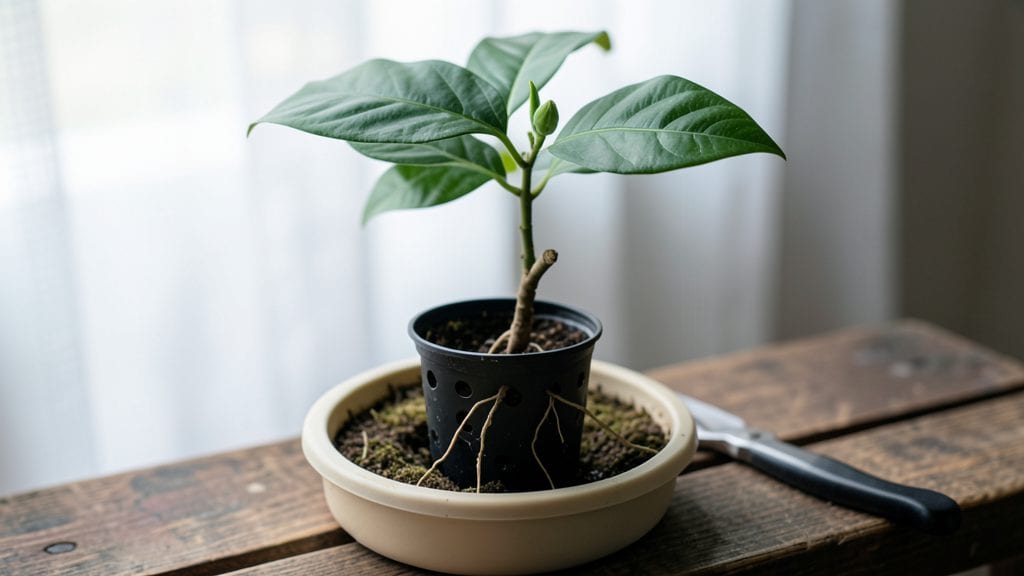
Growing a mango tree from seed starts with the roots—and I’ve cracked the code for fast germination that skips the months of waiting. The secret isn’t complicated: it’s all about mimicking the tropical conditions a mango seed craves before it even cracks open.
That first root is the difference between a thriving seedling and one that gives up after two weeks.
You’ll need just three things: a warm spot (think 70–80°F), a damp paper towel, and patience for about 10–14 days until the root pops. No fancy equipment, no greenhouse—just a clear plastic bag to trap humidity and a little daily check to keep things moist.
Most people rush the process, but slow and steady wins here. The root grows best when it’s not forced.
Once that first root appears—about an inch long—you’ll transplant it into soil and watch it transform into a sturdy sapling. By month three, you’ll have a real tree, not just a seedling.
The payoff? A tree that could bear fruit in 5–7 years if you nurture it right. It’s a long game, but the roots you build now determine everything that follows.
Fair warning: Mango seeds from store-bought fruit often take longer to germinate than heirloom varieties. If you’re impatient, try soaking the seed overnight first—it shaves off a few critical days. The rest is just time, light, and letting nature take its course. Here’s how to get those roots growing fast.
📚 In This Guide
- What you need
- Instructions
- Tips and common mistakes
- Wrapping up and next steps
What you need
- ● 1–3 fresh mango seeds (harvested from ripe, organic mangoes—avoid treated seeds!)
- ● 1 small pot (4–6 inches in diameter) with drainage holes (plastic or terracotta works)
- ● Well-draining potting mix (50% peat moss or coconut coir + 50% perlite or vermiculite)
- ● 1 spray bottle (8–16 oz) for gentle watering
- ● Clear plastic wrap or a humidity dome (to retain moisture)
- ○ 1 heat mat (optional but helpful) for faster germination (set to 75–85°F)
- ● Small knife or scissors (for carefully slicing seeds if needed)
- ● Ruler or measuring tape (to track seed depth and growth)
- ● Grow lights or sunny windowsill (for 6+ hours of indirect light daily)
- ● Fertilizer (balanced 10-10-10 or seaweed extract) for seedlings (after 4–6 weeks)
- ● Patience! Germination can take 2–6 weeks (sometimes longer).
- ● A warm, humid space (like a greenhouse or kitchen windowsill).
- ● Consistency in moisture—never let the soil dry out during germination.
Step-by-Step instructions for growing a mango tree from seed
Here’s how to jumpstart your tropical tree with speed and confidence.
Select and Prepare the Seed
Start with a fresh, plump mango seed—avoid dried or shriveled ones, as they won’t germinate well. Cut the seed out of the fruit with a sharp knife, removing all surrounding flesh. Rinse it under cool water to remove any remaining pulp, then let it dry completely for 24 hours at room temperature.
Once dry, place the seed between two paper towels in a sealed plastic bag. Store it in a warm spot, like near a sunny window or on top of the fridge—75-85°F is ideal. Check daily for moisture; mist lightly if the towels feel dry. Germination can take 2-4 weeks, so patience pays off here.
Plant the Germinated Seed
When the seed sprouts a 1-inch root and a tiny shoot, it’s ready for planting. Fill a 4-inch pot with well-draining potting mix (avoid garden soil—it’s too dense). Dig a hole 1 inch deep and place the seed root-side down, covering it lightly with soil. Press gently to secure without compacting.
Water thoroughly until moisture seeps from the drainage hole, then let excess water drain away. Place the pot in bright, indirect light—direct sun can scorch the delicate sprout. Keep the soil evenly moist but never soggy; stick your finger in the mix to check before watering again.
Provide Optimal Light and Humidity
After 2-3 weeks, your seedling will develop its first true leaves—this is your cue to introduce morning sunlight gradually. Start with 2-3 hours daily, then increase to 6 hours over 10 days. Avoid harsh afternoon sun until the plant is 3-4 inches tall, as it can stress the young stem.
Mango seedlings thrive in 70-85°F and 60-70% humidity. If your home is dry, mist the leaves lightly daily or place a humidity tray nearby. Watch for yellowing leaves—a sign of overwatering or low light. Adjust care immediately if you spot these signs.
Transplant and Encourage Growth
Once the seedling reaches 6-8 inches tall (usually 3-4 months in), it’s time to repot into a 6-inch container with fresh potting mix. Handle the roots gently to avoid damage, and water deeply after transplanting. Place it in partial shade for 1 week to help it recover before moving to full sun.
Fertilize lightly with a balanced, water-soluble fertilizer (5-5-5 ratio) every 4-6 weeks during the growing season. Avoid over-fertilizing—young trees are sensitive to salt buildup. Prune any yellow or damaged leaves to redirect energy to new growth.
Transition to Outdoor Conditions
When temperatures stay above 50°F at night, acclimate your seedling to outdoor life. Start by placing it outside in dappled shade for 2 hours daily, gradually increasing exposure over 2 weeks. After 10 days of full sun tolerance, you can plant it in the ground or a larger container.
Choose a location with well-draining soil and full sun (6+ hours daily). Dig a hole twice as wide as the root ball but no deeper. Water thoroughly after planting to settle the soil. Mulch around the base to retain moisture and protect roots from temperature swings.
Tips & tricks for fast mango seed germination
These simple strategies will help you speed up germination without sacrificing quality—because nobody wants to wait months for their tropical tree to sprout.
Speed Up Germination: The key to faster results lies in maintaining consistent warmth and moisture. Place your sealed plastic bag of seed and paper towels on top of your fridge or near a sunny window where temperatures stay between 75-85°F. I've found that using a small heating pad set to low (around 80°F) can cut germination time by nearly half—just make sure the seed stays moist but not soggy. Check daily for moisture and mist lightly if needed. This warm environment mimics tropical conditions where mango trees naturally grow.
Root Development Check: In Step 2, when you're ready to plant, look for a root that's at least 1 inch long and a tiny shoot emerging from the opposite end. Here's what I've learned: the root should be firm and white, not brown or mushy. If you see brown spots, your seed may have rotted from too much moisture. Plant immediately once you see these signs—delaying planting can stress the delicate root system. The shoot should be about the thickness of a toothpick and slightly curled at the tip.
Light Transition Strategy: During Step 3, when you're gradually increasing sunlight exposure, start with just 2-3 hours of morning sun and place the pot near an east-facing window. This gradual approach prevents sunburn on tender leaves. I've noticed that seedlings exposed to too much direct light too soon often develop yellow patches on their leaves—a clear sign of stress. After establishing this routine, you can safely increase to 6 hours of morning sunlight over 10 days as specified.
Transplant Timing: In Step 4, don't rush the repotting process. Wait until your seedling reaches 6-8 inches tall, which typically takes 3-4 months. I've made the mistake of repotting too early, and the delicate root system gets damaged during the process. When repotting, use a pot that's only 2 inches larger in diameter than the current one—this prevents soil from staying too wet around the roots, which can lead to rot. Water thoroughly after transplanting to help settle the soil around the roots.
Pro Tips for Mango Seed Root
- These simple strategies will help you speed up germination without sacrificing quality—because nobody wants to wait months for their tropical tree to sprout.
- Speed Up Germination: The key to faster results lies in maintaining consistent warmth and moisture.
- Root Development Check: In Step 2, when you're ready to plant, look for a root that's at least 1 inch long and a tiny shoot emerging from the opposite end.
Frequently asked questions
Got questions about growing mango seed roots? You’re not alone! Here are answers to the most common queries to help you succeed with your tropical tree adventure.
How long does it take for a mango seed to sprout?
A mango seed typically sprouts within 2–4 weeks when planted correctly. Keep the soil moist (not soggy) and warm—ideally between 70–90°F (21–32°C). Patience is key! If nothing happens after 6 weeks, check for rot or replant.
Can I grow a mango tree from a store-bought mango seed?
Yes! Store-bought mango seeds work, but grafting is needed for fruit-bearing trees. The seedling will grow into a tree, but it may take 5–10 years to produce fruit—and it might not match the parent mango’s flavor. Fun fact: Some varieties (like ‘Keitt’ or ‘Haden’) are better for seed propagation!
Why is my mango seed root rotting?
Overwatering or poor drainage are the top culprits. Use a well-draining mix (like perlite + coconut coir) and let the top inch of soil dry between waterings. If mold appears, reduce moisture and ensure the seed isn’t buried too deep (just 1–2 inches below soil level).
What’s the best alternative if my seed won’t sprout?
Try these troubleshooting steps:
- Soak the seed in warm water for 24 hours before planting.
- Use a heat mat (75–85°F) to speed germination.
- Plant in sterile potting mix to avoid fungal issues.
- If all else fails, buy a grafted mango sapling from a nursery for guaranteed fruit!
Do mango seed roots need a greenhouse or can they grow outside?
Start indoors in a warm, humid environment (like a greenhouse or sunny windowsill) for the first 3–6 months. Once the seedling is 1–2 feet tall, transplant it outside in USDA Zones 10–11. In colder climates, grow it in a pot and bring it inside during winter. Frost? Sayonara, mango!
Wrapping up and next steps
Growing a mango seed root is a rewarding journey that connects you to nature’s tropical bounty! With the right patience, care, and a few fast germination secrets, you can nurture a thriving mango tree from scratch.
Whether you’re drawn to its lush foliage or the promise of sweet fruit, every step—from soaking seeds to transplanting—brings you closer to success.
Ready to take the next step? Grab your supplies, follow your green thumb’s guidance, and watch your mango seedling grow into a stunning addition to your garden. 🌱✨ Happy planting!