
Trees
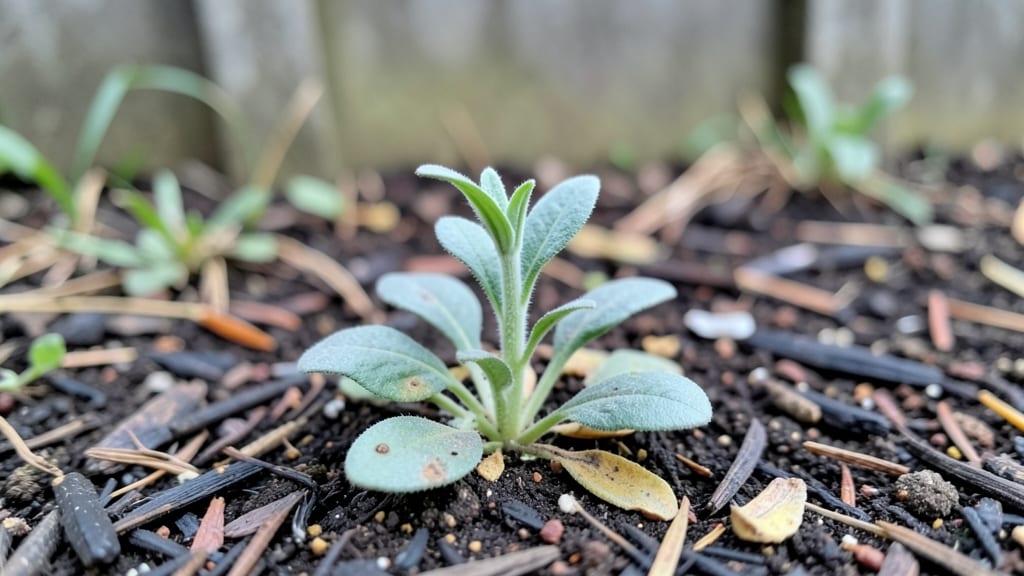
Mastering calendula seedling identification early means the difference between a thriving garden and a missed opportunity. 🌱 Those first tiny leaves look like nothing more than fuzzy green specks, but their shape and color hold all the clues you need to spot them before weeds do.
I’ve spent years watching seedlings emerge—and I’ve lost track of how many times I nearly pulled out calendula by accident, mistaking them for dandelions or chickweed.
The key is their round, slightly lobed leaves that grow in a rosette pattern, often with a soft yellow-green hue when young. True calendula seedlings also develop a slightly hairy texture that makes them stand out against smooth weeds.
If you’re still unsure, wait a few days—they’ll grow faster than most weeds and develop a thicker stem. My rule of thumb? If it’s growing in a straight line and not sprawling, it’s likely calendula.
Once you’ve spotted them, give those seedlings bright light and consistent moisture—they’ll reward you with vibrant orange or yellow blooms by midsummer. The first true leaves are your best friend here; they’re the only time you’ll see that distinct shape before the plant matures.
I’ve even marked my seedling trays with toothpicks to avoid confusion, especially in crowded flats.
Troubleshooting is simple: if your seedlings look leggy or pale, they need more light. If they’re slow to grow, check the soil moisture—calendula hates soggy roots but won’t tolerate drought either.
With these clues, you’ll never mistake a calendula for a weed again, and your garden will thank you with bold, cheerful blooms all season.
Mistakes That Confuse Calendula Seedlings
Identifying young calendula seedlings can be tricky, especially when they’re just sprouting. Misidentification often happens due to a mix of environmental factors, human error, or simply not knowing what to look for.
Below, we break down the most common reasons why gardeners struggle to spot these delicate seedlings—and how to avoid falling into the same traps.
Calendula seedlings are delicate and slow to emerge, often blending into soil or competing with weeds. Their first true leaves are round, lobed, and slightly fuzzy, but these features can be hard to spot if:
- They’re buried under mulch or soil: Calendula seeds germinate just ¼ inch deep, but heavy mulching or uneven soil can push them deeper, delaying emergence.
- Weeds outcompete them: Fast-growing weeds like crabgrass or chickweed can smother seedlings before they develop recognizable leaves.
- Light conditions are poor: Seedlings need bright, indirect light to develop vibrant colors. Shady spots cause pale, weak growth that’s easy to miss.
💡 Pro Tip: Use a fine mist spray bottle to keep soil moist (not soggy) and check for seedlings daily after planting. A small hand trowel can gently lift soil to reveal hidden sprouts.
Calendula seedlings can resemble other young plants, especially in the cotyledon stage (the first two leaves). Common look-alikes include:
| Plant | Seedling Traits | How to Tell Them Apart |
|---|---|---|
| Marigold (Tagetes) | First leaves are lance-shaped, smooth, and dark green. | Calendula’s round, lobed leaves appear fuzzy; marigold leaves are hairless. |
| Sunflower (Helianthus) | Cotyledons are heart-shaped and glossy. | Sunflower seedlings grow much faster and develop serrated edges early on. |
| Dandelion (Taraxacum) | First leaves are toothed and elongated. | Dandelion seedlings have no fuzzy texture and grow in dense rosettes. |
✨ Key Clue: Calendula’s true leaves (after cotyledons) have a distinctive "ruffled" or slightly serrated edge—this is your best ID marker.
Stress from temperature, moisture, or disease can alter a seedling’s appearance, making identification harder. Watch for these red flags:
- Yellowing or wilting: Overwatering or cold soil (below 50°F) causes seedlings to turn yellow or droop before developing proper leaves.
- Black or mushy stems: Fungal diseases (like damping-off) rot stems at the soil line, killing seedlings before they’re identifiable.
- Stunted growth: Nutrient deficiencies (especially nitrogen) result in small, pale leaves that mimic weak seedlings.
🌡️ Prevention Tip: Sow seeds in warm soil (60–70°F) and use sterilized potting mix to reduce disease risk. If seedlings look sick, thin them immediately to improve air circulation.
By understanding these common pitfalls, you’ll be better equipped to spot calendula seedlings early and give them the care they need to thrive. Next, we’ll dive into how to confirm your ID using leaf shape and color as your guide!
Quick Fixes for Seedling Confusion
Identifying calendula seedlings can be tricky, especially when they resemble other plants like marigolds or young weeds. But don’t stress—these practical solutions will help you spot them correctly and keep your garden thriving.
If your young sprouts resemble marigolds or other flowers, compare leaf shapes and growth patterns first. Calendula seedlings have lance-shaped, slightly fuzzy leaves with a distinct yellow-green hue, while marigolds tend to have smoother, deeper green leaves with a more rounded shape.
To confirm: - 🔍 Pull a seedling gently—calendula roots are tapered and delicate, while weeds often have thicker, fibrous roots. - 🌞 Observe sunlight exposure—calendula thrives in full sun and may lean toward light if crowded. Weeds often grow low to the ground to avoid competition.
Prevention Tip: 💡 Label your trays with the planting date and variety to avoid mix-ups later.
If your seedlings are small, leggy, or failing to thrive, they may need more space or proper care. Calendula seedlings prefer indirect light at first but will bolt (flower too early) if stressed.
Here’s how to fix it: - 🌿 Thin seedlings to 2–3 inches apart to reduce competition for nutrients. - ⏰ Adjust watering—overwatering causes mushy stems, while underwatering leads to yellowing leaves.
Keep soil moist but not soggy. - 🌞 Gradually introduce sunlight—start with 4–6 hours of morning sun, then increase to full sun over a week.
Prevention Tip: 🌡️ Use a heat mat (70–75°F) for faster, sturdier growth in cooler climates.
If your seedlings have chewed leaves, spots, or wilting, pests or fungal issues may be at fault.
Common culprits include: - 🐜 Aphids or spider mites (tiny webs, curled leaves) → Spray with neem oil or rinse with soapy water. - 🍄 Powdery mildew (white dust on leaves) → Improve airflow and reduce humidity with a fan. - 🐛 Cutworms (missing stems at soil level) → Apply diatomaceous earth or use collars around stems.
Prevention Tip: ✨ Inspect seedlings daily and remove affected leaves immediately to stop spread.
To avoid confusion next season, document your garden layout:
- Take photos of healthy seedlings at each growth stage.
- Note soil conditions (pH, moisture) that worked best.
- Track sunlight exposure in different garden spots.
Pro Tip: 🎯 Use a simple chart like this to compare growth:
| Issue | Quick Fix | Prevention |
|---|---|---|
| Wrong plant ID | Check leaf shape & roots | Label seedlings clearly |
| Leggy growth | Thin & add sunlight | Start with indirect light |
| Pest damage | Neem oil or soapy spray | Inspect plants weekly |
| Fungal spots | Improve airflow | Space plants properly |
With these fixes, you’ll spot calendula seedlings like a pro and keep your garden healthy and vibrant! 🌼💚
Frequently asked questions
What do calendula seedlings look like in their earliest stages?
New calendula seedlings start with tiny, fuzzy cotyledons (first leaves) that are rounded and pale yellow-green. Once the true leaves appear, they'll be lobed, slightly serrated, and hairy—unlike smooth weed leaves. These grow in a low rosette pattern close to the soil.
How can I tell if my seedlings are calendula vs. weeds?
Check for three key traits: hairy texture, ruffled leaf edges, and straight upward growth. Weeds often sprawl outward with smooth, simple leaves. Gently pull one—calendula roots are delicate while weeds have thicker, fibrous roots. If it's still unclear, wait 3-4 days; calendula grows faster than most weeds.
Why are my calendula seedlings turning yellow?
Yellowing usually means overwatering or cold soil (below 50°F). Keep soil consistently moist but never soggy—calendula hates wet feet. If the yellowing is just on older leaves, it's normal as new growth appears. For new leaves turning yellow, check for nutrient deficiency (try a balanced fertilizer) or pests like aphids.
Can I transplant calendula seedlings too soon?
Yes! Calendula seedlings develop shallow but delicate roots, so wait until they have 4-6 true leaves and are at least 2 inches tall before transplanting. Harden them off for 5-7 days by placing them outside in shade for increasing durations. Transplant on a cloudy day or in late afternoon to reduce stress.
What's the best way to prevent seedling mix-ups in crowded trays?
Use toothpicks or labeled tags to mark rows when sowing. Calendula seeds are tiny—sow them ¼ inch deep and keep trays in bright, indirect light until germination. Thin seedlings to 2 inches apart once true leaves appear. For extra protection, cover trays with floating row covers to deter pests while they're vulnerable.