
Trees
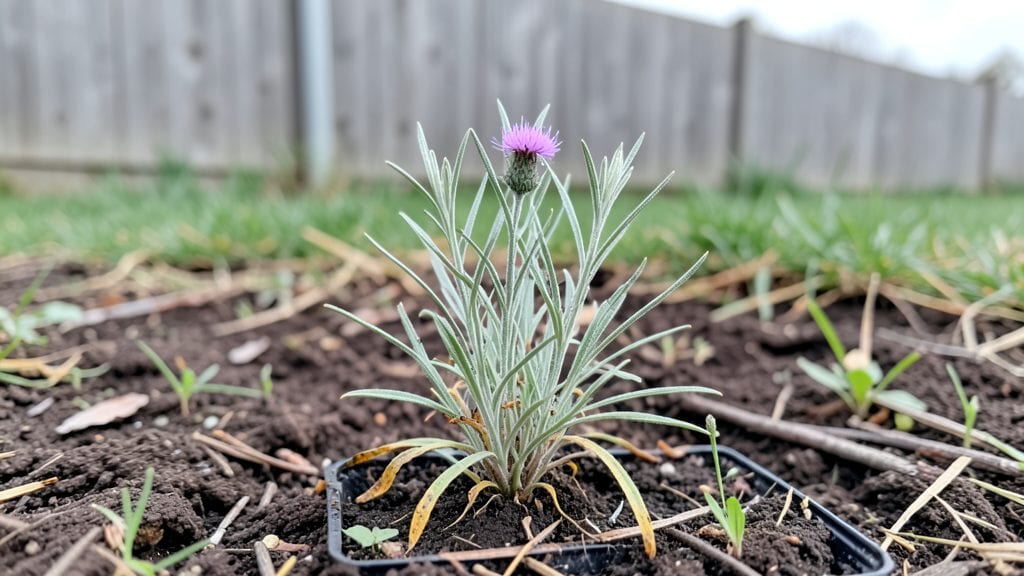
Mastering liatris seedling identification starts with spotting those narrow, grass-like leaves and the way they grow in tight clusters—otherwise, they’ll vanish into the garden like weeds. 🌱 I’ve stared at dozens of seedlings trying to spot the difference, and once you learn... these key traits, you’ll never confuse them with wild oats or young grasses again.
The real giveaway is the leaf shape: liatris seedlings have sword-shaped blades that feel slightly fuzzy, while similar plants often have smooth, flat leaves. Look for the purple-tinged stems when they’re stressed—this is a dead giveaway.
Early on, they grow in a rosette pattern, hugging the soil before shooting upward.
Mistaking them for other plants happens all the time, but once you’ve seen a few, you’ll notice how liatris seedlings stay low and compact until they’re ready to bolt. Compare them side by side with wild onions or young sedges—the differences become obvious.
I keep a small notebook with sketches of the key traits to reference when I’m unsure.
If you’re still guessing, snap a photo and compare it to verified images from local botanical gardens or university extension guides. The more you observe, the easier it gets—trust your eyes, and soon you’ll spot them instantly in your garden beds or wildflower patches.
Root Causes of Misidentification
Identifying young liatris seedlings can be tricky, especially when they resemble other plants in the wild. Understanding the underlying reasons helps gardeners and botanists spot the key differences. Below are the most common causes—and why they lead to confusion.
Liatris seedlings often start with broad, grass-like leaves that can easily be mistaken for other wildflowers or grasses. During their first few weeks, their true characteristics—like the distinctive purple flower buds—haven’t yet developed.
This early resemblance to plants like blue-eyed grass (Sisyrinchium) or wild onion (Allium) makes identification challenging.
Why it happens:
- Lack of mature traits: Young liatris seedlings prioritize root and leaf development before flowering, delaying their signature traits.
- Environmental stress: Poor soil or competition from weeds can stunt growth further, making them look even less like adult liatris.
- Seasonal timing: If planted late in the season, seedlings may not develop enough to show their unique features before winter.
Actionable tip: 💡 Wait until seedlings reach 3–4 inches tall before attempting identification—this is when their rosette pattern and upright growth habit become more noticeable.
Several plants share liatris’ early growth habits, leading to frequent mix-ups.
For example: - Grasses (Poaceae) – Their narrow, blade-like leaves mimic liatris’ juvenile form. - Other purple bloomers like coneflowers (Echinacea) or aster (Symphyotrichum) may have overlapping leaf structures. - Weedy invaders such as dandelions (Taraxacum) or plantain (Plantago) can crowd out seedlings, making them harder to distinguish.
Why it happens:
- Convergent evolution: Many wildflowers evolved similar early-stage foliage to thrive in the same ecosystems (prairies, meadows, and open woodlands).
- Pollinator attraction: Purple-hued flowers often share visual cues to attract bees and butterflies, creating a "purple flower syndrome" in identification.
- Hybridization risks: Some liatris species can crossbreed with related genera like solidago (Goldenrod), producing seedlings with blended traits.
Actionable tip: ✨ Compare leaf arrangement—liatris seedlings typically grow in a basal rosette (low to the ground), while grasses have alternate or clustered blades.
Soil quality, sunlight exposure, and water availability drastically alter how liatris seedlings appear. Stress from these conditions can stunt growth or alter leaf shape, making them harder to recognize.
Why it happens:
- Poor drainage: Liatris prefers well-draining soil. In soggy conditions, seedlings may develop yellowing leaves or stunted stems, mimicking disease or nutrient deficiency.
- Shade competition: If planted under trees or dense shrubs, seedlings stretch toward light (etiolation), resulting in long, weak stems that look nothing like mature liatris.
- Nutrient deficiencies: Lack of phosphorus or nitrogen can cause purple-tinged leaves, a trait also seen in stressed wild bergamot (Monarda) seedlings.
Actionable tip: 🌡️ Monitor soil moisture—liatris seedlings thrive in moderately moist but well-drained conditions. Avoid overwatering, which can drown roots and distort growth.
Even experienced gardeners can misidentify liatris seedlings due to:
- Focusing on flowers instead of foliage: Many assume they need blooms to confirm ID, but seedlings may not flower for 1–2 years.
- Ignoring root structure: Liatris has a fibrous, deep-rooted system, but beginners often overlook this when pulling weeds.
- Seasonal blindness: Comparing seedlings to mature plants (which have thick, spiky flower stalks) is like comparing a toddler to an adult—proportions are entirely different.
Why it happens:
- Cognitive bias: The brain fills gaps with familiar patterns (e.g., assuming all purple-stemmed plants are liatris).
- Lack of reference material: Without side-by-side comparisons, distinguishing liatris from Joe-Pye weed (Eutrochium) or ironweed (Vernonia) becomes guesswork.
- Urban vs. native habitats: City gardeners may not recognize regional liatris species (e.g., Liatris spicata vs. Liatris pycnostachya), leading to confusion with non-native lookalikes.
Actionable tip: 📊 Keep a seedling journal with photos of leaf shapes, growth rates, and soil conditions—this builds a visual database for future IDs.
Quick Fixes for Seedling Confusion
Now that you understand the common reasons behind misidentifying liatris seedlings, let’s tackle practical solutions with clear steps to ensure you spot and nurture them correctly. Whether you’re dealing with overlapping traits, poor lighting, or overcrowding, these fixes will help you confidently distinguish young liatris plants from lookalikes.
Problem: Liatris seedlings can resemble other wildflowers or grasses, especially in early stages.
Fix It: 🌱 Step 1: Examine Leaf Arrangement
- Liatris seedlings typically have alternate, narrow leaves (not whorled like some grasses).
- Hold the seedling close to your face—if the leaves spiral upward in a single plane, it’s likely liatris.
🌱 Step 2: Check for Early Flower Buds
- Even young seedlings may show tiny purple or pink buds at the top.
- Use a magnifying glass if needed—this is the fastest way to confirm identity.
🌱 Step 3: Compare with Known Samples
- Keep a reference photo or pressed leaf of a mature liatris plant nearby.
- Place the seedling next to it to spot similarities in shape, texture, and vein pattern.
💡 Prevention Tip: Grow liatris in isolated beds or mark seedlings with small flags (use biodegradable sticks) to track their progress without confusion.
Problem: Shady or dim conditions can distort colors and shapes, making seedlings harder to recognize.
Fix It: 💡 Step 1: Move Seedlings to Bright, Indirect Light
- Place trays or pots near a south-facing window or under a grow light for 10–12 hours daily.
- Avoid direct sunlight, which can scorch tender seedlings.
💡 Step 2: Use a Hand Lens for Closer Inspection
- A 10x magnifier reveals subtle details like hairy stems or distinct leaf edges that distinguish liatris.
- Look for downy fuzz on stems—this is a hallmark of young liatris.
💡 Step 3: Take Midday Photos for Comparison
- Snap pictures at peak sunlight hours (11 AM–2 PM) when colors are most vibrant.
- Compare images over days to track growth patterns.
🌡️ Prevention Tip: If growing outdoors, choose a partially shaded spot (30–50% sunlight) to reduce stress while still allowing clear identification.
Problem: Dense plantings or weeds can obscure liatris seedlings, making them hard to spot.
Fix It: 🌱 Step 1: Thin Seedlings Gently
- Use tweezers or a small knife to carefully separate seedlings, leaving the healthiest ones.
- Replant in well-spaced rows (6–12 inches apart) to prevent future crowding.
🌱 Step 2: Mulch to Suppress Weeds
- Apply a light layer of straw or shredded leaves (1–2 inches) to block weed competition.
- Avoid thick mulch, which can smother seedlings.
🌱 Step 3: Use a Grading Rake for Large Areas
- For garden beds, run a fine-tooth rake over the soil to expose hidden seedlings.
- Look for purple-tinged stems or upright growth—these are liatris giveaways.
✨ Prevention Tip: Sow liatris seeds in dedicated trays before transplanting to control spacing and reduce weed interference.
Problem: You’re confident in early stages but worried about long-term identification.
Fix It: 📸 Step 1: Document Growth Stages
- Take weekly photos of seedlings, labeling each with the date.
- Note changes in leaf width, stem thickness, and bud formation.
📸 Step 2: Consult a Field Guide or App
- Use apps like iNaturalist or PlantNet to upload photos for AI-assisted identification.
- Cross-reference with local wildflower guides for regional liatris varieties.
📸 Step 3: Transplant a Few Seedlings for Observation
- Move 2–3 seedlings to a controlled pot and watch as they mature.
- Compare their flower spikes (liatris produces dense, bottlebrush-like blooms).
🎯 Prevention Tip: If possible, grow liatris from cuttings of confirmed mature plants to ensure accuracy in future seedlings.
By applying these targeted fixes, you’ll minimize misidentification and give your liatris seedlings the best chance to thrive. The key is patience and attention to detail—once you train your eye, spotting young liatris becomes second nature!
Frequently asked questions
How do I tell if a tiny seedling is liatris and not just a weed?
Look for narrow, sword-shaped leaves growing in a basal rosette close to the ground. Liatris seedlings have a slightly fuzzy texture and purple-tinged stems when stressed. Unlike grasses, their leaves spiral upward in a single plane rather than growing in clusters.
Why do my liatris seedlings look more like grass than flowers?
Young liatris prioritize root and leaf growth before flowering, which can take 1-2 years. Their early grass-like appearance is normal—focus on the leaf arrangement and stem texture rather than expecting blooms. Compare with a reference photo of mature liatris to spot similarities.
What’s the best way to confirm liatris seedlings in a crowded garden bed?
Use a fine-tooth rake to gently expose seedlings, then check for upright growth and purple stems. Thin seedlings carefully with tweezers, leaving only the healthiest ones spaced 6-12 inches apart. If unsure, transplant a few to a pot for closer observation.
Can I use an app to identify my liatris seedlings?
Yes! Apps like iNaturalist or PlantNet let you upload photos for AI-assisted identification. For best results, include close-ups of leaf shape, stem texture, and any visible buds. Cross-check with local wildflower guides for regional liatris varieties.
Will liatris seedlings survive if I accidentally pull them as weeds?
Possibly, but it’s risky. Liatris has a fibrous root system, so if you pull too hard, you may damage the roots. Instead, use a small knife or tweezers to carefully separate them. If you’ve already pulled some, check for purple stems or rosette growth—these are signs they might recover.