Featured
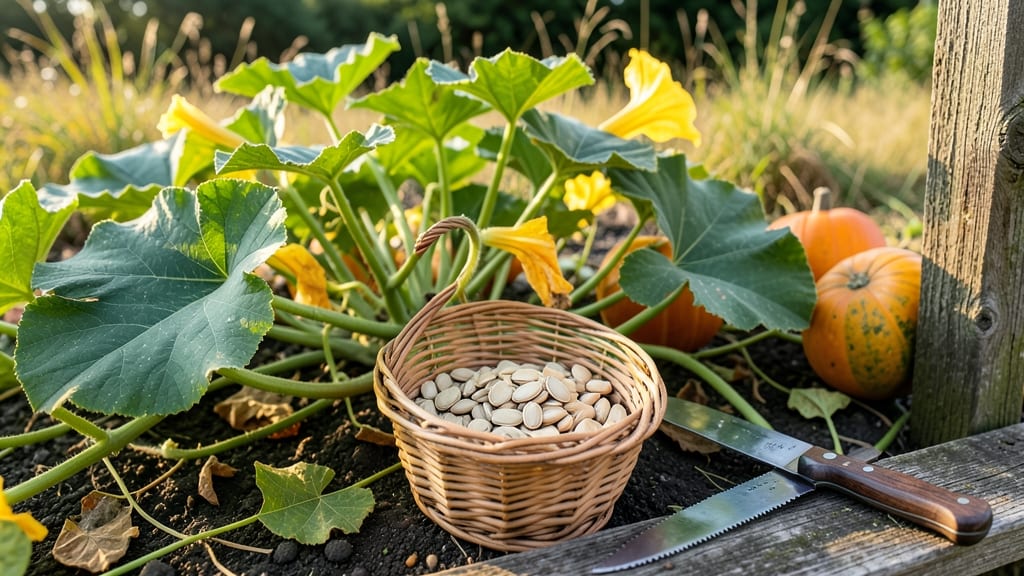
Chickens can eat pumpkin seeds with shells in moderation, as the shells contain fiber and nutrients, but avoid feeding large quantities due to potential choking hazards or digestive upset from high fat content. Always ensure seeds are pesticide-free and unsalted.
Pumpkin seeds with shells offer chickens a natural source of fiber and essential minerals like magnesium and zinc, which support their immune systems and feather health. 🌱 However, the shells' hardness can pose risks if chickens try to swallow them whole, especially for younger birds.
I always recommend crushing a few seeds first to demonstrate safe eating habits—this helps prevent choking while still providing the nutritional benefits. The key is balance: a small handful per bird weekly keeps their diet enriched without overloading their systems.
For extra safety, roast seeds lightly to reduce fat content and enhance digestibility. Store them in an airtight container away from moisture to preserve freshness. If you notice your flock pecking at seeds aggressively, it's time to scale back—overfeeding can lead to weight gain or digestive issues.
Always opt for organic, unsalted seeds to avoid harmful additives that could stress their kidneys.
💡 In This Article
- Nutritional Value of Pumpkin Seeds for Chickens
- Safe Ways to Feed Pumpkin Seeds to Chickens
Nutritional value of pumpkin seeds for chickens
Pumpkin seeds are a powerhouse of nutrients for chickens, packed with 19 grams of protein per 100 grams—about 25% of a chicken's daily protein needs in just 1 tablespoon.
The shells contribute fiber (10-15% of dry weight), which aids digestion by promoting gut motility, similar to how chia seeds work in human diets.
But here's what's actually happening: the hard outer shell acts like a natural "scrubber" for their digestive tract, helping break down tougher feed particles while the soft inner seed provides easily digestible fats and oils.
The real stars for chicken health are the minerals: pumpkin seeds contain 160mg of magnesium per 100g (critical for muscle function and egg production) and 6.6mg of zinc per 100g (essential for immune response and feather quality).
For comparison, that's 3x more magnesium than sunflower seeds and 2x more zinc than flaxseeds—two other common chicken treats. The zinc-magnesium combo helps prevent leg weakness and brittle feathers, which is why free-range chickens often have glossier plumage when these seeds are part of their diet.
However, the fat content is where moderation becomes critical. Raw pumpkin seeds contain about 44% fat by weight, which is nearly double that of chicken feed (20-25% fat).
Excess fat can lead to obesity or fatty liver syndrome in chickens, especially in breeds prone to weight gain like Orpingtons. The shells help mitigate this slightly by slowing consumption, but crushing them removes this natural barrier.
Think of it like eating whole almonds versus almond butter—one is safer than the other due to the physical barrier.
When comparing to other safe seed options, pumpkin seeds outshine most in mineral density but lag behind sunflower seeds in calorie content (554 kcal per 100g vs sunflower's 600 kcal). The key advantage is their lower phytic acid content (anti-nutrient that binds minerals), making their minerals more bioavailable.
For example, a chicken can extract 70% of the zinc from pumpkin seeds compared to only 40% from wheat bran—a common feed additive. This makes pumpkin seeds one of the most efficient mineral supplements for backyard flocks.
What most people don't realize is how the seed's natural oils interact with chicken metabolism. The linoleic acid in pumpkin seeds (about 30% of total fat) supports skin health, but it also increases metabolic rate when consumed in moderation—almost like a natural "thermogenic" effect.
This is why chickens often become more active after eating them, though this benefit disappears if fed in excess, as the body shifts from using fat for energy to storing it.
For visual learners, imagine this: a 1-ounce handful of pumpkin seeds (about 28 grams) provides roughly 10% of a chicken's daily mineral needs while adding 15% of their protein requirements.
That's a significant boost without overwhelming their system—if fed correctly. The challenge lies in balancing this nutritional goldmine with the physical risks of the shells and the metabolic impact of fats.