
Featured
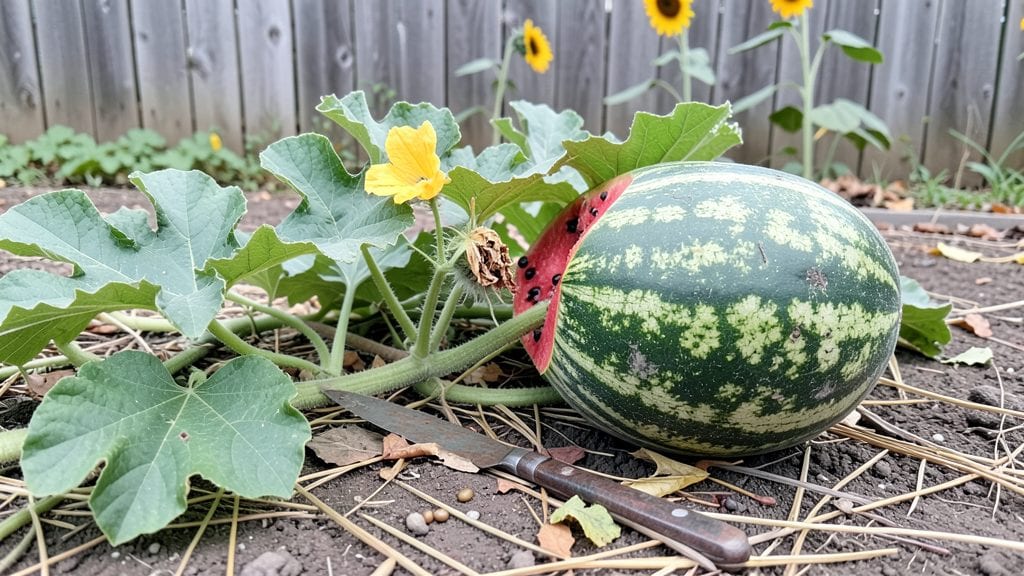
Chickens can eat watermelon with seeds in moderation, as the seeds are safe and nutritious but should be fed whole to avoid choking hazards. Remove rind and excess moisture to prevent waste and bacterial growth, while limiting treats to 10% of their diet.
Watermelon seeds offer chickens a protein boost and healthy fats, but the real star is the flesh—packed with hydration and vitamins A and C. 🌟 The key is preparation: cut watermelon into bite-sized chunks (seeds included) to prevent mess and waste.
I’ve found that chickens go wild for this treat, especially during summer heat, but always supervise to avoid overfeeding. The rind? Toss it—they can’t digest it, and it attracts pests.
Here’s a pro tip: freeze watermelon chunks overnight for a refreshing summer snack that stays fresh longer. Just remember, treats should never replace their balanced diet of scratch grains and protein sources. Too much fruit can lead to loose stools or obesity in flocks.
💡 In This Article
- Watermelon Seed Safety for Chickens: Nutritional Value and Risks
- How to Serve Watermelon to Chickens Without Waste
Watermelon seed safety for chickens: nutritional value and risks
Watermelon seeds are more than just a byproduct—they pack a nutritional punch for chickens! Each seed contains about 10-15% healthy fats, including omega-6 fatty acids that support feather health and skin condition.
They're also rich in magnesium (25% DV per tablespoon) and zinc (12% DV), minerals that boost immune function and egg production.
The protein content sits around 10-12 grams per 100 grams, making them a better protein source than the watermelon flesh itself (which has just 0.6 grams per 100 grams). 🔥
Here's what's actually happening in their digestive system: Chickens have a gizzard that can grind seeds into a fine powder, but only if they're whole and properly chewed.
The key factor is seed size—watermelon seeds are about 0.5-1 cm long, which is manageable for adult chickens but dangerous for chicks. The outer seed coat contains trypsin inhibitors (anti-nutrients), but chickens' digestive systems can handle small quantities without issue, similar to how they process sunflower seeds.
What most people don't realize is that these inhibitors break down during the cooking process, but since we're feeding raw seeds, moderation is crucial.
Let's compare the nutritional profiles to understand why seeds are valuable but not essential. Watermelon flesh provides 92% water content and vitamin C (21% DV), which supports hydration and immune health—critical for chickens in hot climates.
However, the seeds offer what the flesh lacks: healthy fats and minerals that support metabolic functions. The rind, on the other hand, contains citrulline (an amino acid) but is indigestible and can cause impaction if eaten in large quantities.
This is why I always recommend removing the rind entirely while keeping the seeds intact.
The biggest risk isn't toxicity but physical hazards. Chickens can choke on seeds if they're not properly chewed or if multiple seeds get lodged in their throat. I've seen this happen with chicks trying to swallow whole seeds without chewing—always supervise young birds.
Another concern is the phytic acid content in seeds, which can bind minerals and reduce absorption if fed in excess. However, chickens' efficient digestive systems handle small amounts well, especially when balanced with their regular diet of 20-25% protein from sources like mealworms or layer feed.
What most backyard chicken keepers overlook is the seed-to-flesh ratio. A typical 10-pound watermelon contains about 100-150 seeds, while the flesh provides 90% of the volume. This means you're giving your flock a hydrating treat with minimal nutritional trade-offs.
The seeds become the perfect bonus—like adding a sprinkle of nutritional insurance to their diet. For a 6-pound chicken, I recommend limiting seed treats to about 5-10 seeds per day, spread across their regular feedings.
Here's a quick myth-busting comparison to set the record straight:
- Myth: "Watermelon seeds are toxic to chickens." Reality: They're safe in moderation—chickens have been eating seeds for centuries in their natural diet of insects and plants.
- Myth: "Seeds cause digestive upset." Reality: Only if fed in excess or if chickens don't chew properly. The gizzard handles them just fine when whole.
- Myth: "The rind is safe to feed." Reality: It's indigestible and can cause impaction—always remove it before serving.
For those wondering about the black seeds (the darker variety), they're actually the same nutritionally but contain slightly more antioxidants. The color difference comes from higher levels of anthocyanins, which have been shown to support cellular health in studies on poultry.
So if you have both types, don't worry—your chickens will get the benefits either way! 💫