Featured
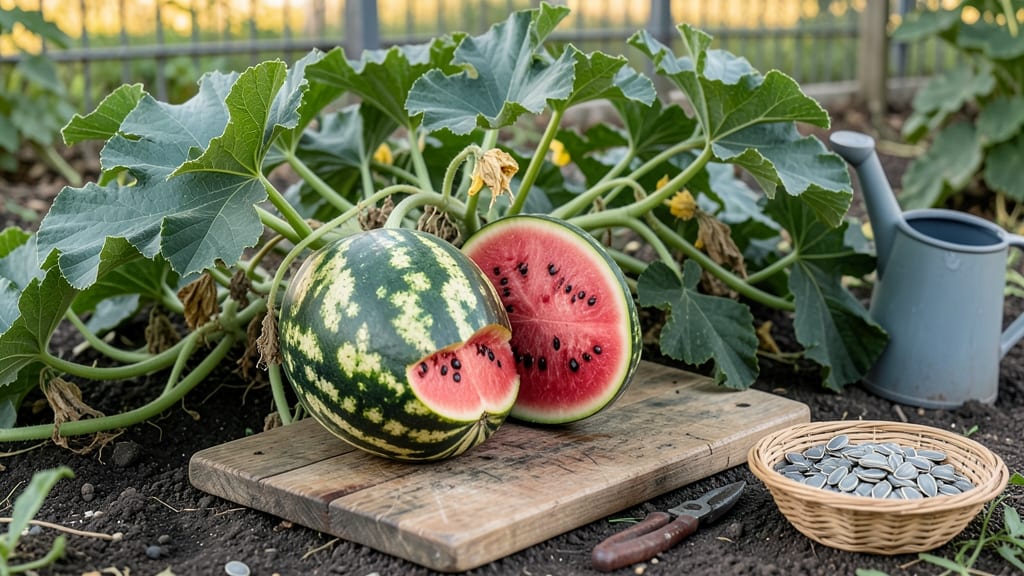
Watermelon seeds are safe for birds to eat in moderation, offering fiber and nutrients without toxicity, but avoid salted or seasoned seeds. Always serve them fresh in small amounts to prevent choking or digestive problems.
Watermelon seeds pack a nutritional punch for birds, especially when offered raw and unsalted. 🌱 They're rich in healthy fats and magnesium, which support feather health and energy levels, but their small size means tiny birds like finches should only get a few at a time.
I've noticed robins and sparrows love them scattered on the ground—just avoid the rind if it's been treated with pesticides, as those chemicals can be harmful. The key is balance: while seeds provide benefits, they shouldn't replace a bird's natural diet of insects or commercial birdseed blends.
For backyard birders, the best approach is to offer seeds as an occasional treat rather than a staple. 💫 Spread a small handful (about 1-2 teaspoons) on a flat surface where birds can easily access them, and always remove any uneaten seeds after a few hours to prevent spoilage.
Ducks and geese can handle larger quantities, but smaller songbirds need careful portion control—think of it as their version of a snack pack rather than a meal.
💡 In This Article
- Nutritional Value of Watermelon Seeds for Birds
- Safe Ways to Feed Watermelon Seeds to Backyard Birds
Nutritional value of watermelon seeds for birds
Watermelon seeds are a natural powerhouse for birds, containing approximately 45% healthy fats by weight, which provide concentrated energy similar to what birds get from insects.
The seeds also contain 20% protein and are rich in magnesium (about 156mg per 100g), a mineral crucial for muscle function and nerve signaling in birds. This makes them particularly beneficial for species like sparrows and finches that need quick energy bursts during migration or cold weather. 🌟
The fiber content in watermelon seeds—around 1.5g per tablespoon—supports healthy digestion, helping birds maintain proper gut motility. This is especially important for seed-eating birds whose diets can sometimes lack roughage.
Compared to sunflower seeds (which contain 21% fat but less magnesium), watermelon seeds offer a more balanced nutritional profile for avian diets. However, the hard outer shell means they should only be fed to birds with strong beaks capable of cracking them open.
For small birds like chickadees, the risks outweigh the benefits—these seeds can pose a choking hazard due to their size and shape. The ideal bird size for safe consumption is about 5 inches or larger, including species like robins, cardinals, and ducks.
What most people don't realize is that the seed's moisture content (around 10%) means they can spoil quickly when left outside, potentially causing digestive upset if consumed after sitting in damp conditions for more than 24 hours.
When comparing to other bird-safe seeds, pumpkin seeds stand out for their higher zinc content (6.8mg per 100g vs. watermelon's 1.2mg), which supports immune function. However, watermelon seeds win in magnesium content, making them particularly valuable for birds with active lifestyles.
The key factor is portion control—while watermelon seeds are nutritious, they should never make up more than 10% of a bird's daily diet, with the rest coming from insects, fruits, or commercial birdseed blends.
Here's what's actually happening in a bird's digestive system when they consume watermelon seeds: The hard shell is cracked by the bird's beak, exposing the nutritious inner kernel. The bird's gizzard then grinds the seed into a fine paste, where digestive enzymes break down the fats and proteins.
The magnesium is absorbed in the small intestine, supporting cellular functions throughout the body. This process works beautifully for larger birds but becomes problematic for small species whose gizzards aren't strong enough to handle the grinding.
The science behind this involves the seed's lipid profile, which contains both omega-3 and omega-6 fatty acids in a ratio that benefits avian health. These fats help maintain feather quality and provide insulation during cold periods.
However, the high fat content means seeds should be offered sparingly—too many can lead to obesity in captive birds or those with limited exercise opportunities.
For wild birds, the natural balance of their diet prevents this from becoming an issue when seeds are offered as occasional treats rather than dietary staples.