
Featured
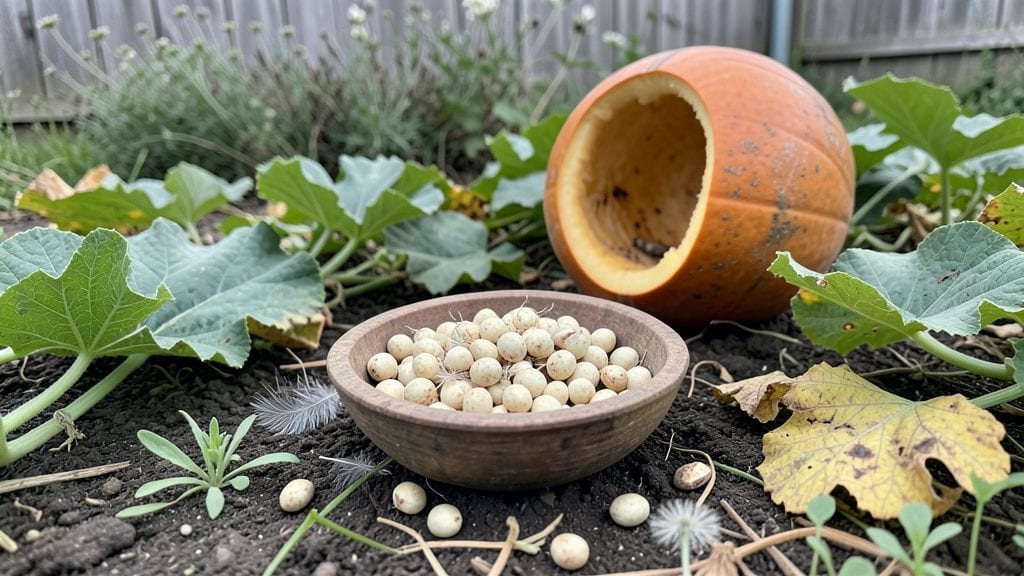
Chickens can eat whole pumpkin seeds in moderation, but they must be unsalted and unroasted. Feed them sparingly—about 1-2 seeds per chicken weekly—to avoid digestive issues or shell-related blockages. Always crush larger seeds for younger birds or small breeds.
Pumpkin seeds are a nutritious treat for chickens when prepared correctly, offering essential minerals like zinc and magnesium that support their immune system and feather health. 🌟 However, their hard shells can pose choking hazards for chicks or small breeds, so crushing them is a must.
I've noticed that older hens handle whole seeds better, but even they should only get them occasionally—too many can lead to weight gain or digestive upset. Always remove any salted or roasted seeds, as these can be toxic or cause dehydration.
For variety, you can mix pumpkin seeds with other safe seeds like melon or squash seeds, but always introduce new treats gradually. Watch your flock for any signs of discomfort after feeding, and adjust portions based on their size and activity level.
The key is balance—these seeds are a supplement, not a staple!
💡 In This Article
- Nutritional Value of Pumpkin Seeds for Chickens
- Safe Ways to Serve Pumpkin Seeds to Chickens
Nutritional value of pumpkin seeds for chickens
Pumpkin seeds pack a nutritional punch for chickens, offering a balanced mix of 18-20% protein and 40-50% healthy fats—primarily omega-3 and omega-6 fatty acids. These fats support feather development and egg quality, while the 1.5-2.5g of magnesium per ounce helps regulate muscle and nerve function.
The seeds also contain zinc (3.2mg per ounce), which boosts immune response and skin health, making them a natural supplement for stressed or molting birds. 🌟
What sets pumpkin seeds apart is their low phosphorus-to-calcium ratio (1:2), which prevents metabolic bone disease when balanced with proper calcium sources like oyster shell. Their iron content (1.7mg per ounce) supports hemoglobin production, crucial for active hens, while copper (0.3mg per ounce) aids feather pigmentation.
Compared to sunflower seeds (which are higher in fat but lower in zinc), pumpkin seeds offer a more mineral-dense profile—ideal for breeding hens needing reproductive support.
However, the high fat content (about 50% of their calories) is why moderation is critical. Chickens metabolize fats differently than humans—their livers process excess fat into ketones, which can lead to fatty liver hemorrhagic syndrome if overfed.
This condition causes lethargy, pale combs, and sudden death in severe cases. 💛 The key is treating seeds as an occasional snack rather than a dietary staple, especially for free-range birds already consuming varied natural foods.
For practical comparison, here's how pumpkin seeds stack up against other chicken treats:
- Sunflower seeds: Higher in fat (50-55%) but lower in zinc and magnesium; best for energy but not mineral balance
- Flaxseeds: Rich in omega-3s (23% of calories) but deficient in zinc; better for heart health than mineral support
- Melon seeds: Similar mineral profile but softer shells; easier for chicks to digest
The ideal feeding strategy combines these seeds based on your flock's needs. For example, mix 1 part pumpkin seeds with 2 parts flaxseeds for omega-3 support, or use pumpkin seeds as a zinc supplement during molting periods when feather regrowth demands extra minerals.
Always introduce new seeds gradually to avoid digestive upset, and observe your chickens for 3-5 days after any dietary change. 🌟
What most backyard keepers overlook is how seed size affects digestion. Larger seeds (like those from sugar pumpkins) can pass through adult chickens' gizzards intact, while smaller varieties (like from mini pumpkins) are easier to digest.
For chicks or bantams, always crush seeds to pea-sized pieces—their smaller digestive systems can't handle whole seeds safely. This simple adjustment prevents blockages while preserving the nutritional benefits. ✨