
Vegetables
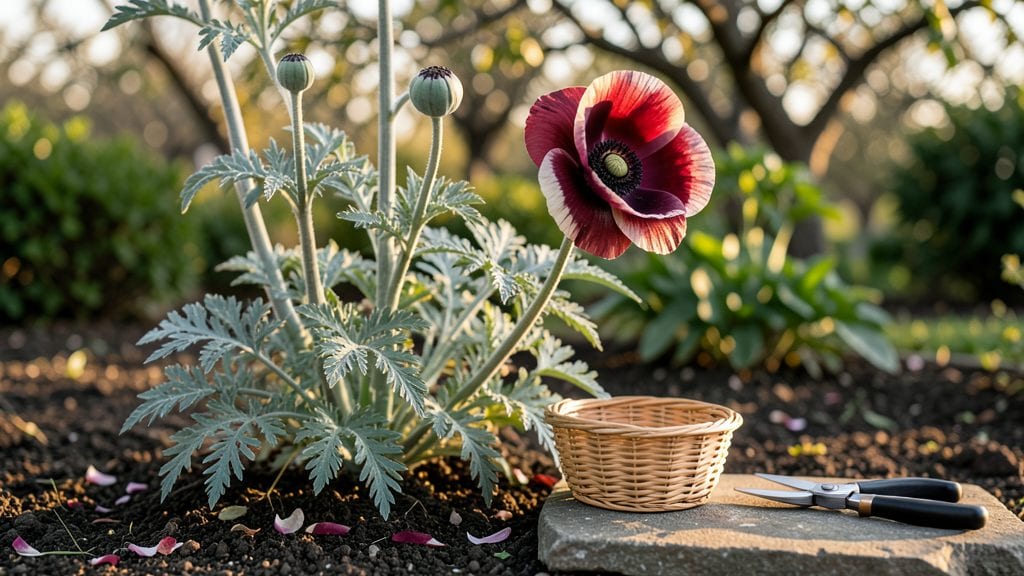
Poppy seeds contain tiny amounts of morphine and codeine, but chickens process these compounds differently than mammals, making them safe in small doses. 💫 The real concern comes from the hulls, which can irritate their digestive systems, or from wild poppies picked from gardens, which might carry pesticides or mold.
If you're unsure about a seed's safety, stick to commercially grown poppy seeds labeled for human consumption—just offer them as an occasional treat, not a staple.
For a safer seed alternative, try sunflower seeds (unsalted) or flaxseeds, both packed with nutrients chickens love. Introduce new seeds gradually to monitor their reaction, and always source organic options to avoid chemical exposure. A mix of 1 teaspoon per chicken per week keeps things balanced without overloading their diet.
💡 In This Article
- Poppy Seed Toxicity Risks for Chickens
- Safe Seed Alternatives for Chickens
Poppy seed toxicity risks for chickens
Poppy seeds contain trace amounts of morphine and codeine—compounds that trigger opiate receptors in mammals—but chickens metabolize these alkaloids differently due to their unique liver enzymes. 🔥 While humans might experience drowsiness from poppy seed muffins, chickens lack the same receptor sensitivity, making the seeds non-toxic in small doses.
The key factor is dosage: a 1/4 teaspoon per chicken per week provides nutritional benefits without risk, as their digestive systems efficiently process the compounds.
The real danger lies in the hulls, which contain higher concentrations of irritating fibers and potential mold spores.
Chickens lack the enzymes to break down these tough outer layers, leading to mild digestive upset like bloating or loose droppings. 🌟 Even commercially processed seeds may retain some hull fragments, so always opt for finely ground poppy seeds or strain them before serving.
The texture of whole seeds is also a choking hazard for young chicks.
Garden-grown poppies pose the highest risk due to three major concerns: pesticide residue, immature seed pods, and mold contamination. Many home gardeners use herbicides or fungicides on poppy plants, which can linger on seeds.
Additionally, unripe pods contain higher concentrations of isoquinoline alkaloids, which are more toxic. 💫 Even organic garden poppies may harbor spores from decaying plant matter, creating a perfect storm for digestive issues in chickens.
Here's what actually happens when chickens consume poppy seeds: their gizzards grind the seeds into a fine powder, but the hulls remain largely intact, passing through undigested. This creates a physical blockage in their digestive tract, similar to how birds process grit.
The solution? Offer seeds in a moist mash or lightly toast them to soften the hulls before serving. Always introduce new foods gradually—start with 1/8 teaspoon per chicken and monitor for 24 hours before increasing portions.
For visual comparison, imagine poppy seeds as tiny 1mm diameter capsules: the seed itself is safe, but the hull acts like a protective shell that chickens can't metabolize. 🌟 The same principle applies to other seed treats—always remove shells or opt for pre-hulled varieties.
This is why commercial poultry feeds avoid whole seeds: the hulls create more problems than the seeds solve.
The science behind poppy seed safety involves alkaloid metabolism.
Chickens convert morphine into harmless byproducts through their liver's cytochrome P450 enzymes, which mammals lack in sufficient quantities. 💫 However, this metabolic pathway has limits—feeding more than 1 teaspoon per chicken weekly could overwhelm their system, leading to mild lethargy or reduced egg production.
Think of it like giving a child a tiny sip of coffee: the caffeine affects adults more than children due to body weight differences.
When in doubt, use the "three-day rule": if you notice any changes in behavior, appetite, or droppings within 72 hours of introducing poppy seeds, discontinue use immediately. 🌟 This simple observation period can prevent minor issues from becoming serious.
For maximum safety, pair poppy seeds with proven chicken-safe foods like scrambled eggs or steamed greens to create a balanced treat.