
Featured
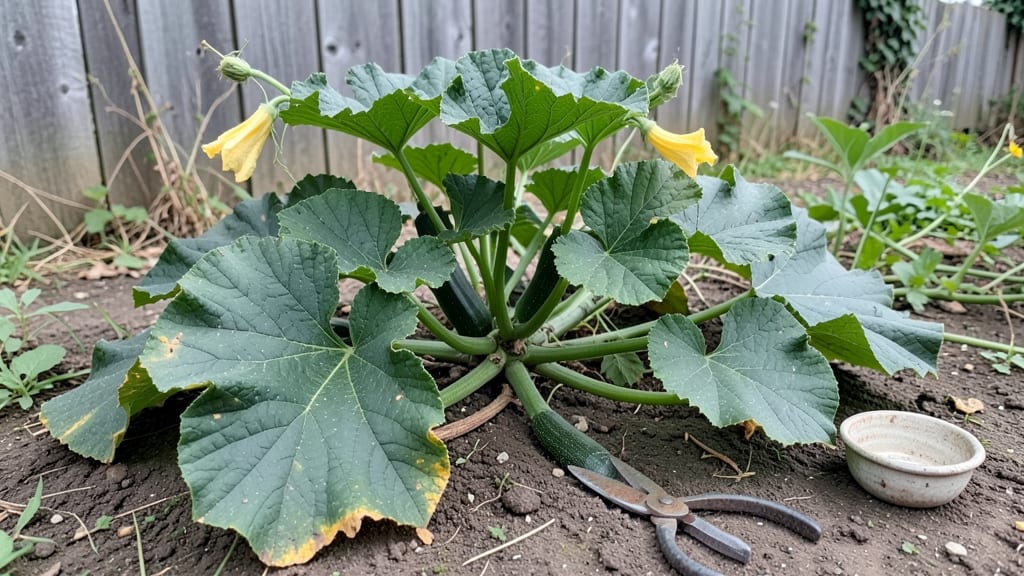
Chickens can eat zucchini seeds in small amounts as they’re non-toxic and provide fiber, but avoid feeding them in excess due to potential digestive upset or choking hazards from large, hard seeds. Always serve seeds raw and whole, never processed or cooked.
Zucchini seeds are safe for chickens when offered in moderation, thanks to their fiber content and natural nutrients like magnesium and potassium. 🌱 However, their hard texture can pose risks if chickens try to swallow them whole—especially for smaller breeds.
I recommend crushing larger seeds or offering them as part of a chopped zucchini treat to minimize choking hazards while still letting your flock enjoy the benefits.
For best results, limit zucchini seeds to about 1-2 teaspoons per chicken, 2-3 times per week. This prevents overfeeding while still providing variety in their diet. Always introduce new foods gradually and watch for signs of discomfort, like reduced activity or changes in droppings.
Store seeds in an airtight container to keep them fresh and free from mold.
💡 In This Article
- Zucchini Seed Nutrition and Chicken Digestive Safety
- Safe Ways to Feed Zucchini Seeds to Chickens
Zucchini seed nutrition and chicken digestive safety
Zucchini seeds pack a surprising nutritional punch for chickens, offering about 18% fiber by weight and trace amounts of protein (10-12%), which supports their digestive health and muscle maintenance.
The seeds also contain beneficial minerals like magnesium (about 250mg per 100g) and potassium, which help regulate nerve function and muscle contractions in poultry.
What's fascinating is how these nutrients compare to other safe seed options: pumpkin seeds provide similar fiber but slightly more fat (40-50%), while squash seeds offer comparable protein levels but with lower mineral content.
The hard, oval shape of zucchini seeds (typically 3-5mm long) creates the biggest risk for chickens—especially smaller breeds like bantams or chicks.
Their gizzards can handle small seeds, but whole seeds may get lodged in the crop or esophagus, causing blockages. 💫 The key factor here is seed hardness: zucchini seeds have a Mohs hardness of 2.5-3 (similar to chalk), which is tougher than what chickens naturally process.
For context, pumpkin seeds are slightly softer (Mohs 2-2.5) and thus safer in whole form, while sunflower seeds (hardness 5-5.5) are dangerous regardless of size.
Chicken digestive systems are designed to handle fibrous plant matter but struggle with hard, dense objects. The gizzard's grinding action can break down seeds over time, but this process requires 12-24 hours of digestion—far longer than chickens typically spend processing food.
This is why crushed seeds (to 1-2mm pieces) are ideal: they maintain nutritional value while reducing choking risks. The fiber in seeds also helps stimulate gut motility, but excess intake can lead to loose droppings or crop impaction—a painful condition where seeds accumulate and block digestion.
What most people don't realize is how zucchini seeds interact with chickens' natural foraging behaviors.
In the wild, poultry consume seeds as part of a varied diet, but they typically process them through pecking and grinding with gravel. 🔥 Domestic chickens lack this natural abrasive surface, making seed preparation even more critical.
Compare this to their natural diet: chickens in the wild consume seeds that are often softer from natural weathering or insect damage, which explains why commercial poultry feeds use ground seeds rather than whole ones.
For those considering alternative seed treats, here's how zucchini seeds stack up nutritionally against other safe options:
- Pumpkin seeds: Higher in fat (40-50%) and zinc (great for immune support), but softer texture makes them safer whole
- Squash seeds: Similar protein content but lower mineral density; harder than zucchini seeds (Mohs 3-3.5)
- Flaxseeds: Rich in omega-3s but should be ground (1-2mm) to prevent blockages
The bottom line is that zucchini seeds offer valuable nutrition when prepared properly.
Their fiber content aids digestion, while their minerals support overall health—but the hard truth is that chickens can't process them efficiently whole. 🌟 The solution lies in moderation and preparation: crushed seeds in small quantities become a safe, nutrient-dense treat that mimics what chickens would naturally encounter in the wild.