Lawn
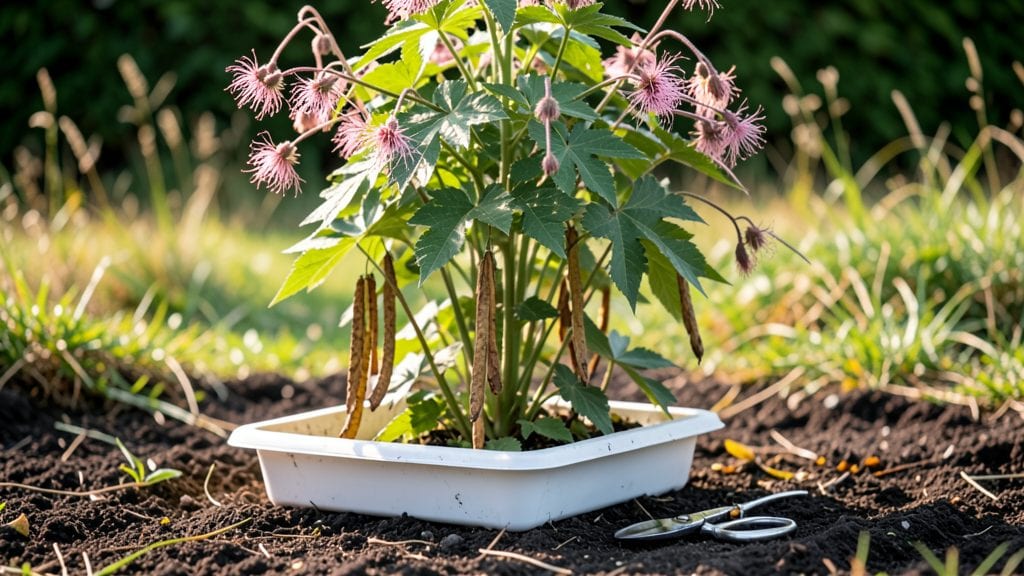
Those cleome seed pods are nature’s most dramatic vertical garden stakes—spiky, architectural, and packed with future plants. 🌿 I’ve watched them transform my summer garden from flat to three-dimensional, and now I’m sharing how to turn those dried pods into next year’s showstoppers.
The secret starts with timing: harvest pods when they turn brown and papery, just before they burst open. A simple paper bag over the stalk catches falling seeds while keeping pests out.
Store them in a cool, dry place—like a cardboard box in your garage—and they’ll stay viable for years.
By spring, you’ll be planting seeds that grow into those same 6-foot-tall spires with velvety blooms. The process takes less than 30 minutes of work now for months of vertical drama later. Plus, you’ll save money and get exactly the varieties you love.
Works for any cleome variety—whether you’re growing the classic ‘Spider Flower’ or a newer dwarf type. Here’s how to do it without losing a single seed to squirrels or mold.
📚 In This Guide
- What you need
- Instructions
- Tips and common mistakes
- Wrapping up and next steps
What you need
- ● Cleome seeds: 10–20 seeds (varies by desired density; Cleome hassleriana is the classic choice). Opt for organic, non-GMO seeds for best results.
- ● Well-draining potting mix: 1–2 bags (5–10 cubic feet total). Mix with perlite or sand (1:4 ratio) to improve aeration.
- ● Containers or garden beds: Containers: 5–10-inch pots (1–2 per plant) with drainage holes. Terracotta or fabric pots work well.
- ● Garden beds: Full sun (6+ hours daily) with loose, fertile soil. Amend with compost (1–2 inches) before planting.
- ● Watering can or hose: With a gentle spray nozzle for even moisture.
- ● Fertilizer: Balanced, slow-release granular (10-10-10) or liquid fertilizer (diluted to half-strength).
- ○ Support stakes or trellis: Optional but recommended! Use 4–6 ft bamboo stakes, metal cages, or a DIY wooden trellis for vertical growth.
- ● Gloves: Lightweight gardening gloves to protect hands from prickly seed pods (later stages).
- ● Trowel: For transplanting seedlings or mixing soil amendments.
- ● Pruning shears: Small, sharp pair for trimming dead foliage or shaping plants.
- ○ pH test kit (optional): Ensures soil pH is 6.0–7.0 (cleome prefers slightly acidic to neutral).
- ○ Mulch (optional): Straw or shredded leaves (1–2 inches) to retain moisture and suppress weeds.
- ● Sunlight access: Full sun (6+ hours/day) is non-negotiable for cleome’s dramatic blooms!
- ● Patience: Cleome grows fast but needs 60–90 days to reach full height (4–6 ft).
- ● 💡 Direct sowing: Cleome seeds germinate best when planted outdoors after the last frost (they hate transplant shock!).
- ● 🌡️ Heat lovers: If your climate is cool, start seeds indoors 4–6 weeks before the last frost date.
- ● 🎯 Thin seedlings: Space plants 12–18 inches apart to prevent overcrowding and encourage strong stems.
How to grow cleome for striking vertical seed pods
These towering blooms turn any garden into a summer spectacle—here’s how to coax their drama into your space.
🌱 Step 1: Choose the Right Location and Soil
Cleome thrives in full sun, so pick a spot that gets at least 6-8 hours of direct sunlight daily. I always check for afternoon shade first—cleome’s tall stems can flop if they’re suddenly shaded after baking in the morning sun. The soil should drain well but still hold moisture, so amend heavy clay with 2-3 inches of compost before planting.
Dig a hole twice as wide as the root ball but only as deep. Cleome roots are shallow, so planting too deep suffocates them. Press the soil firmly around the roots to eliminate air pockets, then water deeply to settle everything. You’ll know it’s right when water drains freely within 10-15 minutes.
☀️ Step 2: Plant and Stake for Support
Space cleome plants 18-24 inches apart—they’ll grow 5-6 feet tall, so crowding leads to weak stems and disease. I always plant them near fences or trellises because their natural sprawl makes them perfect vertical accents. Drop the plant into the hole, backfill with soil, and water again to remove any remaining air gaps.
Install stakes or a trellis immediately. Cleome’s stems are sturdy but can lean under heavy seed pods. Use 3-foot tall bamboo stakes or a lightweight metal trellis, and tie stems loosely with soft garden twine. Avoid tight bindings—they’ll cut into the stems as the plant grows. Watch for new growth to climb naturally; you’ll see tendrils forming within 2-3 weeks.
💧 Step 3: Water and Fertilize for Strong Growth
Water deeply once a week during the first month, letting 2 inches of soil dry out between waterings. Overwatering causes root rot, and cleome’s native drought tolerance means soggy soil stresses them. After the first month, reduce to every 10-14 days unless your area has extreme heat—then increase to weekly.
Fertilize lightly with a balanced 10-10-10 formula at planting, then again when flowers first appear. Too much nitrogen makes cleome leggy and weak. You’ll know it’s working when leaves stay deep green and new growth appears every 2-3 weeks. Stop fertilizing after mid-summer to encourage seed pod formation.
✂️ Step 4: Deadhead and Maintain for Long Bloom Time
Remove spent flowers by pinching them off just above the next set of leaves. This redirects energy to new blooms instead of seed production. I do this every 3-4 days during peak bloom to keep the plant producing. Cleome’s flowers are self-cleaning, so you won’t need heavy pruning—just a quick trim keeps things tidy.
Watch for powdery mildew on leaves, especially in humid climates. If you see white dusting, spray with a 1:1 water-vinegar mix in the early morning. The goal is to keep the plant healthy enough to support those dramatic seed pods. You’ll see the first pods forming 6-8 weeks after flowering, starting at the base of the plant and working upward.
🪴 Step 5: Enjoy the Vertical Drama and Harvest Seeds
Let some seed pods mature for next year’s garden. They’ll turn from green to papery brown as they dry. Harvest by cutting the entire stem and hanging it upside-down in a dry, dark place. Shake the pods gently every few days to release seeds—you’ll hear them rattling inside when they’re ready.
Save seeds for 2-3 years in a cool, dry spot. Cleome self-seeds easily, so you might find volunteers popping up in unexpected spots. If you want to control where they grow, collect seeds early and store them in paper envelopes. The more you grow, the taller and more dramatic your vertical garden becomes!
Tips & tricks for perfect cleome seed pods
Transforming your garden into a vertical masterpiece with cleome is easier than you think—these tricks ensure those signature seed pods reach their full dramatic potential.
Sunlight Strategy: While cleome needs 6-8 hours of sun daily, I've learned that morning sun is more important than afternoon. If your garden gets intense afternoon heat, provide afternoon shade with a sheer fabric screen—this prevents leaf scorch while still letting light reach the stems. The goal is to keep those tall stems sturdy enough to support the heavy seed pods.
Staking Game-Changer: Install your 3-foot tall bamboo stakes or trellis immediately at planting, even if the plant looks small. Cleome's stems grow fast, and waiting creates a struggle later. I tie stems loosely with soft twine every 2-3 weeks as they grow—this prevents cutting into the stems while still providing support. Think of it as giving your plant a gentle hug that grows with it.
Watering Wisdom: The 10-15 minute drainage test after planting is your best friend. If water pools on top after 15 minutes, you need better drainage—amend with more compost or sand. After the first month, let 2 inches of soil dry between waterings—this mimics cleome's natural drought tolerance. In extreme heat, I water weekly instead of every 10-14 days to prevent wilting before those dramatic seed pods form.
Deadheading Secret: When you're pinching off spent flowers every 3-4 days, look for the first signs of seed pods forming at the base. These are your cues to slow down deadheading—let some flowers mature to produce those iconic seed pods. I usually stop deadheading completely once I see the first pods forming after 6-8 weeks of flowering to ensure a good seed harvest.
Pro Tips for Cleome Seed Pods
- Transforming your garden into a vertical masterpiece with cleome is easier than you think—these tricks ensure those signature seed pods reach their full dramatic potential.
- Sunlight Strategy: While cleome needs 6-8 hours of sun daily, I've learned that morning sun is more important than afternoon.
- Staking Game-Changer: Install your 3-foot tall bamboo stakes or trellis immediately at planting, even if the plant looks small.
Frequently asked questions
Are cleome seed pods easy to grow from seed?
Cleome seeds are tough and germinate easily with minimal fuss. Plant them directly in well-draining soil after the last frost, and they’ll sprout in about 10–14 days. No need for fancy prep—just scatter them where you want the plants to grow. Pro tip: Thin seedlings to 12–18 inches apart to avoid overcrowding.
How long do cleome seed pods take to mature?
From seed to mature pods, cleome plants typically take 90–120 days to reach their full height (4–6 feet!). The seed pods themselves form about 6–8 weeks after flowering, which usually kicks in mid-to-late summer. Patience pays off—those dramatic pods are worth the wait!
Can I use cleome seed pods for crafts or dried arrangements?
Yes! Once the pods turn brown and papery (usually in fall), they make stunning dried decorations. Hang them upside down in a dry, airy spot for a few weeks, then use them in wreaths, potpourri, or as unique vertical accents. Just avoid moisture—they’ll mold if kept damp.
Are cleome plants toxic to pets or humans?
No need to worry! Cleome plants are non-toxic to both pets and people. While they’re not edible, their striking blooms and pods are safe to admire (and even dry for crafts). Always double-check with your vet if your pet has a sensitive stomach, but cleome is generally a low-risk choice.
What do I do if my cleome plants aren’t flowering?
If your cleome is tall but not blooming, it might need more sunlight (6+ hours/day) or well-draining soil. Over-fertilizing can also stunt flowers—use a light hand with fertilizer. Deadhead spent blooms to encourage more flowers, and ensure the plant isn’t crowded (cleome loves space to stretch!).
Wrapping up and next steps
Cleome seed pods are your ticket to a dramatic, low-maintenance vertical garden that thrives in summer’s heat! With their striking, upright blooms and easy-growing nature, they’re perfect for adding height, texture, and bold color to any outdoor space.
Whether you’re a seasoned gardener or just starting out, these plants deliver big impact with minimal effort—just plant, water, and watch them shine.
Ready to transform your garden? Start by gathering your supplies and choose a sunny spot—then let nature do the rest! 🌱✨