
Diseases
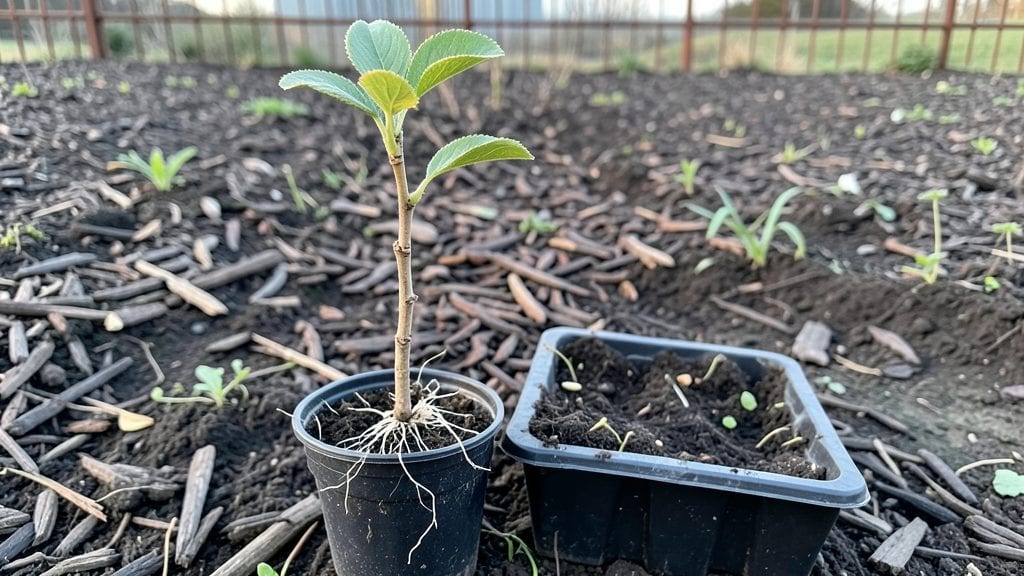
You can grow a plum tree from a plum seed, but the results are often unpredictable since the tree may not produce fruit matching the parent plant. Success requires careful seed stratification, patience during germination, and years of dedicated care—with fruit production potentially taking 5-10 years or never materializing.
Plum seeds contain dormant embryos that need a cold period (stratification) to break dormancy, mimicking winter conditions. 🌱 This process can take 6-8 weeks in the fridge, and even then, only about 30% of seeds typically germinate.
The genetic variability means your seedling could grow into a completely different variety—perhaps even a non-fruiting ornamental tree. Many gardeners start with seeds for fun or rootstock, then graft desirable plum varieties later for guaranteed fruit.
If you're committed to the process, begin by collecting fully ripe plums, cleaning the seeds, and drying them before stratification. Planting in well-draining soil and providing consistent moisture will help young seedlings establish strong roots.
Remember, while seed-grown plums are a rewarding challenge, most commercial orchards use grafted trees for predictable fruit quality and yield.
💡 In This Article
- How Plum Seed Germination Works and Why It Fails
- Step-by-Step Guide to Growing Plums from Seeds
How plum seed germination works and why it fails
The journey from plum seed to tree begins with dormancy, a natural survival mechanism where the seed's embryo halts growth until conditions are ideal. Plum seeds require a cold stratification period—typically 6-8 weeks at 34-40°F—to break this dormancy.
This mimics winter's chilling effect, signaling the seed that spring (and growing conditions) are near. Without this cold treatment, seeds may remain dormant indefinitely or sprout prematurely with weak viability.
Here's what's happening biologically: The seed's outer coat contains abscisic acid, a growth-inhibiting hormone that keeps the embryo dormant. During stratification, this hormone breaks down while gibberellins (growth-promoting hormones) increase, triggering root and shoot development.
The process also softens the seed coat, allowing water absorption. However, only about 30% of plum seeds successfully complete this phase—many either fail to break dormancy or develop into weak, non-viable seedlings.
The real kicker? Genetic variability means your seedling could grow into a tree producing fruit that's completely different from the parent plum. This happens because plum trees are heterozygous—they carry two different sets of genes for traits like fruit color, size, and flavor.
When you grow from seed, you're essentially performing a genetic roll of the dice.
For example, a seed from a sweet Santa Rosa plum might grow into a tree bearing tart, mealy fruit or even no fruit at all—it could become an ornamental tree with beautiful foliage but no culinary value.
This genetic unpredictability is why commercial orchards use grafting instead of seeds. Grafted trees combine a desirable fruit variety's top growth with a hardy rootstock's resilience, ensuring consistent quality and productivity.
Seed-grown plums, on the other hand, often take 5-10 years to bear fruit (if they do at all), and the fruit may lack the sweetness, size, or disease resistance of the parent plant.
The texture could also differ—some seed-grown plums develop a grainier flesh or thinner skin, making them less appealing for fresh eating.
Even when germination succeeds, environmental factors like light exposure, soil pH (ideal: 6.0-7.0), and temperature fluctuations can stress young seedlings. Plum trees are also prone to fire blight and silver leaf disease when grown from seed, as they lack the disease resistance bred into commercial varieties.
The combination of these challenges explains why seed-grown plums rarely match their parent plants—and why most gardeners opt for grafted trees for reliable fruit production.
What most people don't realize is that plum seeds often contain two embryos: one dominant and one recessive. If both germinate, they'll compete for resources, potentially stunting growth.
This is why professional growers carefully select and treat seeds to ensure single, strong seedlings. For home gardeners, this competition adds another layer of unpredictability to the process. 🌱