
Advice
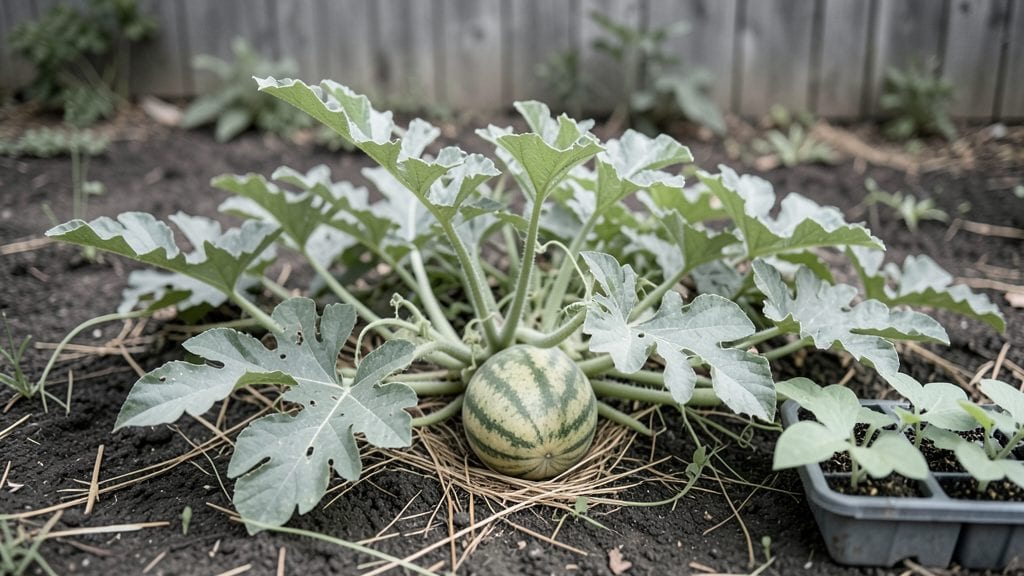
You can absolutely grow watermelon from watermelon seeds, whether they're store-bought or saved from last season's fruit. These seeds thrive in warm soil after the last frost, with full sun exposure and steady watering to produce vigorous vines and sweet fruit. Opting for heirloom varieties gives you the best flavor and natural disease resistance.
Starting your watermelon journey with seeds is simpler than you might think. 🌱 The key is patience—these seeds need soil temperatures above 70°F to sprout reliably, which typically aligns with late spring in most climates.
I've found that planting them 1 inch deep and spacing them 2 feet apart gives vines plenty of room to sprawl. The real magic happens when those first tendrils appear, signaling the plant's readiness to soak up sunlight and transform into a productive vine.
What sets heirloom seeds apart is their genetic consistency—each generation produces fruit true to its parent plant, unlike hybrids that require repurchasing seeds annually. This makes them ideal for gardeners who want to save seeds from their best-tasting melons year after year.
Plus, many heirloom varieties like 'Moon and Stars' or 'Sugar Baby' are bred for disease resistance, reducing the need for chemical treatments in your backyard garden.
💡 In This Article
- Watermelon Seed Germination and Growth Stages
- Best Watermelon Varieties for Seed Growing
Watermelon seed germination and growth stages
Watermelon seeds begin their journey when soil temperatures consistently reach 70-90°F, which is why most gardeners wait until after the last frost when daytime temperatures reliably stay above 65°F. The germination process starts with the seed absorbing moisture, swelling as the seed coat softens.
Inside, enzymes activate to break down stored nutrients, fueling the growth of the radicle (the embryonic root) within 7-14 days. This early stage is critical because cool soil slows enzyme activity, delaying sprouting—sometimes by weeks.
Once sprouted, watermelon seedlings emerge with two cotyledons (seed leaves) that look like tiny, rounded paddles. These leaves photosynthesize to feed the developing plant while the true leaves begin forming. The key here is maintaining 1-2 inches of consistently moist soil without waterlogging, as young roots are delicate.
Too much moisture can cause rot, while too little stresses the plant. I've found that mulching with straw helps retain moisture while keeping roots cool during hot afternoons.
After the seedling stage, vines enter their rapid growth phase, developing tendrils that help them climb or sprawl. This is when sunlight becomes non-negotiable—watermelons require 6-8 hours of direct sun daily to develop strong stems and produce fruit.
The plant's growth hormone, auxin, responds to sunlight by elongating stems and promoting leaf expansion. Without adequate light, vines grow leggy and weak, producing small, flavorless fruit. In my experience, using reflective mulch or placing containers near white walls can boost light exposure by up to 20%.
Here's what's actually happening during fruit development: The plant diverts energy from leaf production to flower formation, then to fruit growth. Each female flower (with a tiny watermelon at its base) signals the start of this process.
The fruit's growth rate accelerates when temperatures stay between 75-90°F during the day and 60-75°F at night. Too much heat above 95°F can cause blossom drop, while nights below 55°F stunt growth. This is why gardeners in hot climates often use shade cloth during peak summer afternoons.
What most people don't realize is how the vine's growth habit affects fruit quality. Watermelon vines spread 6-10 feet in all directions, and crowding reduces air circulation, creating ideal conditions for fungal diseases like powdery mildew.
Proper spacing (2-3 feet between plants) allows sunlight to reach all leaves, preventing the lower foliage from becoming damp and diseased. I've seen firsthand how vines with unrestricted growth produce fruit that's 20-30% larger and sweeter than crowded plants.
In container gardening, this means choosing large pots (5-gallon minimum) with drainage holes and support trellises for climbing varieties like 'Sugar Baby'. The roots need room to establish while the vines grow upward, maximizing sunlight exposure.
For in-ground planting, tilling the soil to 12 inches deep ensures roots can access moisture and nutrients during the 80-90 day growing season typical for most varieties.
One final tip: Watch for the first true leaves to develop—this signals the plant is ready for a balanced fertilizer (10-10-10 ratio). The transition from seedling to mature plant is where most growth happens, and proper nutrition at this stage determines your harvest's success. 🌱