
Vegetables
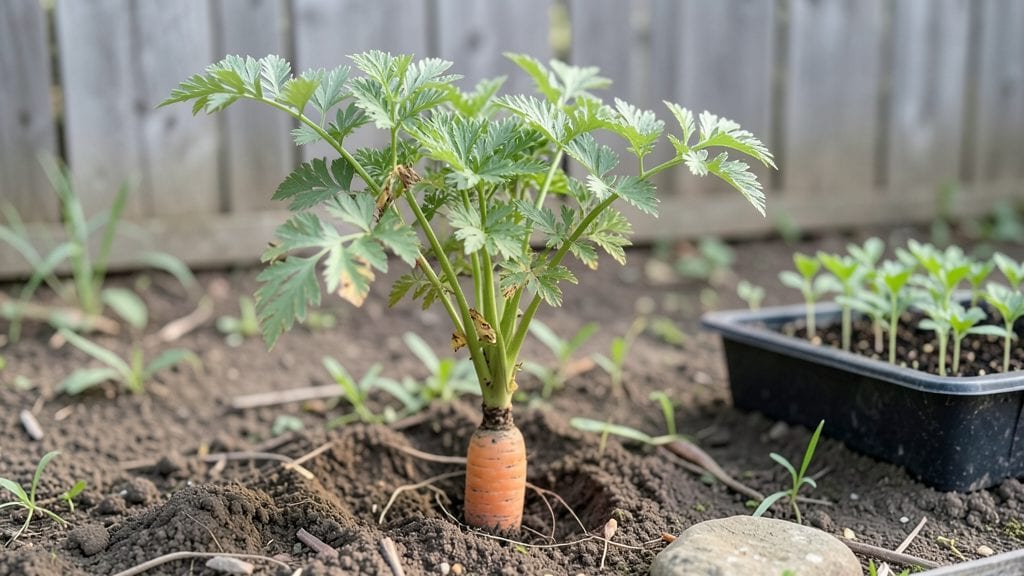
Planting carrot seeds at the right depth 🥕 is the single biggest factor in whether they germinate fast or rot in the soil.
Struggling with thin, stunted carrots or slow germination? The secret to growing perfect, long roots starts with planting carrot seeds at the exact depth—too shallow or too deep, and your harvest suffers. Here’s the science-backed guide to planting depth that ensures faster sprouts and robust growth.
Most gardeners assume deeper means better, but the truth is that carrot seeds need just ¼ to ½ inch of soil coverage to thrive. This range keeps them moist enough to germinate while preventing rot from over-saturation.
The key lies in soil type—sandy soil dries out faster, so you’ll plant slightly deeper, while clay holds moisture longer and needs shallower placement.
In this guide, I’ll walk you through the ideal depth for your zone, how to adjust for different carrot varieties, and the three common mistakes that kill seedlings before they even emerge. Ready to grow carrots that reach their full potential?
The ideal carrot seed depth for maximum germination rates
Getting your carrot seeds to sprout consistently can feel like a guessing game—until you nail the planting depth. The magic number? A ¼ to ½ inch depth. This range balances moisture retention and oxygen access, giving seedlings the best chance to break through the soil without struggling.
Too shallow, and seeds dry out; too deep, and they suffocate. Let’s dig into why this depth works—and how to adjust for your garden’s conditions.
Carrot seeds are tiny, delicate, and packed with oil-rich embryos that need just the right conditions to germinate. When planted at ¼ inch, they stay hydrated while still receiving enough air to activate their growth hormones.
At ½ inch, larger seeds or those in heavier soil can still push through, but anything deeper risks rot or failure. Think of it like Goldilocks—too shallow, too deep, or just right.
Your soil type plays a huge role. In sandy soil, which drains quickly, aim for the ½ inch end of the range to hold moisture longer. For clay or loamy soil, stick closer to ¼ inch to prevent waterlogging.
Pro tip: Loosen the soil with a garden fork before planting to create a crumbly texture that mimics the ideal depth naturally.
Temperature matters just as much as depth. Carrot seeds germinate best in soil that’s 55–85°F. If your spring soil is still chilly (below 50°F), wait or use row covers to warm the soil faster.
In hot climates, plant in early spring or late summer to avoid seedling stress from heat. A soil thermometer is your best friend here—aim for 60°F+ for reliable germination.
Here’s the science: Carrot seeds need consistent moisture to swell and break their seed coats. Planting too shallow (less than ¼ inch) exposes them to drying winds, while planting too deep (over ½ inch) blocks their path to sunlight.
The ¼–½ inch zone keeps them snug but not suffocated, ensuring 80–90% germination rates in ideal conditions.
Now, let’s talk tools. A seed drill or even a toothpick works for precise depth control. For rows, use a trowel to make furrows, then scatter seeds thinly (about ¼ inch apart) and cover lightly with soil.
If you’re direct-sowing in containers, press seeds into the soil surface and barely cover them—¼ inch max—since container soil dries out faster.
One common mistake? Overwatering after planting. While seeds need moisture, soggy soil can drown them before they sprout. Water gently with a spray nozzle to keep the surface damp but not waterlogged. After germination, reduce watering slightly to harden off seedlings and prevent fungal issues like damping off.
For organic seeds or heirloom varieties, which often have thinner seed coats, err on the shallower side (¼ inch). Hybrid seeds, bred for uniformity, can handle the ½ inch depth more reliably.
Always check the seed packet for specific recommendations—some varieties, like Paris Market or Danvers Half Long, thrive with slightly deeper planting.
Finally, don’t forget to thin seedlings once they’re 2 inches tall. Crowded carrots compete for nutrients and fork (split) as they grow. Space them 2–3 inches apart to give roots room to straighten out. This step is non-negotiable for long, straight carrots—the reward for your perfect planting depth!
With the right depth, your carrots will sprout in 7–14 days (faster in warm soil) and grow into crisp, disease-resistant roots. The key? Pay attention to your soil, stay patient, and trust the ¼–½ inch rule. Your future harvest will thank you!