
Propagation
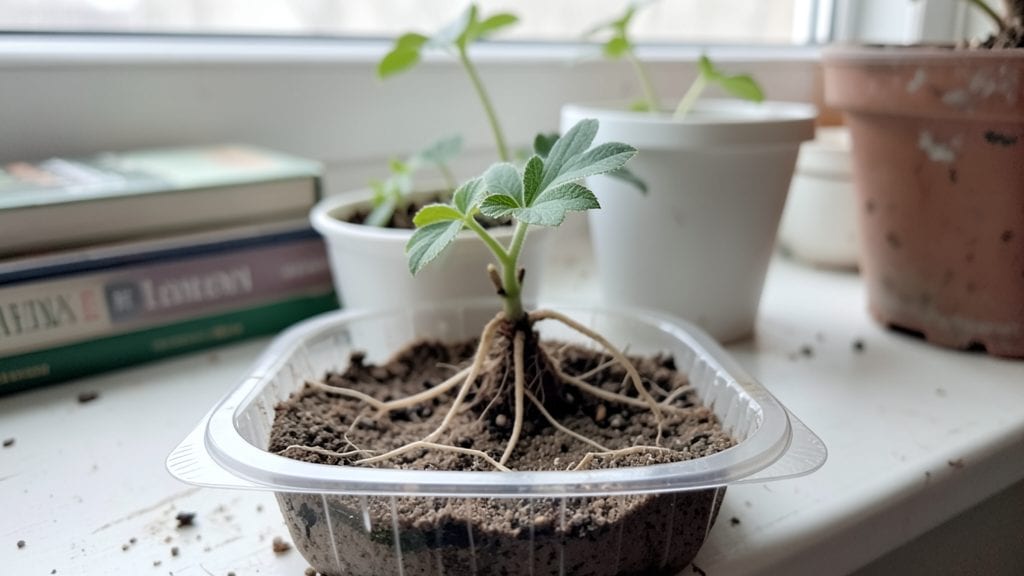
Clematis seed germination starts with a moisture-controlled method that mimics the plant’s natural dormancy needs—too dry, and they’ll sit forever; too wet, and they’ll rot before sprouting. I’ve struggled with this myself, watching trays of seeds remain stubbornly dormant for months until I cracked the balance between patience and precision.
The key lies in replicating the forest floor conditions these vines evolved under: just enough dampness to trigger growth without suffocating tender roots.
This isn’t about rushing nature—clematis seeds often need stratification (a cold period) followed by warm, humid conditions to break dormancy. You’ll need a mix of peat moss and perlite to keep moisture even, a clear plastic dome or bag to trap humidity, and a consistent 60-65°F temperature once germination begins.
Most gardeners overlook the stratification step, which is why their seeds fail to sprout within weeks. I’ll show you how to do it right, whether you’re working with fresh seeds or those you’ve saved from last year’s blooms.
When done correctly, you’ll see the first tiny shoots emerge in 4-8 weeks, though some varieties take twice as long. The seedlings won’t look like the lush climbers you’re used to—early growth is slow and delicate, with tiny leaves unfurling in stages.
But once they establish, they’ll reward you with vigorous vines that may differ from grafted plants in size or flowering habits, though their hardiness and adaptability often surpass nursery stock.
This method works for both wild-collected seeds and those from hybrid clematis, though expect variations in growth rates. The real payoff comes when you transplant them into the ground—seed-grown clematis develop deeper root systems and often thrive better in challenging soils. Let’s get those seeds sprouting the right way.
Hidden Barriers to Seed Sprouting
Clematis seeds may seem ready to sprout, but hidden factors often sabotage their journey from soil to seedling. Understanding these roadblocks—rooted in biology, environment, and human handling—can help you troubleshoot why your seeds aren’t waking up. Let’s break down the science behind the struggle.
Many clematis seeds enter a state called dormancy, a survival mechanism that delays germination until conditions are ideal. This isn’t laziness—it’s evolution. Two primary types of dormancy affect clematis seeds:
- Physiological Dormancy: Seeds produce hormones (like abscisic acid) that suppress growth until internal triggers—like temperature shifts or light exposure—signal it’s safe to sprout. Actionable fix: Mimic seasonal cues by exposing seeds to stratification (cold treatment) or alternating warm/cold cycles.
- Physical Dormancy: Hard seed coats block water and oxygen. Clematis seeds often have a palmate structure where the seed coat is tough and impermeable. Actionable fix: Nick the seed coat with sandpaper or soak in warm water for 24–48 hours to soften it.
Pro Tip: 💡 Some clematis varieties (like Clematis montana) require double dormancy—first a cold period, then warmth. If you skip either step, germination stalls.
Clematis seeds are thermally sensitive, meaning they need precise temperature ranges to germinate. Most species thrive in:
| Stage | Ideal Temperature (°F/°C) | What Happens If Off? |
|---|---|---|
| Stratification (Cold Moist) | 35–45°F (2–7°C) | Too warm? Dormancy breaks prematurely. Too cold? Metabolism slows to a crawl. |
| Germination (Warm Moist) | 65–75°F (18–24°C) | Below 60°F (15°C)? Seeds rot. Above 80°F (27°C)? They dry out or develop fungal issues. |
Actionable fix: Use a heat mat for warm phases and a refrigerator (with moist paper towels) for cold stratification. Monitor with a thermometer—consistency is key!
Water is the spark for germination, but clematis seeds are not flood-tolerant. Too little? They dry out. Too much? They suffocate or rot. The sweet spot:
- Consistent moisture: Soil or growing medium should feel like a wrung-out sponge—never soggy, never bone-dry.
- Avoid distilled water: It lacks minerals that trigger enzymatic activity. Use rainwater or tap water at room temp.
- Humidity matters: For seeds in trays, maintain 80–90% humidity with a clear lid or plastic wrap.
Pro Tip: 🌡️ If your seeds are in a sealed container, open it daily to prevent anaerobic conditions (lack of oxygen), which causes seeds to ferment and die.
Clematis seeds can take anywhere from 2 weeks to 6 months to germinate, depending on the species and pre-treatment. But if you’re waiting too long, it might not be dormancy—it could be:
- Old or non-viable seeds: Seeds lose viability over time. Store them in a cool, dark, dry place (like a fridge) and use them within 1–2 years.
- Fungal/bacterial infection: Cloudy water, mold, or foul smells mean it’s time to sterilize your setup with hydrogen peroxide (3%) or a fungicide.
- Improper light exposure: Some clematis seeds need light to germinate, while others prefer darkness. Actionable fix: Try both methods—sow some seeds shallowly (light) and others deeper (dark).
Warning: ⏰ If seeds show no signs of life after 3 months, they’re likely not going to sprout. Don’t waste time—start fresh!
By tackling these hidden hurdles, you’ll turn clematis seed germination from a gamble into a reliable, rewarding process. Next up: how to create the perfect environment to coax those seeds into action! 🌱✨
Fixing Germination Woes Fast
Struggling with stubborn clematis seeds that refuse to sprout? Don’t worry—most issues have simple, science-backed fixes. Below, we’ve mapped common problems to practical solutions, plus prevention tips to keep your seeds thriving. Let’s turn those slow starters into lively seedlings!
Cause: Cold shock, improper stratification, or stale seeds.
How to Fix It:
- 🔥 Stratify Like a Pro
- Place seeds in a damp paper towel, seal in a plastic bag, and refrigerate for 4–8 weeks (mimicking winter’s chill).
- Pro Tip: 🌡️ Use a mix of sand and peat moss (1:1 ratio) for better moisture control during stratification.
- ⏰ Test Seed Viability
- Float-test: Drop seeds in water—sinkers are viable; floaters are likely dead.
- Prevention: Store seeds in a cool, dry place (50–60°F) for up to 2 years (clematis seeds lose potency over time).
- 🌱 Warmth Trick for Speed
- After stratification, move seeds to a warm spot (70–75°F) to kickstart germination. A seedling heat mat works wonders!
Cause: Overwatering, poor drainage, or fungal growth.
How to Fix It:
- 👨🍳 Adjust Moisture Levels
- Use a well-draining mix (50% perlite/pumice + 50% seed-starting soil).
- Water only when the top inch feels dry—think "damp sponge," not soggy.
- 🔪 Sterilize Your Setup
- Sanitize trays and tools with 10% bleach solution (1 part bleach to 9 parts water) to kill fungi.
- Prevention: Add 1 tsp cinnamon or hydrogen peroxide (3%) to soil to deter mold.
- 🌡️ Boost Airflow
- Place trays under a fan on low (2–3 hours daily) to prevent humidity buildup.
- Pro Tip: 🌿 Use a clear lid with ventilation holes to balance moisture and airflow.
Cause: Weak seed vigor, low light, or nutrient deficiency.
How to Fix It:
- 💡 Optimize Light Exposure
- Provide 12–14 hours of bright, indirect light (grow lights work best). South-facing windowsills can work in a pinch.
- Prevention: Rotate trays quarter-turn daily for even growth.
- 🍽️ Feed Fussy Seedlings
- Once sprouts emerge, use a diluted fish emulsion (1 tsp/gallon) or seaweed extract for a gentle nutrient boost.
- Avoid: Over-fertilizing—stick to half-strength solutions until true leaves appear.
- 🌡️ Regulate Temperature
- Keep seedlings in a consistent 65–70°F range during the day and 55–60°F at night.
- Quick Fix: Move trays away from drafts or heat vents.
Cause: Transplant shock, sudden temperature swings, or damping-off disease.
How to Fix It:
- 🌱 Harden Off Gradually
- Start 1–2 weeks before transplanting by exposing seedlings to outdoor conditions for 1–2 hours daily, increasing time slowly.
- Prevention: Use biodegradable pots to avoid root disturbance during transplant.
- 🏥 Treat Damping-Off
- Remove affected seedlings immediately and dust soil with cinnamon or copper fungicide.
- Pro Tip: 🌿 Water at the base (not overhead) to keep foliage dry.
- 🌡️ Stabilize Conditions
- Use a mini greenhouse or cloche to protect seedlings from cold snaps or heat stress.
- Prevention: Monitor humidity with a hygrometer—aim for 40–60%.
🎯 Final Pro Tip: Keep a germination journal! Track moisture, temps, and light to spot patterns in what works (or doesn’t) for your clematis seeds. With these fixes, you’ll go from "stuck" to "sprouting" in no time!
Frequently asked questions about growing clematis from seeds
How long should I stratify clematis seeds before planting?
Most clematis varieties need 4-8 weeks of cold stratification to break dormancy. Place damp seeds in a sealed bag with moist sand or peat moss, then refrigerate at 35-45°F. Some wild species may require longer—up to 12 weeks—so check your specific variety's needs.
Can I use regular potting soil for clematis seed germination?
No—regular potting soil is too dense and retains too much moisture. Instead, mix 50% perlite or pumice with 50% seed-starting mix for proper drainage. The medium should feel like a wrung-out sponge, never soggy. This prevents rot while keeping roots hydrated.
Why are my clematis seeds taking so long to germinate?
Clematis seeds often need 2-6 months to sprout due to natural dormancy. If they've been in the fridge for 8+ weeks and still show no signs of life, check viability by doing a float test (viable seeds sink). Some varieties also require light exposure after stratification—try moving trays to a bright windowsill.
What's the difference between seed-grown and grafted clematis plants?
Seed-grown clematis develop stronger root systems and adapt better to local conditions, but may take 3-5 years to flower. Grafted plants bloom faster (1-2 years) and maintain hybrid traits, but roots can be more vulnerable. Seedlings often grow taller with more vigorous vines, though their flowers may differ from the parent plant.
How do I know when clematis seedlings are ready for transplanting?
Seedlings are ready when they have 2-3 sets of true leaves and roots fill the container. Harden them off by gradually increasing outdoor exposure over 1-2 weeks. Transplant in spring after last frost, choosing a spot with 6+ hours of sunlight and well-draining soil. Use biodegradable pots to minimize root disturbance.