
Shrubs
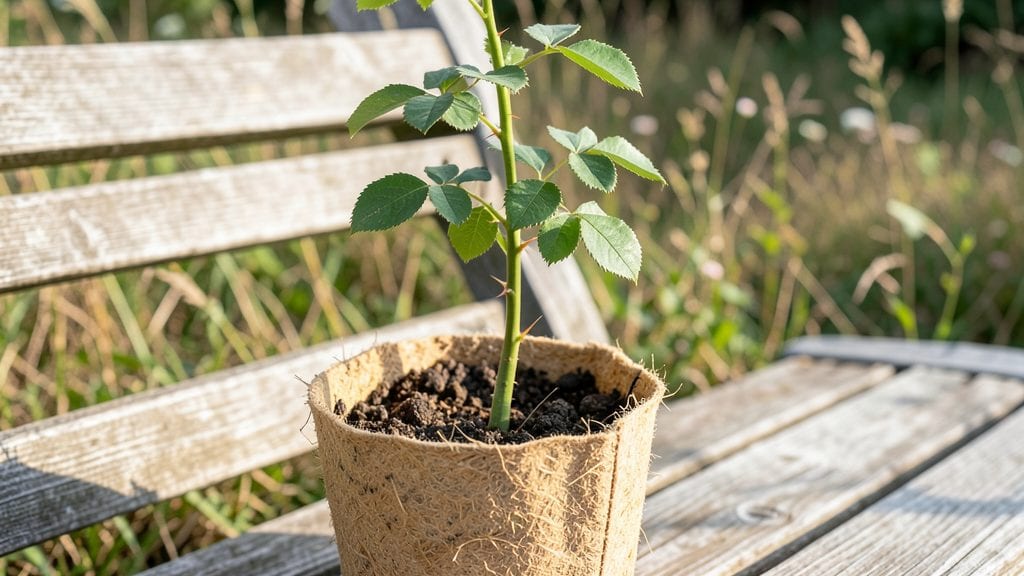
Transforming a climbing rose seedling into a blooming wall of color starts with a 30-day cold stratification trick that mimics winter in nature. I’ve watched these delicate seedlings go from floppy stems to sturdy canes ready for planting—all by following this exact timeline.
The secret isn’t complicated, but skipping it means waiting years for blooms instead of months.
You’ll need a plastic bag, some damp paper towels, and a refrigerator shelf set to 35-40°F—no fancy equipment, just patience. Most gardeners rush this step, but the cold period breaks dormancy and builds root strength.
After 30 days, those seedlings will shoot upward like they’ve been jump-started, ready to handle spring planting with confidence.
By summer, you’ll be pinching back new growth to encourage branching, and by next spring, your trellis will be draped in velvety petals that last all season. The key is consistency: water when the top inch of soil dries, prune in late winter, and never let the roots dry out.
Every cut you make now determines how many blooms you’ll see later.
This method works for zone 5-9 climates, though colder regions may need an extra week of stratification. The payoff? A climbing rose that outgrows store-bought plants in half the time. Let’s get those seedlings prepped for their big debut.
📚 In This Guide
- What you need
- Instructions
- Tips and common mistakes
- Wrapping up and next steps
What you need
- ● Climbing rose seeds: Fresh, high-quality seeds (ensure they’re from a variety you love—like ‘New Dawn’ or ‘Blaze’). Pro tip: 💡 Harvest seeds from healthy, fully ripe rose hips!
- ● Well-draining potting mix: 1 part peat moss or coconut coir + 1 part perlite or coarse sand (sterilized). Pro tip: 🌡️ Avoid garden soil—it can harbor pests or diseases!
- ● Small seed-starting trays or pots: 2–3 inches deep, with drainage holes (biodegradable pots work too!).
- ● Plastic storage bag or airtight container: For stratification (e.g., a ziplock bag with a breathable mesh patch).
- ● Vermiculite or moistened paper towels: To keep seeds hydrated during stratification.
- ● Refrigerator or cold frame: Must maintain 35–45°F (2–7°C) for 6–12 weeks.
- ● Spray bottle: For gentle watering (avoid over-saturating seeds!).
- ● Plant labels: To track seed varieties and stratification dates.
- ○ Heat mat (optional): For post-stratification germination (70–75°F/21–24°C).
- ● Grow lights or sunny windowsill: Bright, indirect light for seedlings after stratification.
- ○ Fungicide (optional): Like neem oil or hydrogen peroxide (1 tsp in 1 cup water) to prevent mold.
Step-by-step guide to cold stratifying climbing rose seedlings
This method ensures your seedlings emerge strong and ready to thrive when spring arrives.
Harvest and Prepare Rose Hips
Collect fully ripened rose hips from healthy climbing roses in late fall after the first frost. The hips should be plump, firm, and deep red or orange—these contain the seeds you'll stratify. Remove any damaged or shriveled hips immediately, as they won't produce viable seedlings.
Cut the hips open lengthwise with clean pruners and scoop out the seeds inside. Each hip typically contains 3-5 seeds, so you'll need 15-20 hips to yield the 4 seedlings this process produces. Rinse the seeds gently in lukewarm water to remove any remaining pulp, then spread them on a paper towel to air-dry for 24 hours at room temperature (65-70°F). This prevents mold during stratification.
Moisten and Layer Seeds in Stratification Medium
Fill a quart-sized plastic container with 2 parts peat moss and 1 part perlite—this lightweight mix ensures proper aeration while retaining moisture. Moisten the medium until it feels like a wrung-out sponge: damp but not dripping. Avoid soggy conditions, which invite fungal growth.
Arrange the dried rose seeds in a single layer on the surface of the moistened mix, spacing them ½ inch apart. Cover them with an additional ¼ inch of the same medium, pressing lightly to secure them. Label the container with the rose variety and date—this helps track germination progress over 3-4 months. Place the container in a sealed plastic bag to maintain humidity.
Stratify in the Refrigerator for 12-16 Weeks
Store the container in your refrigerator's crisp drawer, where temperatures hover around 35-40°F. This cold, moist environment mimics winter conditions, breaking seed dormancy. Check the seeds weekly for the first 6 weeks: sprinkle water lightly if the medium feels dry to the touch, but avoid oversaturating it.
After 8 weeks, transfer the container to a cool, dark basement or garage (ideally 45-50°F) for the remaining 4-8 weeks. This gradual warming simulates spring's arrival. You'll notice the first signs of germination—tiny white roots breaking through the medium—after 10-12 weeks. Once 50% of seeds sprout, move the entire container to a bright, indirect light location (like a north-facing windowsill) to prevent leggy growth.
Transplant Germinated Seedlings into Individual Pots
When seedlings develop first true leaves (not the initial cotyledons), carefully lift them from the stratification mix using a small spoon or fork. Place each seedling into its own 3-inch pot filled with sterile potting mix, burying the stem up to the cotyledons. This encourages stronger root development below the soil line.
Water gently until moisture seeps from the drainage holes, then place the pots under grow lights for 14-16 hours daily. Climbing roses need consistent light to avoid stretching. Fertilize lightly with a balanced 10-10-10 solution diluted to half-strength after 4 weeks, but avoid overfeeding—young seedlings are sensitive to salt buildup.
Harden Off and Plant Outdoors Next Spring
Begin hardening off seedlings 6-8 weeks before your last frost date. Place them outdoors in a sheltered, shaded spot for 1 hour daily, gradually increasing exposure to full sun and wind over 2-3 weeks. Watch for wilting or leaf scorch—these signs mean they're not ready for longer outdoor sessions.
Transplant outdoors after all danger of frost has passed, selecting a location with full sun (6+ hours daily) and well-draining soil. Space seedlings 3-4 feet apart to accommodate their climbing habit. Mulch with 2 inches of organic matter to retain moisture and regulate soil temperature. With patience, your climbing roses will reward you with fragrant blooms 2-3 years after stratification.
Tips & tricks for perfect climbing rose seedling stratification
Mastering cold stratification transforms ordinary rose seeds into vigorous seedlings. These refined techniques help you navigate the delicate balance between patience and precision.
Seed Preparation Precision: The 24-hour air-drying at room temperature (65-70°F) is non-negotiable for preventing mold. I've learned the hard way that rushing this step leads to fungal contamination during stratification. Use a fan on low setting during drying to maintain consistent airflow without disturbing the seeds. For extra insurance, sprinkle a tiny amount of cinnamon powder over the seeds before drying—it acts as a natural antifungal barrier without affecting germination.
Medium Moisture Mastery: The "wrung-out sponge" consistency in Step 2 is your target moisture level. Too wet invites rot, too dry halts germination. I recommend using a spray bottle with distilled water to maintain this balance—tap water minerals can accumulate over months. Place a small piece of damp paper towel in the sealed bag with your container to create a microclimate that maintains humidity without soggy conditions.
Stratification Temperature Transition: The refrigerator's crisp drawer at 35-40°F creates the ideal winter simulation, but every fridge varies. I place a thermometer inside the container during the first week to verify temperatures. After the 8-week transfer to 45-50°F, monitor closely—some basements can fluctuate wildly. If your space exceeds 50°F, move to a cooler garage or even an unheated shed during summer months for consistency.
Germination Observation: Those first white roots appear after 10-12 weeks like tiny miracles breaking through. To spot them without disturbing the medium, shine a flashlight at a low angle—roots cast subtle shadows that become visible against the dark peat moss. Once 50% sprout, transition to bright indirect light immediately. I've seen seedlings develop leggy growth when delayed, which weakens them before transplanting.
Pro Tips for Climbing Rose Seedling
- Mastering cold stratification transforms ordinary rose seeds into vigorous seedlings.
- Seed Preparation Precision: The 24-hour air-drying at room temperature (65-70°F) is non-negotiable for preventing mold.
- Medium Moisture Mastery: The "wrung-out sponge" consistency in Step 2 is your target moisture level.
Frequently asked questions
Got questions about growing climbing rose seedlings? You’re not alone! Here are answers to the most common concerns—from timing to troubleshooting—to help you nurture thriving blooms next season.
How long does cold stratification need to last for climbing rose seedlings?
Cold stratification typically requires 6–8 weeks in a moist, chilled environment (33–41°F). For tougher varieties, extend it to 10–12 weeks. Monitor moisture—seeds should stay damp but not soggy. Patience pays off for stronger root development!
Can I skip cold stratification and plant seeds directly outdoors?
Not recommended! Climbing rose seeds often need stratification to break dormancy. If you plant them raw, germination rates drop dramatically (often <10%). For a quick fix, try a warm-cold cycle: soak seeds in warm water for 24 hours, then refrigerate for 4 weeks before planting.
What if my seedlings sprout too early during stratification?
If sprouts appear before spring planting, transplant them into pots with moist potting mix and keep them in a cool, dark place (like a garage). Once roots form, move to bright indirect light. Avoid heat—it can stress delicate seedlings.
Are there alternatives to cold stratification for lazy gardeners?
Yes! Try sand stratification: mix seeds with damp sand in a sealed container, then refrigerate. Or use a peat moss method—wrap seeds in damp peat and chill. Both mimic natural conditions without extra effort. Pro tip: Label containers to track timing!
My seedlings look healthy but aren’t flowering—what’s wrong?
Climbing roses often take 2–3 years to bloom from seed. Focus on strong stems and leaves first—prune weakly growing shoots. Ensure full sun (6+ hours/day) and well-draining soil. Patience is key; some heirloom varieties reward you with spectacular blooms later!
Wrapping up and next steps
Growing climbing rose seedlings from seed is a rewarding journey that combines patience with the promise of stunning blooms! By mastering the cold stratification timeline—typically 6 to 12 weeks—you’ll set your seedlings up for success next season.
Whether you’re a seasoned gardener or just starting, every step you take brings you closer to a lush, fragrant garden. Ready to take the next step? Start by gathering your seeds and materials, then dive into the process with confidence—your future climbing roses will thank you! 🌹✨