
Vegetables
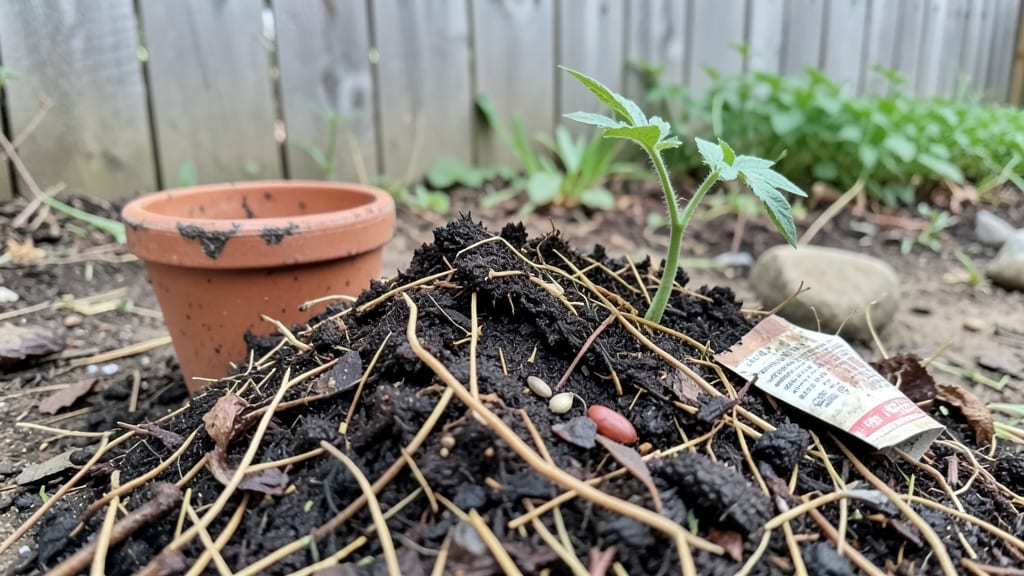
Fast, strong tomato seedlings start with the right compost mix—mine always sprouts in 5-7 days instead of the usual two weeks. 🌱 The secret isn’t just any compost; it’s about balancing freshness, texture, and nutrients to create the perfect seed-starting environment.
Too much fresh compost burns seeds, while aged compost lacks the punch they need to break through the soil.
I swear by a 50-50 mix of finished compost and sterile potting soil—this combo gives seeds just enough organic matter to fuel growth without smothering them. Add a sprinkle of perlite for drainage, and you’ve got a lightweight medium that holds moisture without turning into a soggy mess.
The key is using compost that’s fully decomposed (no visible chunks) and slightly crumbly to the touch.
You’ll see plump, dark-green seedlings pushing through the soil in less than a week, with roots that dive deep instead of sprawling. The compost provides steady nutrients, so you won’t need to fertilize until true leaves appear.
Plus, the soil stays loose enough to transplant without disturbing delicate roots—no more leggy, weak seedlings that flop over at the first breeze.
Works for both homemade and store-bought compost, as long as it’s aged and free of weeds. Just avoid anything with synthetic additives or high salt content. Let’s get those seeds sprouting fast!
📚 In This Guide
- What you need
- Instructions
- Tips and common mistakes
- Wrapping up and next steps
What you need
- ● Compost: 2-3 gallons of finished, well-aged compost (dark, crumbly, and earthy-smelling). Avoid fresh manure or compost with weeds/seeds.
- ● Potting Mix: 1 part high-quality seed-starting mix (sterile, peat-free preferred). Look for labels like "organic" or "seedling blend."
- ● Tomato Seeds: Fresh, high-quality seeds (check the packet for germination rates). Aim for 2-3 seeds per cell if using trays.
- ● Containers: Seed trays (with drainage holes) or
- ● Small pots (2-3 inches deep) (biodegradable or plastic).
- ● Water: Room-temperature, dechlorinated water (let tap water sit out for 24 hours or use filtered water).
- ● Spray Bottle: 8-16 oz with a fine mist nozzle (for gentle watering).
- ● Gloves: A pair of gardening gloves to keep hands clean.
- ● Labels & Marker: For tracking seed varieties (especially if growing multiple types!).
- ○ Heat Mat: A seedling heat mat (optional) to keep soil temps between 70-85°F for faster germination.
- ● Grow Lights: LED full-spectrum grow lights (12-16 hours/day) once sprouts emerge.
- ● Fine Mesh: A screen or cheesecloth to cover trays and protect seeds from pests.
- ○ Compost Additives (Optional): Worm castings (1 tbsp per gallon of mix for extra nutrients).
- ● Perlite or vermiculite (1 part to improve aeration/drainage).
Step-by-Step guide for composting tomato seed starts
Here's how to create nutrient-dense soil that speeds germination and strengthens seedlings.
🌱 Step 1: Source and Prepare the Compost
Use only well-aged, dark compost with no visible chunks or weeds. I recommend a finished compost (fully decomposed) with a rich, earthy smell—like dark chocolate cake. If yours is still chunky, sift it through a ¼-inch mesh screen to remove large particles. This ensures fine texture that seeds love and prevents uneven moisture distribution.
Compost straight from the pile can be too hot for seeds. Test it by pressing a handful—if it crumbles easily and smells sweet, it's ready. If it feels gritty or smells sharp, let it age another 2-4 weeks in a covered bin before using. The goal is warm but not hot soil that encourages rapid root development.
🌿 Step 2: Mix with Seed Starting Medium
Combine 70% sterile seed-starting mix with 30% compost in a clean container. The seed mix provides the light, airy structure seedlings need, while compost delivers the microbes and nutrients that jumpstart growth. I use a wooden mixing board to blend them thoroughly—just until no streaks remain.
Moisten the blend until it feels like a wrung-out sponge: damp but not dripping. You'll know it's right when a handful holds together briefly but crumbles when squeezed. Too wet? Add more seed mix. Too dry? Spritz with water. This balance prevents seed rot while keeping roots hydrated.
💧 Step 3: Sow Seeds in Prepared Soil
Fill 2-3 inch deep containers with your compost-amended mix, pressing lightly to remove air pockets. Plant tomato seeds ¼ inch deep—deeper than you might think, since tomatoes need strong roots. I use a toothpick to make small holes for precision, then drop 1-2 seeds per cell to ensure at least one sprout.
Cover seeds with a thin layer of compost mix (no more than ⅛ inch), then mist the surface with water until evenly damp. The compost's organic matter helps retain moisture longer than plain seed mix, so you'll water half as often without risking dryness. Place containers in a warm spot (75-85°F) for fastest germination.
☀️ Step 4: Maintain Ideal Conditions for Fast Sprouting
Keep soil consistently moist but never soggy—top inch should dry slightly between waterings. Once seedlings emerge (typically 5-10 days), move them to bright light (14-16 hours daily). The compost's nutrients give seedlings a head start, so you'll see first true leaves appear 2-3 days earlier than in plain mix.
Watch for stems touching the soil—a sign of legginess. If this happens, your light is too weak. Strong seedlings from compost-amended soil resist damping-off and develop thicker stems than those in sterile mixes alone. This is your reward for the extra effort!
Tips & tricks for perfect tomato seedling soil prep
Here's what nobody tells you about maximizing germination speed and seedling strength with compost.
Compost Quality Check: That rich, earthy smell you're aiming for in Step 1 should resemble dark chocolate cake—not rotten eggs or ammonia. If your compost smells sharp or looks gritty, it needs more time to decompose. I've ruined three batches by using fresh compost that was too hot, so trust me on this: when in doubt, age it another 2-4 weeks. The microbial activity in properly aged compost creates the perfect environment for rapid root development, which is why you'll see those first true leaves appear 2-3 days earlier than with plain seed mix.
Mixing Technique: When combining your 70% seed mix with 30% compost in Step 2, think "marble cake" not "mud pie." Use a wooden board to fold them together until no streaks remain—this ensures even moisture distribution and prevents clumping. The goal is a texture that holds together when squeezed but crumbles easily, like a well-wrung sponge. Too much compost makes the mix too dense; too little and you lose those growth-boosting nutrients.
Temperature Matters: That warm spot you're placing your containers in Step 3 should hover around 75-85°F—this is your sweet spot for fastest germination. I use a seedling heat mat set to 85°F for the first 5 days, then reduce to 75°F once sprouts appear. The compost's organic matter helps maintain this warmth longer than plain mix, so you won't need to fuss with heat lamps as much. This consistent warmth is what gives tomato seeds that head start on growth.
Light Strategy: The 14-16 hours of bright light in Step 4 is non-negotiable for preventing leggy seedlings. I position my grow lights just 2-3 inches above the seedlings and adjust the height as they grow. The compost-amended soil actually helps here too—seedlings grown in this mix develop thicker stems that resist the stretching you'd see with plain seed mix. Watch for stems touching soil as your early warning sign for legginess, and you'll know it's time to boost that light intensity.
Pro Tips for Compost For Tomato Seeds
- Here's what nobody tells you about maximizing germination speed and seedling strength with compost.
- Compost Quality Check: That rich, earthy smell you're aiming for in Step 1 should resemble dark chocolate cake—not rotten eggs or ammonia.
- Mixing Technique: When combining your 70% seed mix with 30% compost in Step 2, think "marble cake" not "mud pie."
Frequently asked questions
Got questions about using compost for your tomato seeds? You’re not alone! Here are some of the most common queries—plus straightforward answers to help you grow like a pro.
Can I use any compost for tomato seeds?
Not all compost is equal! Opt for well-aged, nutrient-rich compost (avoid fresh manure or uncooked materials). Look for dark, crumbly texture with no foul odors. Homemade compost or high-quality store-bought blends work best—just ensure it’s free of weeds or pathogens.
How long before compost is ready for seed-starting?
Compost needs time to break down fully—aim for 3–6 months of aging. Fresh compost can be too hot or acidic, harming delicate seeds. Test it by pressing a handful: if it holds shape but crumbles easily, it’s ready! For faster results, mix compost with potting soil (50/50 ratio).
What if my compost smells bad?
A strong odor (rotten or ammonia-like) means your compost isn’t fully decomposed. Fix it:
- Turn the pile to aerate.
- Add dry materials (straw, shredded leaves).
- Wait 2–4 weeks—if the smell lingers, compost it longer or use it for non-edible plants.
Can I skip compost and use fertilizer instead?
Compost is ideal for seeds because it’s gentle and packed with microbes that boost growth. Fertilizers (like synthetic mixes) can burn young seedlings. If you’re short on compost, blend it with worm castings or coconut coir for a milder alternative.
What’s the best temperature for composting tomato seeds?
Seeds sprout best in 65–75°F soil. If your compost is too hot (above 80°F), mix it with cooler potting soil to regulate heat. Use a seedling heat mat (optional) if your space is chilly. Monitor moisture too—damp (not soggy) compost speeds up decomposition and keeps seeds happy!
Wrapping up and next steps
Growing tomato seeds in nutrient-rich compost isn’t just a gardening hack—it’s a game-changer for faster, healthier sprouts and stronger plants! 🌱 By using well-balanced compost, you’re giving your seeds the perfect head start, packed with essential nutrients and beneficial microbes.
Whether you’re a seasoned gardener or just starting out, this simple prep method can boost your success rate and help you enjoy a bountiful harvest.
Ready to put your new knowledge into action? Start small—try a few tomato seeds in your compost mix today! Keep experimenting with different compost blends, and soon you’ll be a composting pro, growing tomatoes that thrive from seed to vine. Happy gardening! 🌿