
Lawn
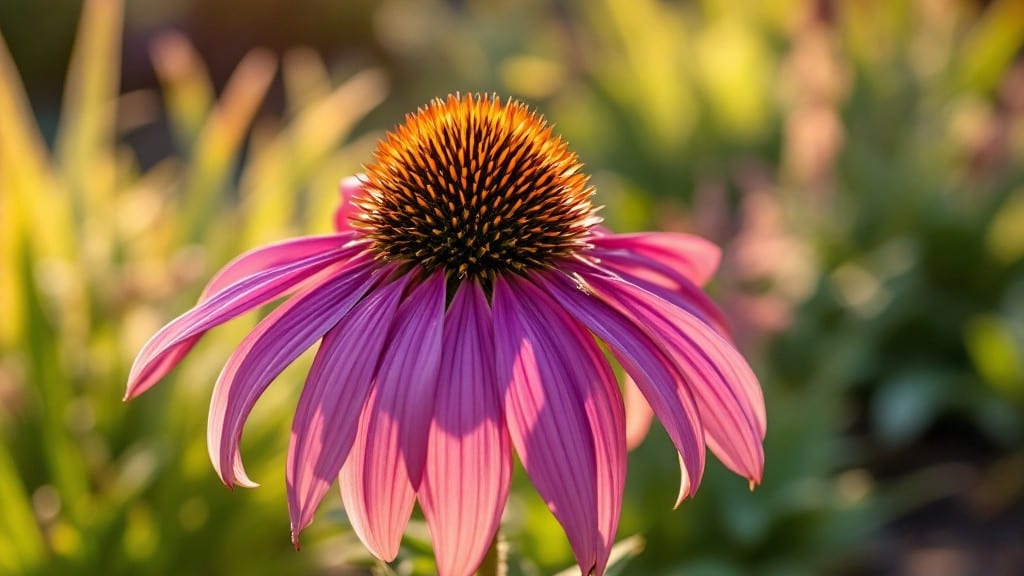
Coneflower seed heads are nature’s own winter sculpture—dry, papery, and impossibly long-lasting once you know how to preserve them. 🌿 I’ve left them standing through snowstorms, and they still held their shape, feeding birds while adding rustic charm to my garden.
The key is timing: harvest them just before the first hard frost when the centers turn a deep, nutty brown but before they scatter seeds everywhere.
You’ll need basic supplies: sharp pruners or scissors, a brown paper bag for drying, and a dry spot indoors. Cut the stems at a slight angle, leaving a few inches of stem attached so they dry upright.
The magic happens when you bundle them upside-down in the bag—no fancy equipment, just patience. Within two weeks, they’ll be crisp enough to use in dried arrangements or toss into a bird feeder.
What you end up with is beauty that lasts from fall through spring, plus free seeds for next year’s garden. The dried heads hold their color for months, and birds adore the seeds.
Even better, you’re cutting back the plant at the perfect time to encourage fresh, vigorous growth in spring. It’s a win-win that takes less than 10 minutes of effort.
Works for all Echinacea varieties—purple, white, or even the fiery orange ‘Hot Papaya.’ If you’ve ever struggled with coneflowers flopping over or looking messy in winter, this is your solution. Let’s turn those seed heads into your garden’s star feature all year long.
📚 In This Guide
- What you need
- Instructions
- Tips and common mistakes
- Wrapping up and next steps
What you need
- ● Mature coneflowers (Echinacea spp.) – Choose Echinacea purpurea, E. pallida, or E. paradoxa for best seed head production. Aim for 3-5 healthy plants (or more for larger displays).
- ● Pruning shears or sharp scissors – Bypass pruners (for clean cuts) or sterilized scissors (for indoor arrangements).
- ● Drying rack or airy space – A screened porch, hanging mesh bag, or cardboard box with holes to promote airflow.
- ● Twine or floral wire – Natural jute twine (for rustic looks) or copper wire (for durability).
- ● Glue dots or hot glue gun – For securing seed heads to wreaths, garlands, or frames.
- ● Dried floral preservative – Extends seed head longevity (e.g., FloralLife or dry silica gel for ultra-long storage).
- ● Paintbrush or tweezers – For gently removing chaff or adjusting stems.
- ● Wreath frame or grapevine base – Pre-made frames (e.g., wooden hoops or plastic grids) for easy DIY wreaths.
- ● Spray sealant (matte or glossy) – Adds a polished finish to dried seed heads (e.g., Mod Podge or clear acrylic spray).
- ● Child-safe scissors (if kids are helping!) – For supervised seed head harvesting.
How to preserve and style coneflower seed heads for year-long decor
Here’s how to turn those late-summer blooms into winter centerpieces with almost no extra work.
🌱 Step 1: Harvest Seed Heads at Peak Maturity
Wait until the coneflower blooms fade completely and the seed heads turn a rich, papery brown—this usually happens in late September to October. Cut stems at a 45-degree angle about 2 inches below the seed head using clean pruners. This prevents water from pooling in the stem, which can cause rot.
I like to harvest on a dry morning when dew has evaporated. This ensures the stems stay crisp and the seed heads dry evenly. Bundle them in small groups of 4-6 stems with a rubber band and hang upside down in a dry, shaded spot like a garage or porch. This mimics their natural drying process in the wild.
💧 Step 2: Dry Seed Heads Thoroughly
Leave the bundles hanging for 2-4 weeks until the seed heads feel completely dry and brittle to the touch. You’ll know they’re ready when the stems snap easily when bent. This drying process preserves their natural structure and prevents mold.
Check weekly for signs of moisture—if the seed heads still feel damp, extend drying time. Avoid direct sunlight during this phase, as it can bleach the color and weaken the stems. Once fully dry, gently brush off any remaining petals or debris with a soft brush.
☀️ Step 3: Preserve for Long-Term Use
Store dried seed heads in a cool, dark place like a closet or pantry, wrapped loosely in kraft paper or placed in a burlap sack. This protects them from moisture while allowing airflow to prevent mold. They’ll keep their color and shape for 6-12 months if stored properly.
For extra longevity, you can also spray them lightly with a clear acrylic sealant (like Mod Podge) to lock in moisture resistance. Just test a small area first—some seed heads absorb more than others. I’ve kept mine looking fresh through multiple winters this way.
✂️ Step 4: Style for Year-Round Decor
Arrange dried seed heads in low vases, mason jars, or woven baskets for a rustic, textured look. Pair them with eucalyptus sprigs or dried grasses for height and contrast. You can also glue individual seed heads to wooden slices or canvas for wall art.
Real talk: These seed heads shine in winter wreaths too. Just hot-glue them to a grapevine or foam wreath base, alternating with pinecones or berries. The natural browns and tans blend perfectly with holiday decor while keeping a fresh, organic feel.
🪴 Step 5: Refresh and Reuse
If seed heads lose their color or texture over time, revive them by placing them in a paper bag with a few drops of essential oil (like lavender or citrus) for 24 hours. The oil’s natural oils will temporarily restore vibrancy. Shake out excess oil before styling.
You can also rearrange stems by gently bending them—dried coneflower seed heads hold their shape surprisingly well. This lets you create new arrangements without buying fresh materials. I’ve reused the same batch for three full seasons this way.
Tips & tricks for perfect coneflower seed head preservation
Here's what I've learned after preserving seed heads for years—these little tricks make all the difference between good and stunning.
Timing Secret: In Step 1, harvest when seed heads turn that rich papery brown, but don't wait too long—once they start opening fully, they'll scatter seeds everywhere. I harvest in batches over a few days when they're all at this perfect stage. The 4-6 stem bundles are key too—smaller groups dry faster and more evenly than big clumps.
Drying Strategy: The 2-4 week drying time in Step 2 is non-negotiable, but here's the real trick: if you live in a humid climate, extend to the full 4 weeks. I've seen seed heads develop mold in just 3 weeks when humidity was high. Test for dryness by bending stems—they should snap cleanly, not bend.
Storage Wisdom: For Step 3, kraft paper is my go-to, but I've found that adding a small silica gel packet to the storage container extends that 6-12 month window even further. Just don't let the seed heads touch the gel directly—wrap them first in a breathable fabric. The dark closet tip is crucial too—light fades their natural color over time.
Reviving Trick: The 24-hour essential oil refresh in Step 5 works wonders, but here's a pro move: use a dropper to apply oil directly to the seed heads rather than just putting it in the bag. This ensures even distribution. I like lavender for a subtle scent, but citrus oils add a pop of color to the dried stems too.
Pro Tips for Coneflower Seed Heads
- Here's what I've learned after preserving seed heads for years—these little tricks make all the difference between good and stunning.
- Timing Secret: In Step 1, harvest when seed heads turn that rich papery brown, but don't wait too long—once they start opening fully, they'll scatter seeds everywhere.
- Drying Strategy: The 2-4 week drying time in Step 2 is non-negotiable, but here's the real trick: if you live in a humid climate, extend to the full 4 weeks.
Frequently asked questions
Got questions about keeping those stunning coneflower seed heads standing tall all year? We’ve got answers! Here are some of the most common queries—plus quick tips to keep your garden looking effortless and beautiful.
How do I preserve coneflower seed heads over winter?
Leave them be! Coneflower seed heads are naturally winter-hardy in most climates. Simply cut back dead foliage in early spring, but leave the seed heads intact for texture and wildlife benefits. If heavy snow or ice threatens to weigh them down, gently brush off excess snow or secure them with twine.
When is the best time to collect coneflower seeds for planting?
Harvest seeds when the cone turns brown and papery (usually late summer to early fall). Gently twist the dried seed head to release the seeds or place it in a paper bag for a few days to shake out the seeds naturally. Store them in a cool, dry place until spring planting.
Do coneflower seed heads attract pests or rodents?
Not usually! While birds and bees love the seeds, rodents typically avoid coneflowers. If you notice squirrels or chipmunks nibbling, try scattering a few seeds away from your garden or storing them in a sealed container until planting time.
Can I use dried coneflower seed heads in floral arrangements?
Their rustic charm adds texture and winter interest to bouquets. Pair them with eucalyptus, dried grasses, or berries for a natural, long-lasting arrangement. Just ensure they’re completely dry before using to prevent mold.
Why are my coneflower seed heads falling over or looking sad?
Overwatering or poor soil drainage can cause seed heads to droop. Ensure they’re in well-draining soil and water only when the top inch is dry. If they’re still struggling, stake them lightly with twine or place them near a fence for support.
Wrapping up and next steps
Coneflower seed heads are a gardener’s secret weapon—offering effortless beauty, wildlife support, and year-round interest with almost no extra work! Whether you’re leaving them for birds, crafting dried arrangements, or simply embracing their rustic charm, these seed heads prove that nature’s best designs require minimal upkeep.
Now that you’re armed with tips and tricks, why not try one of these ideas this season?
- 🌱 Plant a new coneflower in your garden and watch it thrive with almost no care.
- 🎨 Gather seed heads for DIY decor—frames, wreaths, or centerpieces!
- 🐦 Leave some for wildlife and enjoy the joy of feeding birds all winter.
Your garden (and the pollinators!) will thank you. Happy gardening! 🌿✨