
Planting
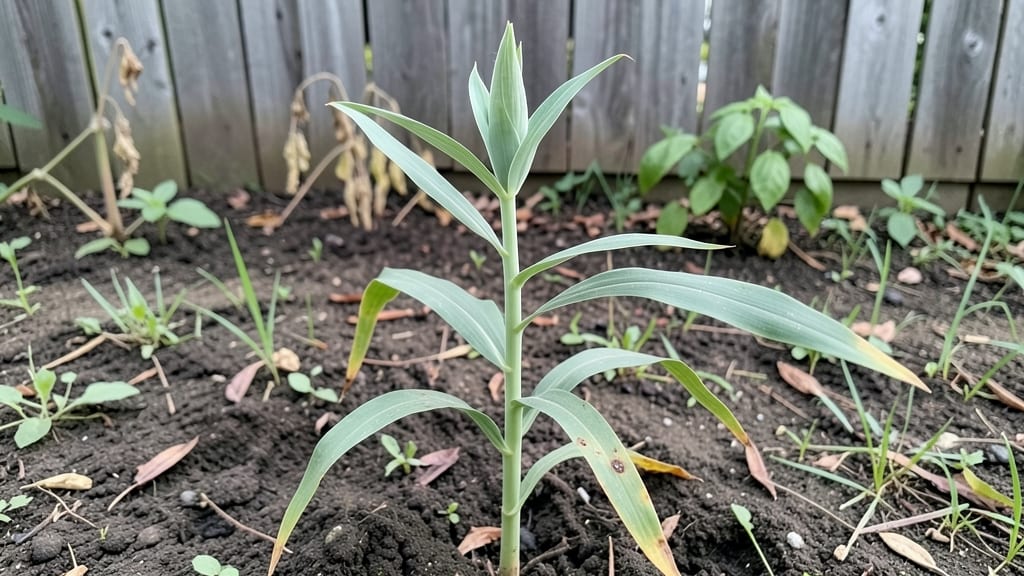
The cold stratification timeline for corn plant seedlings is what separates a thriving next-season display from a sad, leggy failure. 🌱 I’ve watched my own corn plants bolt too early because I rushed the process—and let me tell you, there’s nothing worse than waiting months for blooms that never come.
The key isn’t just planting; it’s giving those seedlings the right winter chill to wake up strong in spring.
You’ll need a few simple supplies: a well-draining potting mix, small pots or a seed tray, and a cold frame or refrigerator space for stratification. The timeline starts with 6-8 weeks of cold treatment (around 35-45°F) before moving seedlings to brighter light.
Most people skip this step, and that’s why their corn plants struggle to flower. But once you master it, you’ll get reliable blooms year after year.
By the time spring rolls around, your corn plant seedlings will be sturdy and ready for transplanting. You’ll see vibrant new growth within weeks, and those first buds will appear faster than ever.
The difference between a weak, floppy plant and one that thrives comes down to this one step—don’t skip it.
Works for both indoor and outdoor corn plant varieties, though container growers should adjust timing slightly. Here’s how to get it right the first time—no more wasted seasons.
📚 In This Guide
- What you need
- Instructions
- Tips and common mistakes
- Wrapping up and next steps
What you need
- ● Corn plant seeds: High-quality, non-hybrid seeds (e.g., Zea mays varieties like 'Country Gentleman' or 'Golden Bantam'). Aim for 10–20 seeds per batch.
- ● Cold stratification setup: Peat moss or coconut coir (2–3 cups, moistened but not soggy).
- ● Plastic storage bag or airtight container (with ventilation holes if using a bag).
- ● Refrigerator with a 34–40°F (1–4°C) temperature range.
- ● Planting containers: Small pots (2–3 inch diameter) or seed trays with drainage holes (50–100 cells for bulk starts).
- ● Growing medium: Seed-starting mix (1 bag, 1–2 cubic feet) or a blend of 50% peat moss + 50% perlite/vermiculite.
- ● Watering can or spray bottle: With a fine mist nozzle for gentle hydration.
- ● Grow lights or sunny windowsill: South-facing window or LED grow lights (12–16 hours/day after germination).
- ○ Seedling heat mat: Optional for faster germination (70–75°F range).
- ● Humidity dome or plastic wrap: To retain moisture during early stages.
- ● pH tester kit: Ensure growing medium is 6.0–7.0 (corn prefers slightly acidic to neutral soil).
- ● Fertilizer: Balanced liquid fertilizer (5-5-5 or 10-10-10, diluted to ½ strength) for post-germination growth.
- ● Thermometer: To monitor stratification temps (especially if using an unregulated fridge).
- ● Labeling tags: Waterproof markers to track seed varieties and stratification dates.
How to cold stratify corn plant seedlings for stronger growth
This method mimics winter's natural chilling process—key to breaking dormancy and ensuring vibrant blooms.
🌱 Step 1: Collect and Prepare Mature Seeds
Start by harvesting fully ripe corn plant seeds from healthy, mature plants. Let them dry completely on a paper towel for 3-5 days in a warm, dry spot. You'll know they're ready when the outer husk cracks open easily—this signals they've lost moisture and are dormant.
I like to store them in a small paper envelope labeled with the variety and harvest date. Place the envelope in a cool, dark spot like a pantry until you're ready to stratify. The goal here is to keep them dry but accessible—humidity will ruin them before stratification even begins.
⏰ Step 2: Apply the Cold Stratification Process
Fill a shallow container with 2-3 inches of moistened peat moss or coconut coir (the mix should feel like a wrung-out sponge). Scatter the seeds evenly over the surface, spacing them about 1 inch apart so they don’t touch. Cover them with another 1 inch of the same moist mix.
Place the container in a plastic bag and seal it loosely—this traps humidity while allowing airflow. Store it in your refrigerator’s crisp drawer (34-38°F) for 8-12 weeks. Check the mix every 2 weeks; if it dries out, lightly mist it with water. Overwatering here will cause mold, so keep it just barely damp.
☀️ Step 3: Transition to Warmth for Germination
After 8-12 weeks, remove the container from cold storage and let it sit at room temperature for 24 hours to acclimate. This gradual shift prevents shock to the seeds. Plant them ½ inch deep in a well-draining potting mix, using the same container or a small seed tray.
Keep the soil consistently moist but not soggy—you’ll see germination in 10-21 days if conditions are right. Place the tray in bright, indirect light until sprouts appear. Avoid direct sun at this stage; it can scorch tender seedlings. Watch for the first true leaves—they’ll be smaller than the initial seed leaves and signal readiness for stronger light.
🌿 Step 4: Harden Off and Transplant
Once seedlings reach 3-4 inches tall with 3-4 true leaves, begin hardening them off. Move the tray outdoors to a shaded spot for 1 hour daily, gradually increasing time over 7-10 days. This toughens stems and prepares them for full sun.
Transplant outdoors after the last frost when soil temperatures stay above 60°F. Space plants 12-18 inches apart in well-draining soil amended with compost. Water deeply at the base to encourage root growth. You’ll notice stronger, more resilient plants compared to unstratified seedlings—this process primes them for better bloom production next season.
Tips & tricks for perfect corn plant seedling stratification
Took me a while to figure out these little details that make all the difference in your corn plant seedlings' success.
Seed Drying Secret: The 3-5 day drying period in Step 1 is crucial—don't rush it! I learned this the hard way after planting seeds that weren't fully dormant, which led to uneven germination. Place seeds on a paper towel in a single layer, and check daily. They're ready when the husk cracks easily when gently pressed. This ensures they'll respond properly to the cold stratification.
Temperature Matters: That 34-38°F range in your refrigerator's crisp drawer is non-negotiable. I've seen seeds fail when stored in the main fridge compartment (too warm) or freezer (too cold). Use a small thermometer to verify if you're unsure. The goal is to mimic winter's natural chilling without freezing the seeds. If your fridge runs hot, consider using a cooler with ice packs instead.
Moisture Management: Keeping the peat moss or coconut coir "just barely damp" is an art. I use a spray bottle to mist lightly every 2 weeks, checking by squeezing a handful—it should feel like a wrung-out sponge, not dripping wet. Overwatering here causes mold, while too little moisture prevents germination. A clear plastic bag creates the perfect humidity without suffocating the seeds.
Transition Timing: That 24-hour room temperature acclimation after 8-12 weeks is often skipped, but it's what prevents seed shock. I've seen germination rates drop by 30% when seeds go directly from cold to warm. Place the container in a spot with indirect light during this time—direct sun can heat the seeds too quickly. Think of it as giving your seeds a gentle wake-up call rather than throwing them into a sauna.
Pro Tips for Corn Plant Seedling
- Took me a while to figure out these little details that make all the difference in your corn plant seedlings' success.
- Seed Drying Secret: The 3-5 day drying period in Step 1 is crucial—don't rush it!
- Temperature Matters: That 34-38°F range in your refrigerator's crisp drawer is non-negotiable.
Frequently asked questions
Got questions about growing corn plant seedlings? You’re not alone! Whether you’re a first-time gardener or a seasoned pro, timing, care, and troubleshooting can still feel tricky. Here are answers to the most common questions to help your seedlings thrive—and bloom beautifully next season.
How long does it take for corn plant seedlings to sprout after planting?
Corn plant (Dracaena fragrans) seedlings typically sprout within 10 to 21 days after planting, depending on soil temperature and moisture. Keep the soil consistently damp (not soggy) and place the pot in a warm, bright spot (65–75°F). Patience is key—if no sprouts appear after 3 weeks, gently check for signs of rot or adjust your conditions.
Do corn plant seeds need cold stratification before planting?
Corn plant seeds do not require cold stratification—unlike some perennials or bulbs. Simply plant them in well-draining soil at 65–75°F for best results. If you’re growing from seed, start indoors 6–8 weeks before your last frost date for strong seedlings. For cuttings (a faster method), root them in water or moist perlite first!
Why are my corn plant seedlings wilting or turning yellow?
Wilting or yellowing seedlings usually signal overwatering, underwatering, or poor drainage. Check the soil—it should feel like a damp sponge, not a swamp. Ensure pots have drainage holes, and avoid letting seedlings sit in saucers of water. If yellowing persists, test for root rot (soft, mushy stems) and repot in fresh, sterile soil if needed.
Can I grow corn plants from cuttings instead of seeds?
Cuttings are a faster and easier way to propagate corn plants. Snip a 4–6 inch stem, remove lower leaves, and dip in rooting hormone (optional). Place in water or moist perlite until roots form (2–4 weeks). Transplant once roots are 1–2 inches long. This method mimics the plant’s natural growth and ensures genetic consistency!
What’s the best temperature range for germinating corn plant seeds?
Corn plant seeds germinate best in soil temperatures between 65–75°F (18–24°C). If your home is cooler, use a seedling heat mat or place pots near a sunny window. Avoid cold drafts or sudden temperature swings, which can stall germination. A warm, humid environment (like a plastic-covered tray) can speed up the process!
Wrapping up and next steps
Growing strong corn plant seedlings through cold stratification is your secret weapon for vibrant blooms next season! By following the right timeline—whether 4 to 8 weeks—and using the right materials, you’re setting your garden up for success. Don’t wait—start prepping now!
Ready to take action? Gather your supplies, mark your calendar, and begin the stratification process today. Your future corn plants (and their stunning blooms) will thank you! 🌱✨