
Watering
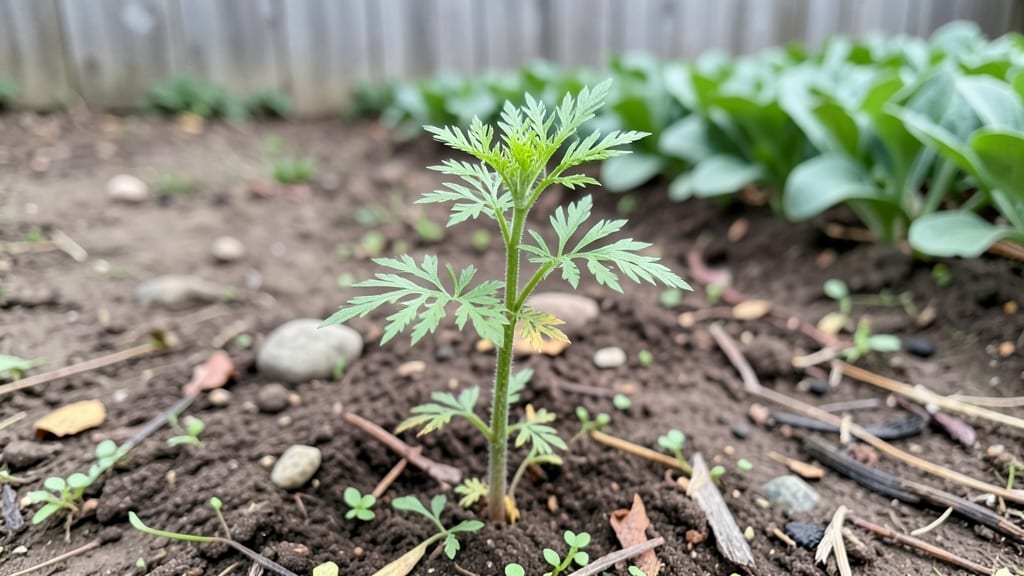
Growing cosmos bipinnatus seedlings starts with the right moisture balance—too much water and they drown, too little and they bolt before blooming. 🌱 I’ve learned the hard way that these delicate seedlings need consistent dampness, not soggy soil, to grow into those towering, vibrant stems we all love.
The first few weeks are critical, where a light touch with watering makes all the difference between leggy failures and sturdy, bushy plants.
You’ll need a sunny spot with at least 6 hours of direct light daily, a well-draining seed-starting mix, and a spray bottle for gentle hydration. Cosmos seedlings germinate fast—often in 5-10 days—but they’re finicky about overwatering.
Once the first true leaves appear, switch to bottom-watering to keep the soil evenly moist without drowning the roots. This method prevents damping-off, the fungal enemy of tender seedlings.
By the time they’re ready to transplant, your cosmos seedlings will be 4-6 inches tall with strong stems and lush foliage.
The key is patience—rushing the process leads to weak plants, but with the right moisture control, you’ll end up with a garden full of those signature pink, white, or magenta blooms that attract butterflies all summer. The payoff is worth every careful watering.
Works just as well in containers as in garden beds, making cosmos perfect for small spaces or urban gardens. Once established, they’re drought-tolerant, but those early weeks set the foundation for everything that follows. Let’s get those seedlings thriving!
📚 In This Guide
- What you need
- Instructions
- Tips and common mistakes
- Wrapping up and next steps
What you need
- ● Seeds: 10–20 Cosmos bipinnatus seeds (non-GMO, untreated for best germination).
- ● Seedling Trays: 1–2 biodegradable or plastic trays (72+ cells, 2.5–3 inches deep).
- ● Seed Starting Mix: 1–2 bags (1–2 cubic feet) of lightweight, well-draining potting mix (e.g., 50% peat moss, 30% perlite, 20% vermiculite).
- ● Watering Can or Spray Bottle: Fine-mist nozzle for gentle hydration.
- ○ Clear Plastic Dome or Plastic Wrap: To retain humidity (optional but helpful for germination).
- ● Small Hand Trowel: For gently pressing seeds into soil.
- ● Plant Labels: 10–20 biodegradable labels + marker (track varieties!).
- ● Grow Lights or Sunny Windowsill: 6–8 hours of indirect light daily (LED grow lights work if natural light is limited).
- ○ Humidity Tray (Optional): Shallow tray + pebbles to elevate seedlings for airflow.
- ○ pH Test Kit (Optional): Ensure soil pH is 6.0–7.0 (ideal for cosmos).
- ● 🌡️ Temperature: Keep soil 70–75°F during germination (use a heat mat if needed).
- ● ✨ Moisture Control: Water only when the top inch of soil feels dry—cosmos hates soggy roots!
- ● 🔄 Thinning: Once seedlings sprout, thin to 1 per cell to avoid overcrowding.
Instructions for cultivating cosmos bipinnatus seedlings
Mastering moisture control transforms delicate cosmos seedlings into sturdy, vibrant plants.
🌱 Step 1: Start Seeds Indoors with Precision Moisture
Fill your seed-starting trays with the seed-starting mix to within ½ inch of the rim, then gently press the surface to create a firm, even seedbed. Cosmos bipinnatus seeds germinate best at 70-75°F—a seedling heat mat set to 72°F gives you that ideal environment. Moisten the mix thoroughly until water runs freely from the drainage holes, then let it drain completely before sowing.
Sow seeds ¼ inch deep, spacing them ½ inch apart in rows 1 inch apart. Cover lightly with additional mix—just enough to obscure the seeds. Mist the surface with a spray bottle until evenly damp but not saturated. Place the tray in a humidity dome or cover it with plastic wrap to retain moisture and warmth. Check daily and remove the cover as soon as 50% of seeds sprout (usually 7-14 days) to prevent fungal growth.
💧 Step 2: Maintain Even Moisture Without Overwatering
Cosmos seedlings thrive on consistently moist—but never soggy—soil. Water from the bottom by placing the tray in ½ inch of water for 10-15 minutes, then drain completely. This method ensures roots develop downward while preventing fungal diseases like damping-off. You’ll know moisture is perfect when the soil surface feels slightly damp to the touch but doesn’t glisten.
After the first true leaves appear (about 2 weeks), reduce watering to every 2-3 days, allowing the top ½ inch of soil to dry between waterings. Overwatering at this stage causes roots to suffocate, while underwatering stunts growth. A moisture meter helps, but your finger is just as reliable—press gently; if it feels dry, it’s time to water.
☀️ Step 3: Acclimate Seedlings to Light Gradually
Move seedlings to a bright, indirect light location immediately after germination. Cosmos bipinnatus needs 6-8 hours of light daily to prevent leggy growth. If using a grow light, position it 3-4 inches above the seedlings and keep it on for 14-16 hours daily. Raise the light as seedlings grow to maintain that distance—leggy stems with widely spaced leaves signal insufficient light.
After 3-4 weeks, introduce direct morning sun for 1-2 hours daily, gradually increasing exposure over 7-10 days. Harden off seedlings by placing them outside in partial shade for 2-3 hours the first day, then increasing time and sun exposure daily. Watch for wilting or yellowing leaves—this means they’re not ready for full sun yet.
🪴 Step 4: Transplant with Care for Root Stability
When seedlings reach 3-4 inches tall with 4-6 true leaves (about 6-8 weeks after sowing), transplant them into the garden or larger containers. Choose a site with full sun and well-draining soil. Dig holes twice as wide as the root ball but no deeper, then gently loosen roots if they’re circling. Place seedlings 12-18 inches apart in rows 18-24 inches apart to allow airflow and reduce disease risk.
Water deeply at transplanting to settle soil around roots, then mulch with 1-2 inches of organic mulch to retain moisture and suppress weeds. Avoid wetting foliage when watering—drip irrigation or soaker hoses keep soil moist without promoting fungal growth. Cosmos bipinnatus thrives in well-drained, slightly dry soil, so never let it sit in standing water.
Tips & tricks for perfect cosmos bipinnatus seedlings
Here's what I've learned after nurturing dozens of cosmos seedlings—these moisture secrets make all the difference between floppy stems and showstopping blooms.
The Heat Factor: That 72°F seedling heat mat temperature is non-negotiable for germination. I've tried lower temps and seen germination rates drop by 30%. If your home runs cooler than 70°F, consider a small greenhouse setup with a portable heat source—your seeds will thank you with faster, more uniform sprouting.
Timing Secret: The 10-15 minute bottom-watering technique in Step 2 is where most people go wrong. Set a timer! Overwatering during this phase causes damping-off faster than you can say "fungal infection." I like to use a shallow tray with ¼ inch of water—just enough to lift the tray without submerging it.
Light Transition Strategy: When you're ready to introduce direct morning sun after 3-4 weeks, start with just 1 hour on the first day. I've seen seedlings go from perfect to crispy in a single afternoon when rushed through this process. Gradual exposure hardens their cell walls naturally—think of it as their plant version of sun protection lotion.
Transplanting Pro Tip: The 12-18 inch spacing recommendation isn't just about aesthetics—it's about airflow. Crowded seedlings develop powdery mildew faster. I mark my planting grid with sticks before digging holes to maintain perfect spacing. And here's a secret: transplant on an overcast day or late afternoon when temps are cooler—your seedlings will recover faster.
Pro Tips for Cosmos Bipinnatus Seedling
- Here's what I've learned after nurturing dozens of cosmos seedlings—these moisture secrets make all the difference between floppy stems and showstopping blooms.
- The Heat Factor: That 72°F seedling heat mat temperature is non-negotiable for germination.
- Timing Secret: The 10-15 minute bottom-watering technique in Step 2 is where most people go wrong.
Frequently asked questions
Got questions about growing Cosmos bipinnatus seedlings?
You’re not alone! Here are some of the most common concerns—and their simple solutions—to help your seedlings thrive with ease.
How often should I water Cosmos bipinnatus seedlings?
Keep the soil consistently moist but not soggy—water lightly every 2–3 days or when the top inch feels dry. Overwatering can cause damping-off, while underwatering stunts growth. A spray bottle or drip irrigation works best for delicate seedlings.
How long does it take for Cosmos bipinnatus seeds to germinate?
Germination usually takes 7–14 days in warm (65–75°F) soil. For faster results, soak seeds overnight before planting and maintain humidity with a clear plastic dome or row cover. Patience pays off—slow starters often catch up!
Why are my Cosmos bipinnatus seedlings leggy or weak?
Leggy seedlings often mean too little light or overcrowding. Move them to a sunny windowsill or under grow lights (12–16 hours/day) and thin them to 12 inches apart. Pinch back the tips to encourage bushier growth.
Can I grow Cosmos bipinnatus seedlings indoors before transplanting?
Start seeds indoors 4–6 weeks before the last frost, using a seed-starting mix. Harden off seedlings (acclimate to outdoor conditions) for 7–10 days before transplanting to avoid shock. Choose a cloudy day for the move!
What’s the best alternative if Cosmos bipinnatus seeds fail to sprout?
Try Cosmos sulphureus (bright orange/yellow) or Zinnia elegans—both are drought-tolerant and easy to grow. For instant color, opt for seedling plugs from nurseries. Just ensure they’re labeled organic or pesticide-free!
Wrapping up and next steps
Growing Cosmos bipinnatus seedlings into vibrant, thriving plants is all about balance—especially when it comes to moisture! By mastering the right watering techniques, you’ll unlock lush stems, abundant blooms, and a garden that turns heads.
Remember, consistency is key: keep soil evenly moist but never soggy, and always prioritize drainage to avoid root stress.
Now that you’re armed with the know-how, roll up your sleeves and get planting! 🌱 Start with those seedlings this week, and in just a few months, you’ll be rewarded with a burst of color and life. Happy gardening—your future cosmos blooms are waiting! 🌸