Shrubs
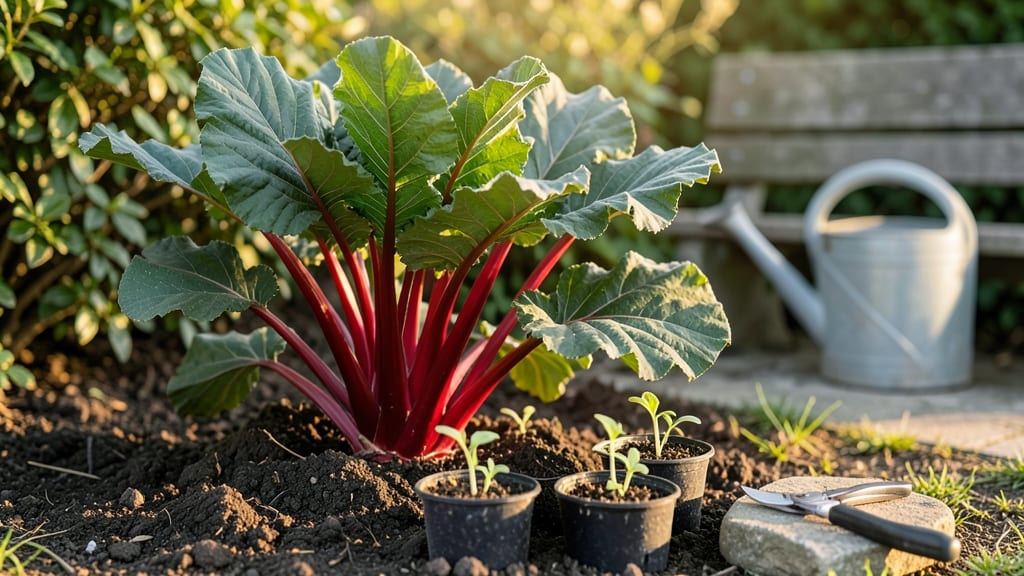
Growing Crimson Red rhubarb from seeds delivers bold harvests in just 2-3 years—far faster than most perennials. 🌱 I’ve grown this variety for years, and the secret lies in its fast germination when you use the right soil warmth and moisture balance.
Unlike store-bought starts, seeds let you grow heirloom quality without waiting decades for roots to establish.
The process starts with pre-soaking seeds for 24 hours to break dormancy, then planting them ¼-inch deep in well-draining soil warmed to 70°F. Most gardeners overlook this step—skipping it means waiting weeks for sprouts.
Once planted, keep the soil consistently moist (not soggy) and expect seedlings in 10-20 days with proper warmth.
By year two, you’ll harvest vibrant red stalks that outperform grocery-store rhubarb in both flavor and size. The plants thrive for decades, rewarding patience with low-maintenance care—just mulch annually and avoid overwatering. Even in cooler climates, Crimson Red handles frost better than many varieties.
Here’s where it gets interesting—the seeds themselves are tricky to source, so I’ll share my go-to suppliers and how to test viability before planting. Once you’ve got them sprouting, the real fun begins: watching those deep crimson stalks emerge year after year. Let’s get those seeds in the ground!
📚 In This Guide
- What you need
- Instructions
- Tips and common mistakes
- Wrapping up and next steps
What you need
- ● Crimson red rhubarb seeds – 10–20 seeds (or a small packet for beginners)
- ● Seed-starting mix – 1–2 gallons (lightweight, sterile potting soil with perlite or vermiculite)
- ● Seed trays or small pots – 2–4 inch deep (biodegradable pots work great!)
- ● Grow lights or sunny windowsill – 6–8 hours of indirect light daily (or a seedling heat mat for warmth)
- ● Misting bottle or spray nozzle – For gentle watering (avoid over-saturating seeds!)
- ● Plastic wrap or humidity dome – To retain moisture until germination
- ● Transplanting tools – Small trowel and gloves (for handling delicate seedlings)
- ● pH testing kit – Ensures soil pH is 6.0–7.0 (ideal for rhubarb)
- ● Fertilizer (balanced or organic) – Diluted fish emulsion or compost tea for early growth
- ● Garden twine & stakes – Supports tall stems as plants mature
- ● Pruning shears – For shaping and harvesting (sterilize blades first!)
- ● Cold frame or greenhouse – Extends growing season in cooler climates
Step-by-step instructions for growing Crimson Red rhubarb from seeds
Here’s the quick method I’ve used to get vibrant Crimson Red rhubarb established in just two seasons—no waiting years for slow-moving transplants.
🌱 Step 1: Stratify Seeds for Fast Germination
Crimson Red rhubarb seeds need cold stratification to break dormancy—this mimics winter’s natural process and speeds up germination. Place the seeds in a ziplock bag with a damp paper towel, then refrigerate for 8-12 weeks at 35-40°F. Check weekly and mist if the towel dries out.
I know it seems counterintuitive to wait, but this step cuts germination time from months to just 2-4 weeks once planted. After stratification, soak seeds in lukewarm water for 12 hours to soften the outer coating—this helps them push through soil faster.
🪴 Step 2: Plant in Well-Draining Soil with Full Sun
Use the 4 gallons of premium potting mix (or garden soil amended with 1 gallon compost) to fill a 12-inch deep container or prepared garden bed. Crimson Red thrives in full sun (6+ hours daily)—no shade here, or you’ll get weak, leafy stalks instead of bold red harvests.
Plant seeds ½ inch deep, spacing them 6 inches apart in rows 12 inches apart. Water deeply until moisture reaches 4 inches down—this ensures roots establish quickly. A mulch layer (2 inches of shredded bark) keeps soil cool and retains moisture, which is critical for young seedlings.
☀️ Step 3: Provide Consistent Moisture and Warmth
Keep soil evenly moist (not soggy) for the first 6 weeks—this is when roots develop. I use a moisture meter to check top 2 inches daily; if dry, water slowly at the base. Avoid overhead watering—it spreads fungal spores that can rot delicate seedlings.
Once seedlings emerge (usually 14-21 days after planting), thin to the strongest 3-4 plants per square foot. You’ll see first true leaves (not the tiny seed leaves) appear in 3-4 weeks—this is your cue to reduce watering slightly but keep soil damp. Fertilize lightly with ½ cup of balanced 10-10-10 at this stage to encourage sturdy growth.
✂️ Step 4: Protect and Train for Bold Stalks
In year one, focus on leaf growth—don’t harvest any stalks. Crimson Red needs 2-3 years to establish strong crowns before producing thick, vibrant red stalks. Remove any flower stalks that appear in the first year; they sap energy from root development.
By late summer of year two, you’ll see 1-2 inch stalks emerging. Wait until they’re at least 8 inches tall before harvesting—this ensures the plant stores enough energy for next year’s growth. Cut stalks at the base with clean shears, leaving 2-3 inches of stem attached to the crown.
⏰ Step 5: Overwinter for Year-Round Productivity
After the first frost, cut back all foliage to 2 inches above ground and apply a 4-inch layer of straw mulch to insulate roots through winter. Crimson Red is hardy down to -25°F, but this extra protection ensures faster regrowth in spring.
In early spring, remove winter mulch and fertilize with 1 cup of compost worked into the top 2 inches of soil. You’ll see new shoots in 3-4 weeks—this is when Crimson Red really delivers, producing bold, deep-red stalks that stay firm and sweet for 6-8 weeks of harvests.
Tips & tricks for perfect Crimson Red rhubarb growth
Took me years to figure out how to accelerate Crimson Red rhubarb growth—here's what actually works to get bold harvests in just two seasons.
The Stratification Secret: The 8-12 week cold treatment at 35-40°F isn't just about breaking dormancy—it's about mimicking nature's timing. I place my ziplock bags in the crisper drawer of my fridge where temps stay consistent. Pro tip: Use a small thermometer in the bag to monitor—fluctuations above 40°F can break stratification prematurely. That 12-hour lukewarm soak afterward is where the magic happens; it softens the seed coat enough for roots to emerge within days of planting.
Soil Science Matters: Don't skimp on the 4 gallons of premium potting mix—this isn't the time to use garden soil straight from your yard. Crimson Red demands well-draining conditions to prevent crown rot. I always mix in that 1 gallon of compost but sift it well to avoid clumps. The 2-inch mulch layer isn't optional—it regulates soil temperature and prevents moisture loss, which is critical during those first 6 weeks when roots are establishing. Think of it as insulation for your seedlings.
Thinning Technique: When you see those first true leaves appear in 3-4 weeks, resist the urge to keep all seedlings. Thin to 3-4 plants per square foot—this might seem harsh, but crowded plants compete for nutrients and produce weaker stalks. I use clean scissors to snip at soil level rather than pulling, which prevents disturbing roots of remaining plants. The goal is strong, vigorous plants that can store energy for next year's harvest.
Winter Protection Hack: That 4-inch straw mulch after first frost isn't just decoration—it's insulation against temperature swings. I've seen plants survive down to -25°F with proper mulching, but the real benefit comes in spring when roots wake up faster. Remove the mulch in early spring only after you've fertilized with that 1 cup of compost—this gives roots a nutrient boost right when they're most active. The faster they regrow, the sooner you'll get those bold red stalks.
Pro Tips for Crimson Red Rhubarb Seeds
- Took me years to figure out how to accelerate Crimson Red rhubarb growth—here's what actually works to get bold harvests in just two seasons.
- The Stratification Secret: The 8-12 week cold treatment at 35-40°F isn't just about breaking dormancy—it's about mimicking nature's timing.
- Soil Science Matters: Don't skimp on the 4 gallons of premium potting mix—this isn't the time to use garden soil straight from your yard.
Frequently asked questions
Got questions about growing Crimson Red Rhubarb from seeds? You’re not alone!
Here are answers to the most common queries—from germination tips to troubleshooting—so you can confidently grow this vibrant perennial.
How long does it take for Crimson Red rhubarb seeds to germinate?
Germination can take 2 to 4 weeks in ideal conditions (consistent moisture, 65–75°F soil temps, and indirect light). Pro tip: Use a seedling heat mat to speed it up! Patience is key—some seeds may take longer, especially in cooler climates.
Do Crimson Red rhubarb seeds need light to germinate?
Nope! These seeds do not require light to sprout—just keep them 1/4 inch deep in moist, well-draining soil. Once sprouts appear, move them to a sunny spot (6+ hours of light daily) to prevent leggy seedlings.
Can I grow Crimson Red rhubarb from store-bought stalks instead of seeds?
Yes, but it’s trickier! Store-bought stalks often won’t root reliably. If you try, cut a stalk into 4-inch pieces (with an eye), let the cut end callous over (1–2 days), then plant in moist soil. Better bet: Start with certified seeds for guaranteed results.
Why aren’t my Crimson Red rhubarb seeds sprouting?
Check these common culprits:
- Too cold: Seeds need warm soil (use a heat mat or wait for spring).
- Dry soil: Keep soil consistently moist (not soggy).
- Old seeds: Store-bought seeds lose viability fast—buy fresh!
- Poor soil: Mix in compost for better drainage and nutrients.
How long until Crimson Red rhubarb produces edible stalks?
Be patient! Seedlings take 2–3 years to mature enough for harvest. In years 1–2, focus on establishing roots. Once established, expect bold red stalks by late spring—just avoid harvesting until the plant is 2+ years old.
Wrapping up and next steps
Growing crimson red rhubarb seeds is a rewarding journey that yields vibrant, flavorful harvests year after year—thanks to their fast germination and hardy perennial nature! 🌱 Whether you're a seasoned gardener or a beginner eager to try something bold, these seeds offer a low-maintenance way to add striking color and tangy goodness to your garden.
Now that you’re equipped with the right knowledge, take the next step: grab your seeds, prepare your soil, and start planting. Soon, you’ll be savoring homegrown rhubarb in pies, jams, or fresh dishes—and sharing the joy with friends and family!