
Planting
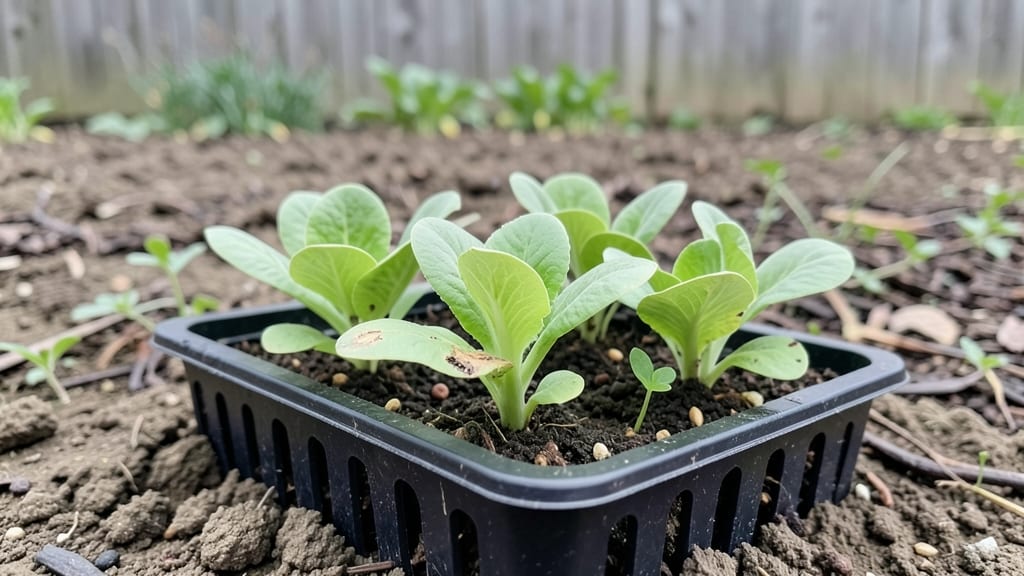
This method lets you nurture plants from their earliest stages right where they'll thrive, cutting out the middleman of nursery pots. 🌱 The key to success lies in matching seed types to their ideal conditions—whether that means warm soil for tomatoes or cool, moist earth for leafy greens.
Many gardeners swear by this approach because it builds stronger root systems and often yields healthier plants compared to store-bought seedlings.
For best results, I always check seed packets for specific instructions, as some varieties need special treatments like soaking or scarification to break dormancy. The timing window matters too—planting too early can expose tender sprouts to frost, while waiting too long might mean shorter harvests for seasonal crops.
💡 In This Article
- Seed Germination Science and Optimal Conditions
- Seasonal Sowing Timing Guide by Plant Type
Seed germination science and optimal conditions
The germination process begins with imbibition, where seeds absorb water through their seed coat, swelling as much as 50-100% of their original size. This triggers metabolic activation, breaking dormancy and initiating cell division.
The radicle (embryonic root) emerges first, typically within 3-14 days depending on species, followed by the shoot. For example, fast germinators like radishes may sprout in 4-5 days, while slower varieties like beans can take 7-14 days.
Temperature acts as a critical regulator—most seeds germinate best within a 60-85°F range, but some have specific needs. Cool-season crops like lettuce thrive at 55-65°F, while warm-season plants such as peppers require 75-90°F.
Soil that's too cold (50°F) slows germination, while excessive heat (>95°F) can kill embryos. Moisture is equally vital; seeds need consistent dampness (not soggy) to avoid fungal growth, with 1-2 inches of water in the topsoil being ideal.
Light exposure plays a surprising role—some seeds (photoblastic types) need darkness to germinate, like petunias, while others, such as spinach, require light to trigger sprouting. Seed coatings (like those on pelleted seeds) can block light, so adjust planting depth accordingly: 2-3 times the seed's width for most varieties.
Stratification (mimicking winter chilling) is essential for seeds like apples or maples, which need 60-90 days at 34-41°F to break dormancy.
What most gardeners overlook is the oxygen requirement—seeds suffocate in compacted or waterlogged soil. Loose, well-aerated soil ensures roots can access both water and air. For instance, carrots need fine, sandy loam to prevent forked growth, while beans tolerate heavier clay.
Testing soil pH (ideal: 6.0-7.0) also matters—acid-loving blueberries need 4.5-5.5, while most vegetables prefer neutral soil.
Here's what's actually happening at the cellular level: Water activates enzymes that break down stored starches into sugars, fueling growth. The radicle grows downward due to gravitropism, while the shoot curves upward via phototropism.
This dual response ensures the seedling reaches light while anchoring roots. For example, a tomato seed's radicle may grow 1/4 inch/day under ideal conditions, while the shoot emerges within 7-14 days.
Pro tip: Use a seedling heat mat (70-75°F) for slow starters like okra, or a moist paper towel method to test viability before sowing. Monitor soil temperature with a soil thermometer—consistency matters more than occasional spikes. 🌱