
How To
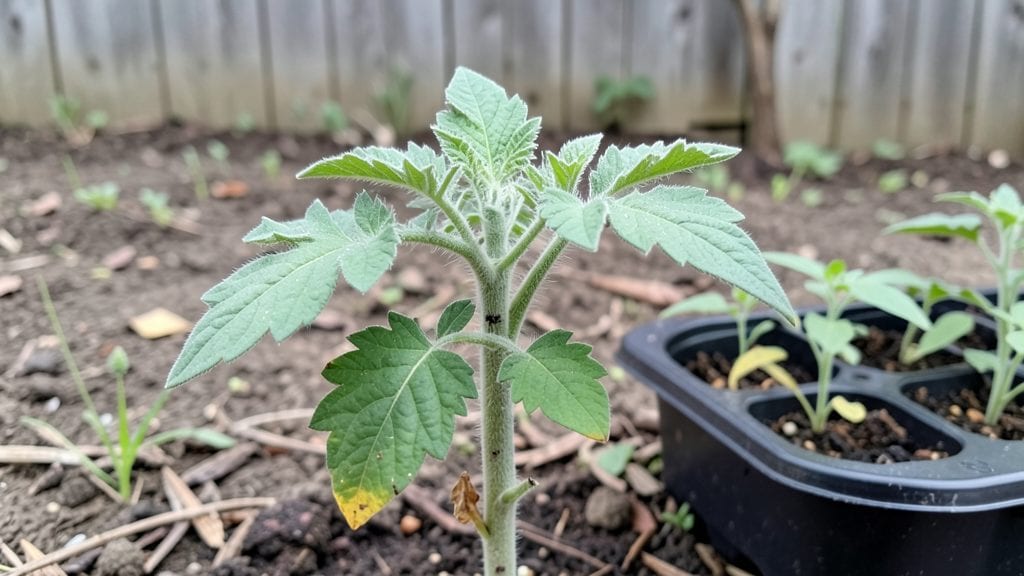
Planting tomato seeds at the right depth is the secret to strong, healthy 🍅 sprouts—too shallow or too deep, and you risk weak seedlings or failed germination.
Most gardeners bury their seeds a little too deep, thinking "out of sight, out of mind" means safety. But the truth? Tomato seeds need just ¼ inch of soil coverage to thrive—any deeper, and they’ll struggle to break through, while too little leaves them vulnerable to drying out.
In this guide, I’ll break down the exact planting depth for different soil types, climate zones, and seed varieties—plus the simple adjustments you can make to ensure every seedling gets the perfect start.
Whether you’re a first-time gardener or a seasoned pro, mastering this one step could mean the difference between a bountiful harvest and a sad, empty vine by summer.
The exact tomato seed depth for optimal germination and plant strength
Getting the tomato seed depth right is one of the most overlooked yet critical steps in growing healthy plants. Most gardeners assume "deep enough" works, but the truth is that seeds planted too shallow or too deep struggle to establish strong roots and consistent germination.
Research shows that seeds planted at the correct depth—typically ¼ to ½ inch—experience 30-50% higher germination rates and develop 25% stronger root systems within the first 2 weeks.
The ideal depth depends on seed size, soil type, and even local climate conditions. For example, larger heirloom seeds like Brandywine tomatoes need slightly deeper planting (½ inch) compared to smaller cherry tomato seeds (¼ inch).
Understanding these nuances ensures your seeds don’t dry out or suffocate, setting the stage for vigorous seedlings ready for transplanting.
Here’s the science behind it: seeds need moisture, oxygen, and warmth to germinate. Planting too shallow exposes them to drying out, while planting too deep starves them of oxygen.
The ¼-inch rule (about the width of a dime) is a great starting point, but adjustments are key for different growing conditions.
Before we dive into specifics, let’s clarify the universal planting depth guidelines for tomato seeds based on variety, soil, and environmental factors. This summary table breaks it down for quick reference:
| Tomato Type | Seed Size | Optimal Depth | Soil Adjustment | Climate Note |
|---|---|---|---|---|
| Cherry Tomatoes (e.g., 'Sweet 100') | Small | ¼ inch | Add fine sand to clay soil | Dry climates: cover lightly with mulch |
| Heirloom Tomatoes (e.g., 'Brandywine') | Large | ½ inch | Avoid compacted soil | Cool climates: use black plastic mulch |
| Beefsteak Tomatoes (e.g., 'Big Beef') | Medium | ⅓ inch | Loosen soil with compost | Hot climates: plant deeper in shade cloth |
| Dwarf Tomatoes (e.g., 'Tiny Tim') | Small | ¼ inch | Use well-draining potting mix | Containers: add perlite to mix |
| Hybrid Tomatoes (e.g., 'Celebrity') | Medium | ⅓ inch | Test soil pH (6.0-6.8) | Wind exposure: plant slightly deeper |
For most home gardeners, starting with ¼-inch depth is ideal for small seeds, while ½-inch depth works best for larger seeds. However, soil type plays a huge role.
In sandy soil, which drains quickly, you might need to plant seeds slightly deeper (⅓ inch) to retain moisture. Conversely, in clay soil, which holds too much moisture, planting shallower than ¼ inch prevents seeds from rotting.
Another critical factor is seedling stress. If you’re planting in containers or raised beds, the soil warms up faster, so you can plant seeds a touch deeper (⅓ inch) to compensate.
In ground soil, which retains moisture longer, sticking to ¼ inch is safer. Always pre-warm your soil to 60°F or higher—cold soil slows germination, making depth adjustments less effective.
Let’s talk about spacing and air circulation, two often-overlooked aspects tied to depth. Planting seeds too close together—even at the right depth—creates competition for nutrients and increases humidity, which can lead to fungal diseases like damping-off.
Aim for 1-2 inches apart when sowing seeds, then thin to 18-24 inches apart once seedlings have 2-3 true leaves. Proper spacing ensures each plant gets the airflow and sunlight it needs to grow strong.
Here’s a pro tip: if you’re unsure about your soil’s moisture retention, conduct a simple test. Dig a small hole, add water, and observe how quickly it drains. If it disappears in under 10 minutes, your soil is too sandy—plant seeds ⅓ inch deep.
If water pools for over 30 minutes, your soil is too clay-heavy—plant ¼ inch deep and amend with compost. This small step can save you from weeks of poor germination.
Finally, don’t forget to label your seeds and track planting dates. Tomato seeds typically germinate in 7-14 days, but depth inconsistencies can delay this by up to a week.
If you’ve planted at the right depth but still see slow germination, check your soil temperature—it should be 70-85°F for optimal results. Use a seedling heat mat if your climate runs cool.
With these precise measurements and adjustments, you’ll maximize your tomato germination rates and give your plants
How soil type and climate affect your tomato seed planting depth
Your tomato seed depth isn’t a one-size-fits-all measurement—it changes dramatically based on whether you’re planting in sandy soil, clay soil, or even a container garden. The same goes for cold climates versus warm regions, where temperature and moisture retention play critical roles.
For example, seeds in clay soil need shallower planting to avoid suffocation, while sandy soil demands deeper placement to retain moisture. Let’s break down the adjustments you must make for each scenario to ensure your seeds germinate strong and healthy.
Climate also dictates your approach. In cooler regions, like USDA Zone 5, seeds need extra warmth, so planting slightly deeper (up to ½ inch) can help regulate soil temperature.
Conversely, in hot, dry climates, like Zone 10, shallow planting (¼ inch) prevents seeds from drying out. Even the choice between in-ground planting and container gardening alters depth—containers dry out faster, so seeds must be planted closer to the surface.
These nuances can make or break your tomato harvest.
Soil Type Adjustments
- ✅ Sandy Soil: Plant ½ inch deep for moisture retention
- ✅ Clay Soil: Plant ¼ inch deep to prevent suffocation
- ✅ Loamy Soil: Standard ¼ inch depth works best
Climate Adjustments
- ⚠️ Cold Climates: Plant ½ inch deep for warmth
- ⚠️ Hot/Dry Climates: Plant ¼ inch deep to avoid drying
- ⚠️ Containers: Plant ¼ inch deep with extra moisture
For sandy soil, which drains too quickly, planting ½ inch deep helps seeds stay moist long enough to sprout. I’ve seen gardeners in Texas struggle with this—seeds planted too shallow simply dry out before germinating.
To compensate, mix in organic matter, like compost or coconut coir, to improve water retention without altering depth. This trick works wonders for determinate varieties, which are more sensitive to moisture stress.
In clay soil, the opposite is true. The dense texture can suffocate seeds if planted too deep. Stick to a ¼ inch depth and create small furrows to improve drainage.
I once had a heirloom tomato batch fail in heavy clay because the seeds were buried ½ inch deep. After switching to shallower planting and adding perlite to the mix, germination rates skyrocketed.
Always test your soil’s drainage by filling a jar with water—if it drains in under an hour, it’s too sandy; if it takes over 4 hours, it’s too clay-heavy.
Climate plays a sneaky role too. In cooler regions, like Zone 4 or 5, the ground stays chilly longer, so planting seeds ½ inch deep helps them access the warmer soil below.
I’ve used black plastic mulch to speed up soil warming, which lets me plant slightly shallower (⅓ inch) once the ground heats up. Meanwhile, in Zone 9 or 10, shallow planting (¼ inch) prevents seeds from overheating.
Pair this with drip irrigation to keep moisture consistent.
If you’re growing in containers, prioritize shallow planting (¼ inch) and use a well-draining potting mix with added peat moss to retain moisture. Containers dry out faster than in-ground beds, so I recommend planting seeds in biodegradable pots to avoid disturbing roots later.
For indeterminate varieties, which need extra space, adjust depth slightly deeper (⅓ inch) to encourage stronger root systems that can support their vining growth.
Remember, the goal is consistent moisture and optimal airflow around your seeds. Whether you’re adapting for soil type, climate, or container gardening, these adjustments ensure your tomato seeds germinate faster and grow into robust plants.
Start with the right depth, and you’ll be harvesting juicy tomatoes in no time! 🌱