
Watering
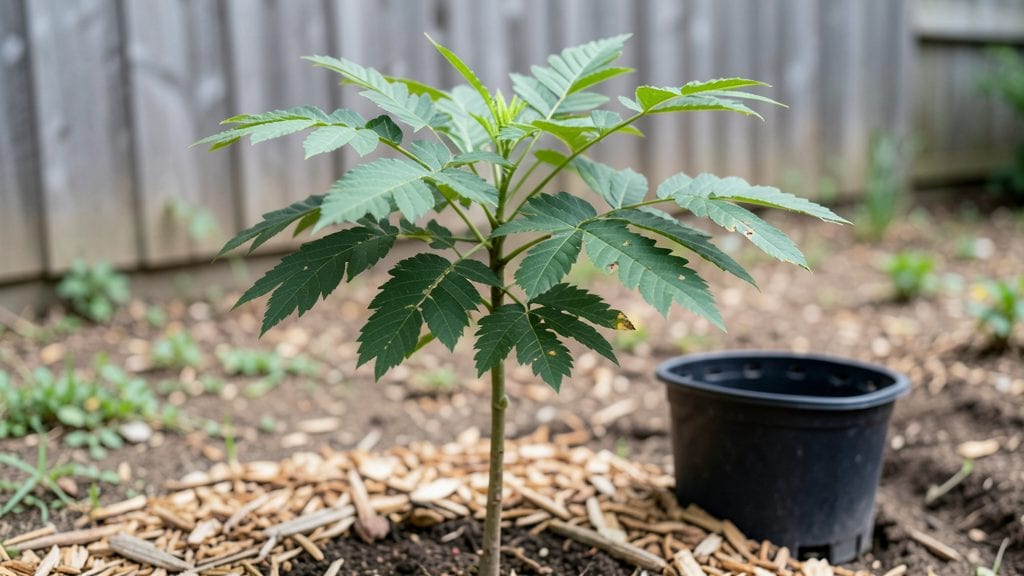
Growing a Delonix regia seedling from scratch means you’ll soon have a tree that bursts with fiery orange blooms year-round—if you nail the first few months. 🌿 I’ve watched these seedlings transform from fragile sprouts into sturdy tropical giants, and the key to success starts with the right soil, patience, and a watchful eye for early signs of stress.
The first 30 days are critical: your seedling needs warmth (75–85°F), bright indirect light, and soil that stays moist but never soggy. Too much water causes damping-off, while too little stunts growth.
I’ve lost seedlings to both—don’t let that happen to yours. A humidity dome or plastic wrap over the pot keeps roots happy while they establish.
By month 3, you’ll see real progress—thicker stems, glossy leaves, and maybe even the first hint of that signature flame-shaped bud. That’s when you can ease up on the watering and introduce morning sun to harden the plant.
With consistent care, your seedling will reward you with blooms in just 2–3 years, turning your yard into a tropical paradise.
This works best in zones 10–11, but container growers in cooler climates can keep them alive indoors with grow lights. The secret? Mimic the tropics—warmth, humidity, and bright light—no matter where you live. Let’s get those seeds sprouting!
📚 In This Guide
- What you need
- Instructions
- Tips and common mistakes
- Wrapping up and next steps
What you need
- ● Delonix regia seeds: 2–5 mature, viable seeds (harvested from healthy pods).
- ● Seed-starting mix: 1–2 gallons of well-draining, sterile potting soil (e.g., cactus/succulent mix or 50% perlite/50% peat moss).
- ● Containers: Small pots (4–6 inches deep) for germination (2–3 pots).
- ● Larger nursery pots (10–12 inches) for seedlings (1–2 pots).
- ● Watering can: With a fine rose nozzle for gentle hydration.
- ● Spray bottle: For misting seeds during germination.
- ○ Humidity dome or plastic wrap: To retain moisture (optional but helpful).
- ● Grow lights or sunny windowsill: Bright, indirect light (6+ hours/day).
- ○ Gloves: To handle seeds and soil safely (optional but recommended).
- ● Trowel or small shovel: For transplanting seedlings.
- ● pH testing kit: To ensure soil pH is 6.0–7.0 (ideal for germination).
- ● Fertilizer: Balanced liquid fertilizer (e.g., 10-10-10) for seedlings (use sparingly!).
- ● Pruning shears: For trimming leggy seedlings later.
- ● Patience & warmth: Delonix regia seeds thrive in 70–85°F (21–29°C) conditions!
- ● Seedling heat mat (for faster germination).
- ● Automatic self-watering system (for consistent moisture).
- ● Mulch (e.g., coconut coir) to retain soil moisture.
- ● Trellis or support stake (for early growth guidance).
Step-by-Step instructions for growing a Delonix regia seedling
Here's how to nurture your flame tree from seed to a thriving tropical beauty.
🌱 Step 1: Start Seeds in a Warm, Humid Environment
Delonix regia seeds need warmth to germinate—place them in a 75-85°F environment, like a sunny windowsill or under a grow light. I use a small plastic container with a lid to trap moisture, which is critical for these tropical seeds. Fill the container with 2-3 inches of well-draining potting mix, press it down lightly, and plant seeds ½ inch deep.
Keep the soil consistently moist but never soggy—water when the top inch feels dry to the touch. Germination can take 2-4 weeks, so patience is key. You'll know it's working when you see the first tiny green shoot pushing through the soil.
☀️ Step 2: Provide Bright, Indirect Light for Early Growth
Once seedlings emerge, move them to a spot with bright, indirect light for the first few weeks. Direct sun can scorch young leaves, so a south-facing window with sheer curtains works well. If you're using a grow light, keep it 6-12 inches away to avoid burning the delicate sprouts.
Watch for leggy growth—a sign the seedlings need more light. If stems stretch too tall or leaves pale, adjust the light source immediately. Strong seedlings will have sturdy stems and deep green leaves within 4-6 weeks.
🪴 Step 3: Transplant to Individual Pots When Ready
When seedlings reach 3-4 inches tall and have developed their first true leaves, it's time to transplant them into 4-inch pots. Gently remove them from the container, being careful not to damage the roots. Fill the new pots with fresh potting mix, making sure the soil is well-draining to prevent root rot.
Plant each seedling at the same depth it was growing before, and water lightly to settle the soil. Place the pots in a warm, sunny spot but avoid harsh afternoon sun until the seedlings adjust. You'll notice new growth within 2-3 weeks as they establish themselves.
✂️ Step 4: Prune and Train for a Strong Structure
Once your Delonix regia seedlings are 6-12 inches tall, it's time to shape them. Pinch back the tips of the main stems to encourage bushier growth—this prevents the tree from becoming too leggy. Remove any yellow or damaged leaves immediately to keep the plant healthy.
If you want a single-trunk tree, choose the strongest stem and prune the others at the base. For a fuller look, allow multiple stems to grow. Water deeply once a week, ensuring the soil stays moist but not waterlogged.
🌿 Step 5: Transition to Outdoor Conditions Gradually
After 6-8 weeks of indoor growth, your seedling is ready for outdoor life. Start by placing it in a sheltered spot for a few hours a day, gradually increasing exposure over 2-3 weeks
Once fully hardened off, plant your Delonix regia in a permanent spot with full sun exposure and well-draining soil. Mulch around the base to retain moisture and protect the roots. With proper care, you'll see vibrant blooms in 3-5 years.
Tips & tricks for growing a healthy Delonix regia seedling
Transforming Delonix regia seeds into a thriving flame tree takes patience and attention to detail—here's how to optimize each growth stage.
Temperature and Humidity Control: Maintaining that 75-85°F range is crucial during germination. If your home runs cooler, consider using a seedling heat mat underneath the container. I've found that placing the container on top of a refrigerator (not inside) creates a natural warm spot. For extra humidity, place a tray of water with pebbles underneath—just make sure the container isn't sitting in standing water. The goal is to mimic the tropical conditions these seeds need to sprout.
Lighting Strategy for Early Growth: In Step 2, when you're providing bright indirect light, watch for the 6-12 inch distance rule with grow lights. Too close and you'll scorch those delicate sprouts; too far and they'll stretch leggy. I rotate my seedlings every few days to ensure even growth. If you notice leaves turning pale or stems elongating too quickly, it's time to move them closer to the light source. Remember, these tropical beauties need plenty of light but can't handle direct sun yet.
Transplanting Technique: When you reach Step 3 and transplant to 4-inch pots, use your finger to gently loosen the soil around the roots before transferring. This prevents root shock and encourages new root growth. I always water the new pots thoroughly before planting to help settle the soil around the roots. After transplanting, place the pots in a bright spot but avoid harsh afternoon sun for the first week—they're still adjusting to their new home.
Pruning for Stronger Growth: In Step 4, when pinching back those 6-12 inch seedlings, focus on the tips of the main stems just above a set of leaves. This encourages bushier growth by stimulating side branches. I've found that removing any yellow leaves immediately prevents disease and helps the plant focus its energy on new growth. For a single-trunk tree, choose the strongest stem early—once it's established, it's harder to change the structure.
Pro Tips for Delonix Regia Seedling
- Transforming Delonix regia seeds into a thriving flame tree takes patience and attention to detail—here's how to optimize each growth stage.
- Temperature and Humidity Control: Maintaining that 75-85°F range is crucial during germination.
- Lighting Strategy for Early Growth: In Step 2, when you're providing bright indirect light, watch for the 6-12 inch distance rule with grow lights.
Frequently asked questions
Got questions about nurturing your Delonix regia (flamboyant tree) seedling? You’re in the right place! Here are answers to the most common queries—from timing to troubleshooting—to help your tropical beauty thrive.
How long does it take for a Delonix regia seedling to bloom?
A Delonix regia seedling typically takes 3–5 years to produce its iconic orange-red flowers, depending on growing conditions. Patience is key! Ensure full sun (6+ hours daily), well-draining soil, and consistent watering (but avoid overwatering) to speed up maturation. Pro tip: Fertilize lightly with a balanced 10-10-10 mix in spring to boost growth!
Can I grow a Delonix regia from seed, or should I buy a seedling?
While you can grow from seed (germination takes 2–4 weeks in warm soil), buying a 1–2-year-old seedling is easier. Seeds may take years to bloom, whereas seedlings skip the slow start. If you’re committed, soak seeds overnight to soften the hard shell—then plant ½-inch deep in sandy, well-draining soil.
How often should I water a Delonix regia seedling?
Water deeply but infrequently: 1–2 times per week for young seedlings (check soil moisture—top 2 inches should dry out). Overwatering causes root rot! As the tree matures, reduce frequency to once every 10–14 days (unless in extreme heat). Mulch around the base to retain moisture and regulate temperature.
Why aren’t my Delonix regia leaves turning green?
Yellow or pale leaves often signal overwatering, poor drainage, or nutrient deficiency. Check soil moisture and ensure pots/seeds have drainage holes. Feed with a citrus-specific fertilizer (high in nitrogen) every 2–3 months. If leaves curl, it may be underwatering or pest stress (like spider mites). Isolate and treat with neem oil if needed.
Is Delonix regia cold-hardy? Can I grow it indoors?
Native to tropical climates, Delonix regia seedlings thrive in USDA Zones 10–12 (below 30°F, they’ll die back). For indoor growth, place near a south-facing window with supplemental grow lights (12+ hours/day). If outdoors, move pots indoors before winter or protect with burlap wraps. Note: It’s a large tree—ensure 30+ feet of space for mature growth!
Wrapping up and next steps
Growing a Delonix regia seedling into a vibrant, blooming tropical tree is a rewarding journey filled with patience and care! By understanding its unique growth timeline—from germination to those stunning flamboyant flowers—you’re well on your way to creating a stunning centerpiece for your garden. 🌺✨
Now that you’re armed with watering tips, soil needs, and troubleshooting advice, it’s time to roll up your sleeves and take the next step. Start by planting your seedling in a sunny spot, and watch as it transforms into a breathtaking focal point year after year. Happy gardening!