Vegetables
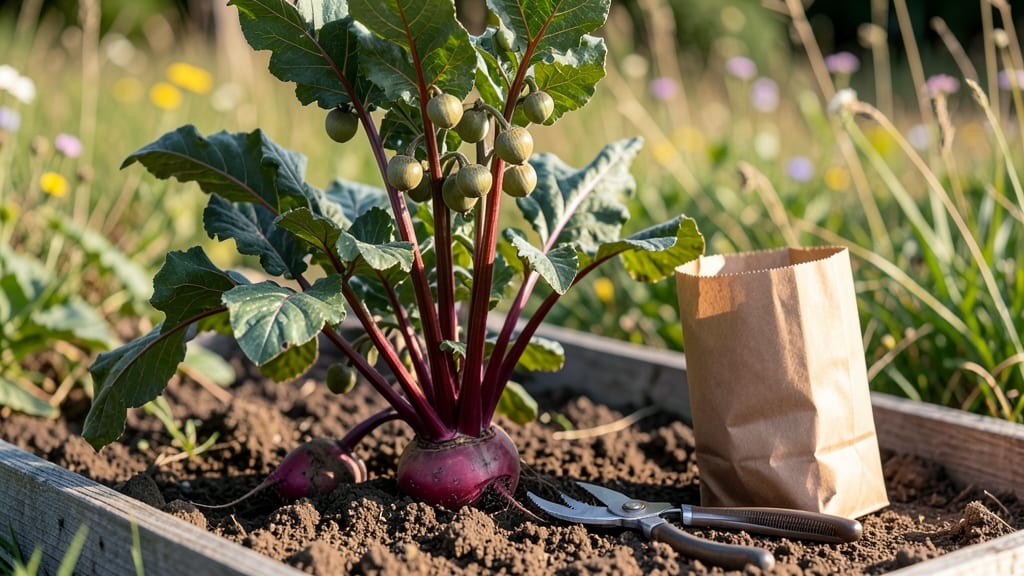
Harvesting beetroot seeds from your garden is easier than you think—and doing it right means 90% germination rates instead of wasted effort.
Struggling to get your beetroot plants to produce viable seeds? Timing is everything—harvesting at the wrong stage can mean poor germination or wasted effort. One year, I missed the window and ended up with seeds that sprouted like half the batch refused to grow.
This guide breaks down exactly when to harvest (after those flowers wilt and turn brown), how to tell when seeds are ready, and the simple drying tricks that save you from moldy batches.
By the end, you’ll know the three key signs of perfect seeds, the best storage methods, and how to avoid the mistakes that turn your harvest into dust.

When to harvest beetroot seeds for optimal germination rates
Harvesting beetroot seeds at the right time ensures high germination rates and saves you from wasted effort. Beetroot plants go through a bolting phase where they produce flowers, and this is your window for seed collection.
If you harvest too early, seeds won’t be viable; too late, and they may scatter or lose viability. Understanding the visual cues and timing factors is key to success.
Beetroot plants typically bolt in late summer (July-August in most climates) after producing edible roots. Once flowers appear, they’ll wilt and form seed pods. These pods are your target for harvesting. The challenge is catching them at the perfect stage—when they’re fully dry but haven’t split open yet.
Climate plays a huge role in timing. In cooler regions (USDA Zones 3-5), seed pods may take longer to mature, while warmer climates (Zones 7-10) can dry them out faster. Varieties like 'Detroit Dark Red' or 'Chioggia' bolt reliably, but always monitor your plants closely for visual readiness.
Here’s the critical timeline for harvesting beetroot seeds:
| Stage | Visual Cues | Action | Timing |
|---|---|---|---|
| Flowering | Bright yellow flowers appear; plants stop producing roots. | Allow flowers to wilt naturally; avoid pruning. | Late summer (July-August) |
| Seed Pod Formation | Green pods form; flowers turn brown and dry. | Monitor pods daily for color changes. | 2-3 weeks after flowering |
| Optimal Harvest | Brown, brittle pods that rattle when shaken. | Harvest pods before they split. | Late August-September |
| Overripe Stage | Pods split open; seeds scatter or lose viability. | Avoid harvesting at this stage; seeds won’t germinate well. | Late September-October |
The optimal harvest window is when seed pods turn brown and papery. At this stage, you’ll hear seeds rattle inside when you shake the pods gently. This indicates they’re fully mature and ready for collection.
If you wait too long, pods will crack open, and seeds may scatter or be lost to birds and insects.
Harvesting too early is just as problematic. Green pods contain underdeveloped seeds that won’t germinate. These seeds are often soft and moist, lacking the hard outer coating needed for long-term storage. Always prioritize pod color and texture over calendar dates—your local climate dictates the exact timing.
Different beetroot varieties may have slight variations in bolting and seed maturation. For example, 'Golden Beet' varieties might bolt earlier than 'Bull’s Blood', which is known for its deep red foliage.
Always observe your specific variety’s growth patterns and adjust your harvesting schedule accordingly. Keeping a garden journal helps track these differences year over year.
If you’re in a humid climate, seed pods may take longer to dry on the plant. In these cases, consider harvesting pods slightly earlier (when they’re 70% dry) and finishing the drying process indoors.
Conversely, in arid regions, pods dry out quickly, so harvest them as soon as they turn brown to prevent scattering.
One common mistake is assuming all beetroot plants will produce seeds. Some varieties are bred specifically for root production and may not bolt reliably. If you’re saving seeds for future planting, choose heirloom or open-pollinated varieties like 'Detroit Dark Red' or 'Luttrellia', which are known for consistent seed production.
Once you’ve identified the perfect pods, act quickly to preserve seed viability. Delaying harvest beyond the optimal stage can reduce germination rates by up to 50%. Store harvested pods in a cool, dry place for 1-2 weeks to complete drying before processing the seeds for long-term storage.
Step-by-step process for collecting and storing beetroot seeds
Saving beetroot seeds is a rewarding way to preserve heirloom varieties and ensure next year’s harvests thrive. Once your beetroot plants bolt and produce flowers, the journey to viable seeds begins—but only if you follow the right steps.
The key lies in proper drying and storage conditions, which directly impact germination rates. Skipping these steps can lead to moldy seeds or poor sprouting, wasting months of effort.
Before diving in, gather your tools: a pair of clean scissors or pruners, paper bags or envelopes for drying, and a cool, dark storage space. You’ll also need patience—rushing the drying process is a common mistake that reduces seed viability.
Let’s walk through the exact process to maximize your chances of success.
How to Harvest and Store Beetroot Seeds
-
Step 1: Identify Mature Seed Pods
Wait until seed pods turn brown and brittle, typically 60–90 days after flowering. Gently squeeze a pod—if it cracks open and seeds rattle inside, it’s ready. Harvest pods before they split on the plant to avoid seed loss.
-
Step 2: Harvest Pods Carefully
Use clean scissors to snip pods from the stem, leaving a small stalk attached. Avoid damaging pods, as bruises can introduce mold or rot. Place pods in a paper bag with the opening facing down to allow airflow.
-
Step 3: Choose a Drying Method
Air-drying (recommended): Hang pods upside-down in a dry, shaded spot (70–75°F) for 2–3 weeks. Oven-drying (faster): Spread pods on a baking sheet at 140°F (60°C) for 1–2 hours, checking frequently to avoid overheating.
-
Step 4: Clean and Separate Seeds
Once pods are completely dry, crush them gently with your fingers or a mortar and pestle to release seeds. Sift through debris using a fine mesh sieve, discarding chaff and empty pods. Store seeds in paper envelopes labeled with the variety and harvest date.
-
Step 5: Store Seeds Properly
Place dried seeds in an airtight container with a silica gel packet to absorb moisture. Store in a cool (32–41°F), dark place like a fridge or seed vault. Test germination annually—seeds typically stay viable for 3–5 years under ideal conditions.
Never store seeds in the freezer unless you’re preserving them long-term for research, as temperature fluctuations can damage viability. Always label your containers with the harvest year and variety name to avoid confusion. For example, I label mine with “Detroit Dark Red – 2024” to track performance across seasons.
If you notice musty smells or green mold during storage, discard the batch immediately—this signals contamination. Humidity is the enemy of seed longevity, so prioritize low-moisture environments above all else. With these steps, your beetroot seeds will be ready to plant next spring with confidence.
Pro tip: Test a small batch of seeds by planting them in moist paper towels for 5–7 days. If 70%+ sprout, your storage method is working perfectly. Happy seed-saving!