
Trees
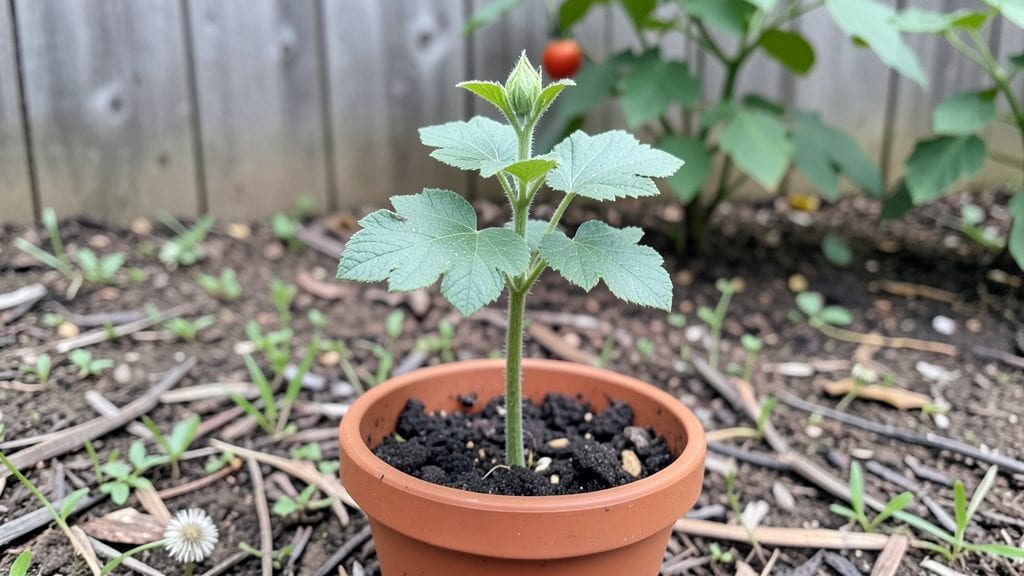
The identification of a hollyhock seedling early saves you from weeding out your future garden giants—those first leaves look like tiny maple leaves, lobed with jagged edges, while the bright green stems stand out against weeds.
I’ve pulled up enough "hollyhocks" that turned out to be lamb’s quarters, and I’ll never forget the heartbreak of losing a prized variety to misidentification.
The key is timing—seedlings emerge in spring with those distinctive leaves, but they’ll bolt into tall, sturdy stems by summer if you give them space. You’ll want 3-4 true leaves before transplanting, usually 4-6 weeks after sowing, depending on your zone.
A gentle tug test (roots should slide out cleanly) tells you they’re ready to move to their permanent spot.
Once you spot them, you’ll recognize hollyhocks by their woolly stems and the way they grow in tight clusters. These aren’t fussy plants—they thrive in full sun or partial shade, and their velvety foliage makes them stand out even among weeds.
The earlier you identify them, the sooner you’ll be enjoying those towering blooms that hummingbirds adore.
Here’s the thing—if you wait too long, those seedlings turn into weeds themselves. Transplant on a cool, overcast day to reduce stress, and keep an eye out for rust-colored spots on leaves, which signal disease.
With the right ID skills, you’ll go from nervous newbie to confident grower in no time.
📚 In This Guide
- What you need
- Instructions
- Tips and common mistakes
- Wrapping up and next steps
What you need
- ● Hollyhock seedlings – Healthy, young plants (1–3 inches tall) for inspection.
- ● Magnifying glass – A 2x–4x magnification lens to examine fine details like leaf texture and vein patterns.
- ● Ruler or measuring tape – To check seedling height and leaf dimensions (standard 12-inch tape measure works great!).
- ● Notebook and pen – For jotting down observations like stem color, leaf shape, and growth patterns.
- ● Camera or smartphone – To capture close-ups of leaves, stems, and overall seedling structure for reference.
- ● Garden shears or pruners – Small, sharp pruners for safely trimming leaves or stems if needed (sterilize with rubbing alcohol!).
- ○ Gloves (optional but recommended) – Lightweight gardening gloves to protect hands from sap or prickly stems.
- ● Field guide or plant ID app – Apps like PlantNet or iNaturalist can cross-reference your findings.
- ● Grow light or bright lamp – For better visibility when inspecting seedlings indoors.
- ● Moisture meter – To check soil hydration, which can affect leaf color and health.
- ● Reference images – Print or save high-res photos of hollyhock seedlings (especially Alcea rosea varieties) for comparison.
How to identify hollyhock seedlings by leaf and stem characteristics
Hollyhock seedlings reveal their identity early—here’s how to spot them before they grow tall.
Examine Leaf Shape for Distinctive Lobing
Hollyhock seedlings develop deeply lobed, palmate leaves almost immediately after germination. Unlike other seedlings, which often start with smooth-edged cotyledons, hollyhock’s first true leaves will have 3-5 rounded lobes that resemble a tiny maple leaf. These lobes are less pronounced in young plants but become more defined as the seedling matures.
Hold the seedling near a bright window to see the leaf structure clearly. If the leaves appear hairy or fuzzy on the underside, that’s another clue—hollyhock foliage often has a slight pubescence. Compare it to other seedlings in your tray; hollyhocks will stand out with their distinctive, almost star-like leaf shape from the very beginning.
Check Stem Color and Texture for Hollyhock Traits
The stem of a hollyhock seedling is typically green but may have a faint reddish or purplish tint, especially near the base. This coloration becomes more pronounced as the plant grows but is often visible even in young seedlings. Run your fingers along the stem—it should feel slightly rough or bristly to the touch, unlike smooth stems of other plants.
If the stem is thick and sturdy from the start (rather than spindly), that’s another indicator. Hollyhocks develop strong stems early, which helps them support their tall, flower-heavy blooms later. Weak or wilted stems suggest a different plant or environmental stress, so keep an eye on how the seedling holds itself upright.
Observe Growth Pattern and Spacing Between Leaves
Hollyhock seedlings grow quickly in height but maintain evenly spaced leaves along the stem. The first true leaves appear opposite each other (directly across from one another), which is unusual for many seedlings. As the plant grows, new leaves will emerge in a whorled pattern—three or more leaves growing in a circle at the same node.
Measure the distance between leaves with your fingers: hollyhock seedlings typically have 1-2 inches of stem between each set of leaves, even when young. If the leaves are clustered tightly together or spaced erratically, it’s likely not a hollyhock. This consistent spacing is a hallmark of the species and helps distinguish it from other tall garden plants.
Verify with Seedling Height and Cotyledon Shape
Hollyhock seedlings reach 2-3 inches tall within 2-3 weeks of germination, often outpacing other seedlings in the same tray. Their cotyledons (first leaves) are rounded and slightly heart-shaped, unlike the narrow or lance-shaped cotyledons of many other plants. These early leaves may also have a slightly waxy texture, adding to their distinct appearance.
Pay attention to how the cotyledons attach to the stem—hollyhock’s are broad at the base and taper gently toward the tip. If you’re comparing seedlings, hollyhocks will look stockier and more robust from the start. This early vigor is a good sign they’ll grow into healthy, strong plants with the right care.
Cross-Check with Known Hollyhock Traits
To confirm your identification, compare your seedlings to mature hollyhock plants in your garden or reference photos. Look for consistency in leaf shape, stem texture, and growth pattern—these traits remain reliable indicators as the plant matures. If your seedlings match all the clues (lobed leaves, rough stems, whorled growth, and early height), you’ve successfully identified them.
Real talk: If you’re still unsure, wait a few more days. Hollyhock seedlings develop distinctive veins in their leaves that become more visible as they grow. These veins often branch out in a web-like pattern, another key feature to watch for. Once you spot these, you’ll recognize hollyhocks in future plantings without hesitation.
Tips & tricks for perfect hollyhock seedling identification
These refined observations will help you confidently distinguish hollyhock seedlings from other plants in your nursery tray.
Leaf Detail Examination: When inspecting the lobing in Step 1, focus on the transition between the lobes and the central stem. Hollyhock leaves should show rounded indentations between each lobe rather than sharp points. Use a magnifying glass if needed—this level of detail separates hollyhocks from similar-looking plants like mallows, which have more angular leaf divisions. The hairiness on the underside becomes more apparent under bright light, so position your seedlings near a south-facing window for optimal visibility.
Stem Texture Verification: In Step 2, the rough texture is a defining characteristic that often gets overlooked. Run your thumb along the stem while comparing it to other seedlings—hollyhock stems should feel like fine sandpaper compared to the smooth surfaces of many other plants. This texture persists as the plant matures, making it a reliable trait even for experienced gardeners. If you're still uncertain, gently twist the stem between your fingers; hollyhock stems should resist bending without snapping.
Growth Pattern Consistency: The whorled growth pattern mentioned in Step 3 is particularly distinctive when observing multiple nodes. Count the leaves at each growth node—true hollyhock seedlings will consistently show three or more leaves emerging at the same point. This pattern becomes more pronounced as the plant grows, but you can often spot it in seedlings just 1-2 inches tall. Measure the stem segments between nodes with your fingers; the consistent 1-2 inch spacing is another key identifier.
Early Height Comparison: The 2-3 inch height mentioned in Step 4 is relative to other seedlings in the same tray. To properly assess this, place all your seedlings together and compare their heights directly. Hollyhock seedlings often appear stockier and more upright than their peers, even when they're the same height. Pay attention to how they hold themselves—hollyhocks typically grow more vertically from the start, unlike some plants that sprawl or lean.
Pro Tips for Hollyhock Seedling Identification
- These refined observations will help you confidently distinguish hollyhock seedlings from other plants in your nursery tray.
- Leaf Detail Examination: When inspecting the lobing in Step 1, focus on the transition between the lobes and the central stem.
- Stem Texture Verification: In Step 2, the rough texture is a defining characteristic that often gets overlooked.
Frequently asked questions
How do I tell if my hollyhock seedling is healthy?
A healthy hollyhock seedling has deep green, glossy leaves with no yellowing or browning. The stem should be firm (not mushy) and upright, with no signs of wilting or mold. If leaves are curling or spotted, check for pests like aphids or fungal issues.
When is the best time to transplant hollyhock seedlings?
Transplant seedlings after the last frost when soil is at least 55°F (13°C)—typically late spring to early summer. Avoid transplanting in extreme heat (over 85°F/29°C), as seedlings can stress easily. Choose overcast days to reduce transplant shock.
What if my hollyhock seedlings look like other plants?
Hollyhock seedlings resemble mallow or hibiscus early on, but check these clues: Hollyhocks have deeply lobed leaves (like a jagged maple shape) and hairy stems. If leaves are smooth-edged and rounder, it’s likely a mallow. Compare with a mature hollyhock for confirmation.
Why are my seedlings stretching tall and weak?
This is called etiolation—caused by lack of sunlight. Move seedlings to a sunnier spot (6+ hours of light daily) and ensure they’re not overcrowded. If indoors, use a grow light 12–16 hours/day. Avoid fertilizing weak seedlings; focus on light first!
Can I grow hollyhocks from store-bought seeds or do I need seedlings?
Yes! Hollyhocks are easy from seed—sow directly in spring or fall (they’re cold-hardy). For seedlings, start seeds indoors 8–10 weeks before last frost in well-draining soil. Store-bought seeds may take 2–3 weeks to germinate, so be patient!
Wrapping up and next steps
Identifying hollyhock seedlings doesn’t have to be a challenge—now that you know the key clues like lobed leaves, fuzzy stems, and vibrant colors, you’re ready to spot them with confidence! 🌱 Whether you’re a gardening pro or just starting out, these visual cues will help you nurture healthy plants from the get-go.
Ready to take the next step? Plant your identified seedlings in well-draining soil and watch them thrive! For extra care tips, check out our guide on hollyhock growing best practices—happy gardening! 🌸