
Trees
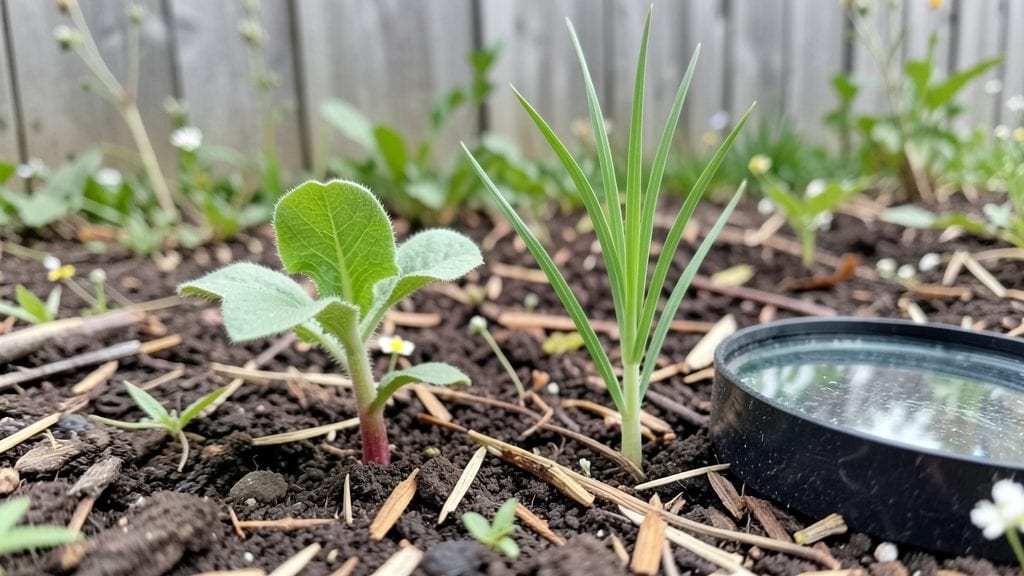
Mastering weed seedling identification by leaf shape and stem patterns can spare you endless hours of weeding later. I’ve spent enough weekends wrestling with vines that looked identical to my tomatoes until I learned to spot the subtle differences—like the jagged serrations on pigweed or the hairy stems of lambsquarters.
These visual clues let you pull weeds when they’re tiny, before they steal nutrients from your plants.
The key is paying attention to three things: leaf arrangement (alternate vs. opposite), stem texture (smooth, fuzzy, or bristly), and growth habit (creeping, upright, or sprawling).
Most weeds have distinct traits—like the arrow-shaped leaves of chickweed or the whorled pattern of smartweed—that make them easy to spot once you know what to look for. Grab a magnifying glass if you’re unsure; the details are what separate weeds from your intended crops.
Once you recognize them, removal becomes straightforward: yank young weeds by hand, use a hoe for larger patches, or smother them with mulch before they seed. I’ve found that a 3-inch layer of straw keeps 90% of weeds from germinating in my garden beds.
The sooner you act, the less work you’ll have in a few weeks—trust me, your future self will thank you.
This works for any garden, from raised beds to in-ground plots, and even container gardens if you’re growing in pots. The only tools you need are your eyes, a small trowel, and a little patience. Let’s turn those mystery seedlings into easy wins before they become problems.
The Hidden Triggers Behind Misidentification
When it comes to weed seedling identification, even the most seasoned gardeners can stumble—especially when seedlings look eerily similar to desirable plants. But why does this happen?
The answer lies in a mix of biological quirks, environmental factors, and human perception. Let’s break down the key reasons why seedlings can fool even the sharpest eyes.
Many weeds have evolved to resemble useful plants as a survival strategy. This phenomenon, called mimicry, tricks animals (and humans) into ignoring or even aiding their growth. For example:
- Dandelion seedlings (a common "weed") sprout with lobed leaves that can resemble young lettuce or basil, especially when still small.
- Purslane mimics succulent seedlings like young kale or spinach, blending seamlessly into garden beds.
- Cheatgrass (a notorious invasive) often looks like wheat or barley in early stages, making it nearly impossible to spot without close inspection.
Why does this matter? Weeds that look like crops get a free pass—animals avoid eating them, and gardeners might accidentally nurture them instead of pulling them.
Seedlings of different species often share juvenile traits that make identification nearly impossible. Think of it like a human baby: a toddler might resemble a completely different ethnicity or family member until they grow into distinct features. The same goes for plants.
- First leaves: Many weeds and crops start with simple, undivided leaves (called cotyledons). For example, both crabgrass and corn seedlings begin with smooth, grass-like leaves.
- True leaves emerge later: The real differences—like serrated edges, leaf arrangement, or stem texture—often don’t appear until the plant is 2–4 weeks old. By then, it might already be too late.
- Environmental stress: Poor soil, drought, or shade can stunt growth, making seedlings look even more similar to their "cousins."
Pro Tip: 🔍 Examine the growth pattern—are leaves alternating (common in weeds like lambsquarters) or arranged in whorls (like plantain)? Small details make a big difference.
Not all seedlings reveal their true colors under ideal conditions. Environmental factors can alter appearance, making identification a moving target:
| Factor | Effect on Seedlings | Example |
|---|---|---|
| Low light | Leaves grow larger and paler, mimicking shade-tolerant crops like spinach or Swiss chard. | Pigweed seedlings in partial shade may look like young beet greens. |
| Compacted soil | Stems grow thinner and weaker, resembling stressed or diseased plants. | Chickweed in tight soil can look like a wilted radish seedling. |
| Temperature swings | Delays growth, keeping seedlings in an "indistinct" phase longer. | Morning glory may sprout later in cool weather, blending in with slow-starting beans. |
Actionable Fix: 🌡️ Observe seedlings at peak growth times—mid-morning on a warm, sunny day when differences are most pronounced.
Even with perfect conditions, misidentification happens when we skip key steps. Common pitfalls include:
- Focusing only on leaves: Stem texture, root structure, and growth habit (like creeping vs. upright) are often overlooked but critical.
- Ignoring the whole plant: A single leaf won’t tell the full story—compare multiple growth stages or consult a seedling ID chart.
- Assuming "weeds are bad": Some "weeds" (like clover) are harmless or even beneficial. Prejudice leads to unnecessary removals.
Pro Tip: ✨ Use the "three-leaf rule": Wait until a seedling has at least three true leaves before attempting identification—this reduces early-stage confusion.
Understanding these triggers isn’t just about spotting weeds—it’s about recognizing patterns and adapting your approach. Next time you’re squinting at a tiny green sprout, ask: Is it mimicry? A growth stage? Or just a trick of the light? The answer might change how you garden forever.
Quick Fixes for Weed Seedlings
Got unwanted sprouts popping up in your garden or lawn? Don’t panic—these practical solutions will help you tackle weed seedlings effectively, whether you’re dealing with broadleaf dandelions, grassy crabgrass, or anything in between.
Below, we’ve broken down common causes and their fixes, plus prevention tips to keep your space weed-free long-term.
Cause: Seedlings are easiest to remove when young and small. Fix:
- Grab and tug: Use a hand weeder, gloved hands, or a trowel to pull weeds before they develop deep roots. A sharp twist helps dislodge the entire plant.
- Target the roots: For stubborn weeds like clover or chickweed, dig deeper to avoid regrowth.
- Timing matters: Early morning or after rain makes soil softer, so weeds come out cleaner.
Pro Tip: 💡 Check the soil 2–3 inches deep—if you spot more roots, keep digging until the base is gone!
Cause: Weeds thrive in exposed soil with sunlight and nutrients. Fix:
- Cardboard or newspaper: Lay down layers (2–3 sheets thick) over bare soil, then top with mulch. This blocks light and deprives weeds of air.
- Thick mulch: Apply 3–4 inches of organic mulch (straw, wood chips, or leaves) to suppress weeds and retain moisture.
- Living mulch: Plant ground covers like creeping thyme or clover to outcompete weeds naturally.
Pro Tip: ✨ For stubborn patches, try a solarization method: Cover the area with clear plastic for 4–6 weeks in hot sun to kill seeds and seedlings.
Cause: Overwatering or inconsistent moisture encourages weed growth. Fix:
- Deep watering: Water plants (not soil) deeply but infrequently to encourage deep root growth in your desired plants, leaving weeds struggling.
- Drip irrigation: Direct water to plant bases instead of spraying entire areas, reducing weed-friendly moisture.
- Drought stress: Let lawns go slightly dry between waterings—many weeds (like crabgrass) need consistent moisture to sprout.
Pro Tip: 🌡️ Early morning watering (before 10 AM) reduces evaporation and gives weeds less time to absorb moisture.
Cause: Weed seeds lie dormant in soil until disturbed or watered. Fix:
- Apply pre-emergent herbicides: Use granular or liquid pre-emergents (like corn gluten meal or pelargonic acid-based products) in early spring to prevent seeds from germinating.
- Natural alternatives: Spread a layer of coarse sand or diatomaceous earth (food-grade) over seed beds to physically block sprouting.
- Vinegar spray (for small areas): Mix 1 gallon of vinegar + 1 oz dish soap + 1 tbsp salt for a DIY weed killer (best for driveways or sidewalks).
Pro Tip: 🎯 Reapply pre-emergents after rain or heavy irrigation to maintain effectiveness.
Cause: Thin or sparse plantings leave gaps for weeds to invade. Fix:
- Plant densely: Fill garden beds with healthy, fast-growing plants to shade out weeds.
- Interplant flowers: Marigolds, nasturtiums, and basil naturally repel many weeds while adding beauty.
- Lawn care: Overseed bare spots in your lawn with grass seed to crowd out weeds.
Pro Tip: 🔥 Mow high (3–4 inches) to strengthen grass roots and block sunlight from weed seeds.
Prevention Checklist for Long-Term Success:
- Remove weeds before they seed (cut flower heads off dandelions, for example).
- Clean tools and shoes after working in weedy areas to avoid spreading seeds.
- Test your soil—healthy soil with proper pH and nutrients supports strong plants that resist weeds.
- Rotate crops in vegetable gardens to disrupt weed life cycles.
With these strategies, you’ll spend less time yanking weeds and more time enjoying a lush, low-maintenance space! 🌱
Frequently asked questions about young plant identification
How can I tell the difference between a weed seedling and my actual plants when they're just sprouting?
Look for leaf arrangement—weeds often have alternating leaves (like lambsquarters) while crops may have opposite or whorled patterns. Also check stem texture: smooth stems suggest crops, while fuzzy or hairy stems (like chickweed) usually mean weeds. Wait until seedlings have 3 true leaves for clearer identification.
What's the best time of day to identify weed seedlings?
Morning is ideal—soil is moist from dew but not waterlogged, and sunlight enhances color differences. Avoid midday when shadows obscure details or soil is dry. Early afternoon works too, but dew provides the crispest contrast for leaf patterns.
Are there any weeds that look exactly like vegetables when young?
Yes! Purslane mimics young kale or spinach, while dandelion seedlings resemble lettuce. The key difference: weeds often have milky sap (like milkweed) or jagged leaf edges (pigweed) that appear only after closer inspection. Compare with mature plants in your garden.
What should I do if I accidentally pull a vegetable thinking it was a weed?
Don't panic—most vegetable seedlings will regrow if the roots are intact. Immediately replant in moist soil and keep it consistently watered. If roots were damaged, start fresh with new seeds. This happens to everyone, especially with grass-like weeds (like crabgrass) that resemble young onions.
How do I identify grassy weeds vs. grass seedlings?
Check the leaf tips: Weeds like crabgrass have pointed tips, while most lawn grasses have rounded or flat tips. Also look at the growth pattern—weeds grow in clumps while grass spreads evenly. For corn vs. crabgrass, count leaf veins: corn has parallel veins while crabgrass has a single central vein.