
Blooming
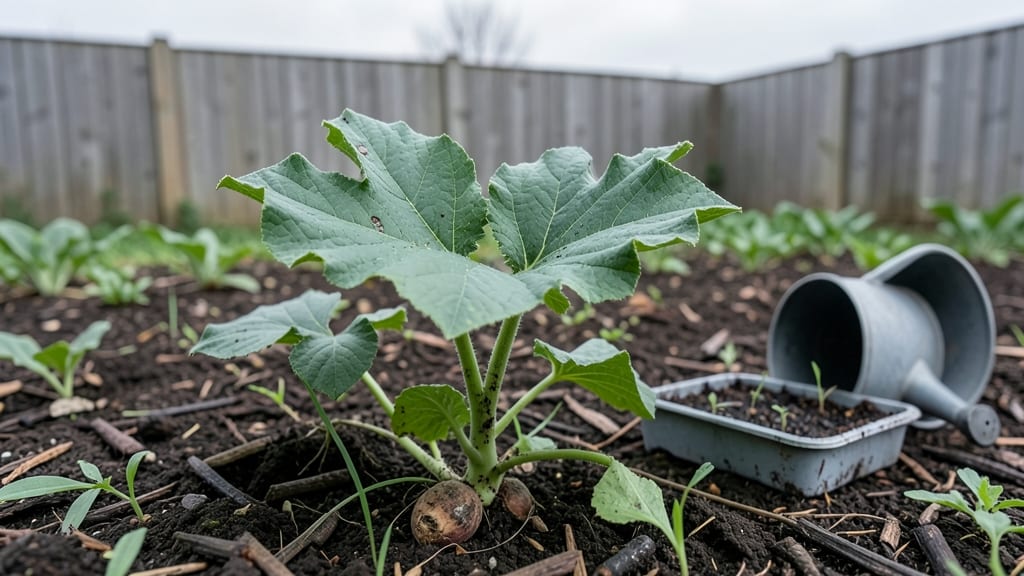
Squash seeds typically sprout in 5–10 days under ideal conditions, though patience is key when you’ve got 🎃 plants waiting in your garden beds.
Waiting for squash seeds to sprout can feel like an eternity—especially when you’ve already prepared your garden beds and tools—but knowing the right timeline and conditions can make all the difference between patience and frustration.
Warm soil and consistent moisture are the two biggest factors in speeding up germination, while cold or dry conditions can stretch that window to three weeks or more.
Below, I’ll break down the exact conditions your seeds need, how to tell if they’re on track, and proven tricks to get those first sprouts popping faster than ever.
Squash seed germination timeline: days 1-10 explained
Understanding the squash seed germination timeline transforms guesswork into confidence. Whether you're planting summer squash, winter squash, or pumpkin seeds, knowing what to expect in the first 10 days helps you adjust conditions for success.
Germination speed depends on soil temperature, moisture levels, and even the seed variety—but with the right setup, you’ll see those first green shoots within a week.
Most squash seeds begin germinating between 3 to 10 days under ideal conditions. However, cold soil or dry conditions can stretch this timeline to 2-3 weeks. The key is maintaining consistent warmth (70–90°F) and moisture without overwatering.
Let’s break down what happens day by day so you can troubleshoot delays and celebrate early progress.
- Day 1-3: Seeds absorb moisture and begin swelling. Place a damp paper towel over them to monitor—if they’re dry or shriveled, they need more water.
- Day 4-5: Radicle emergence (tiny white root) appears. This is the first sign of life! Keep soil warm and damp—never let it dry out.
- Day 6-7: Shoot breaks through soil. If seeds are slow, check for mold (a red flag for overwatering) or cold soil (below 60°F).
- Day 8-10: First true leaves unfold. Thin seedlings to 12 inches apart for summer squash or 3-5 feet for winter squash/pumpkins.
On Day 1, your seeds are just waking up. Place them in a warm, moist environment—think 70–90°F soil temperature—to kickstart the process. If you’re using a seedling tray, cover it with plastic wrap to retain humidity.
Avoid direct sunlight yet; seeds need warmth more than light at this stage. Check for moisture daily—soil should feel like a wrung-out sponge.
By Day 3, you might notice the seeds plumping up or even cracking slightly. This is the imbibition phase, where they absorb water to activate enzymes. If seeds stay hard or dry, they’re not getting enough moisture.
A spray bottle works better than pouring water to avoid displacing seeds. Watch for mold (fuzzy white/green growth)—this means the soil is too wet.
Around Day 5, the radicle (tiny root) emerges first. This is your first green light! If you’re growing indoors, place a grow light 2–3 inches above the tray to encourage upward growth.
Outdoor gardeners should wait until soil is at least 60°F before transplanting. Cold soil slows germination by up to 50%, so use black plastic mulch to warm beds faster.
Between Days 6 and 7, the shoot pushes through the soil. This is the most vulnerable stage—seedlings can drown if overwatered or wilt if too dry. Use a fine mist to keep soil damp, not soggy.
If you see yellowing leaves, it’s often a sign of overwatering or poor drainage. At this point, harden off seedlings (expose to outdoor conditions gradually) if moving them outside.
By Day 8, you’ll spot the first true leaves (not the initial seed leaves). These are broad and lobed, a classic sign of healthy squash seedlings.
Thin seedlings to the strongest 2–3 plants per hill if crowded. Winter squash and pumpkins need more space (3–5 feet apart), while summer squash can handle 12–24 inches between plants. Mulch around seedlings to retain moisture and warmth.
If your seeds haven’t sprouted by Day 10, don’t panic—but take action. Check for viable seeds by soaking a few in water: if they float, they’re likely bad. Cold soil, old seeds, or poor moisture are common culprits.
Try replanting fresh seeds or using a seedling heat mat to jumpstart germination. Remember, pumpkin seeds often germinate slower than summer squash varieties.
Once you see those first green shoots, celebrate! Your squash plants are on their way to producing abundant fruit. The next critical phase is ensuring they get 6–8 hours of sunlight and consistent watering.
But for now, focus on those first 10 days—they set the stage for a thriving squash harvest.
🌿
5 Proven tips to speed up squash seed sprouting
If you're eager to see those squash seedlings break through the soil, you’re not alone! Squash seeds typically sprout within 5-10 days under ideal conditions, but cooler soil or improper moisture can stretch that timeline.
The good news? With a few simple adjustments, you can accelerate germination and get your plants off to a flying start.
First, focus on soil warmth—squash seeds need at least 60°F (15°C) to germinate efficiently. If your garden soil is still chilly, consider using a seedling heat mat or planting in black plastic mulch to absorb and retain heat.
Even a sunny windowsill indoors can work temporarily while you wait for the ground to warm up.
🔹
Under ideal conditions (60–90°F soil, consistent moisture), most squash varieties sprout in:
- Summer squash: 3–7 days
- Winter squash: 5–10 days
- Pumpkin seeds: 7–14 days
Cold soil (<50°F) can delay sprouting by 2–3 weeks.
Next, try pre-soaking your seeds for 6–12 hours in lukewarm water before planting. This hydrates the seed coat and kickstarts the germination process.
For extra speed, use a paper towel method: place seeds between damp paper towels in a sealed bag, then transfer them to soil once they’ve sprouted tiny roots. This cuts down on waiting time by 2–4 days.
Another game-changer is direct sowing depth. Plant your squash seeds only 1 inch deep—deeper planting can slow germination because the seedling struggles to reach the surface.
Use your finger to make a small hole, drop in 2–3 seeds (they’re large and easy to handle), and cover lightly with soil. Avoid pressing down too firmly, as compacted soil can stunt early growth.
Finally, watch your watering habits. Overwatering is a silent killer of young seeds—it causes rot before sprouting even begins. Instead, keep the soil consistently moist but not soggy.
Water gently when the top inch feels dry, and use a spray bottle for precision. A well-draining mix of compost and garden soil works best for squash seeds.
With these 5 proven tips, you’ll likely see those first squash seedlings poking through the soil in just 3–7 days—no waiting weeks! Once they emerge, keep an eye out for healthy green leaves and prepare for a bountiful harvest ahead. 🎃