
How To
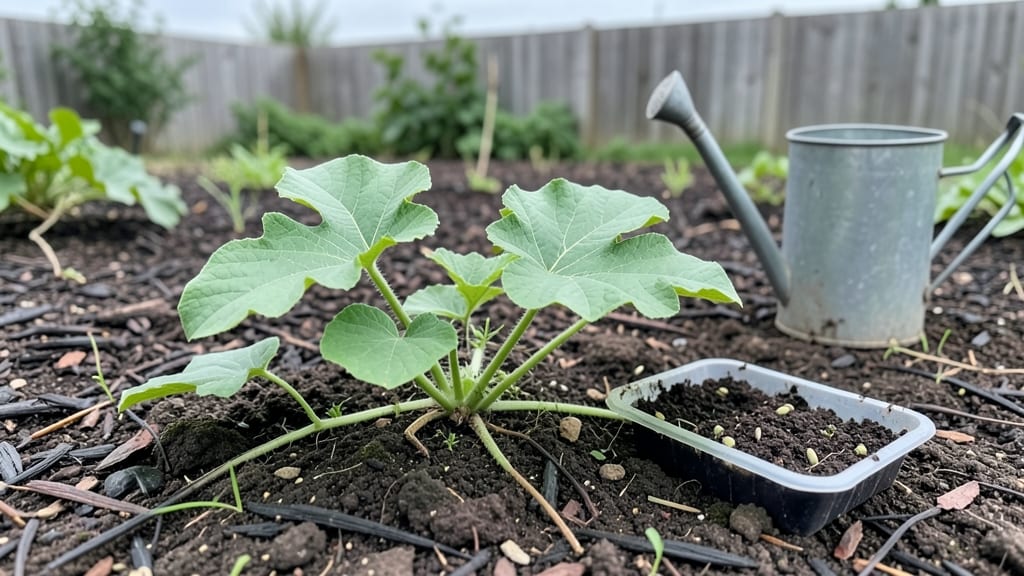
Watermelon seeds typically germinate in 5 to 10 days when given the right warmth and moisture—but that timeline can stretch to weeks if conditions aren’t perfect.
Struggling to wait for those first 🍉 sprouts? Germination time can feel like an eternity, especially when you’re eager to see those vines take off. The good news? With the right soil temperature and care, you can cut weeks off the process and get your watermelon patch thriving faster.
Most gardeners in USDA Zone 6a plant after the last frost (usually May-June), but if your soil isn’t warm enough, those seeds might linger for days—or even fail to sprout at all.
The secret to speeding things up lies in keeping the soil between 70°F and 95°F and ensuring consistent moisture without drowning the seeds.
In this guide, I’ll break down the exact germination timeline by soil temperature, share my top tips for faster sprouts, and help you avoid common mistakes that slow down—or even stop—your watermelon seeds from breaking through.
Watermelon seed germination timeline: days to sprouts by soil temperature
Watermelon seeds are famously finicky about soil temperature, and understanding this timeline can mean the difference between fast, healthy sprouts and weeks of waiting. The ideal germination window for watermelons starts at 70°F (21°C), where seeds typically sprout in just 3-5 days.
But cooler or warmer extremes can stretch—or even stall—this process.
If your soil is on the cooler side (50°F-60°F), germination can take 2-3 weeks, and seeds may rot before sprouting. On the other hand, extreme heat (above 95°F) can cause seeds to dry out or germinate unevenly. Finding that sweet spot is key to unlocking your watermelon’s potential.
Soil temperature isn’t just about speed—it also affects seed viability. Older seeds or those stored in dry conditions may need extra warmth to break dormancy. Always test your soil’s temperature with a soil thermometer before planting for the most accurate results.
For gardeners in cooler climates, like USDA Zone 5 or 6, waiting until late May or early June ensures soil warmth. In warmer zones (Zone 7+), you can start as early as April—but only if nighttime temps stay above 55°F (13°C).
Now, let’s break down the exact germination timeline based on soil temperature ranges. Use this as your guide to set realistic expectations and troubleshoot delays.
| Soil Temperature (°F) | Avg. Days to Sprouts | Germination Speed | Optimal Conditions |
|---|---|---|---|
| 50°F - 59°F | 14-21 days | Very Slow | Use heat mat; avoid planting |
| 60°F - 65°F | 10-14 days | Slow | Pre-soak seeds; use black plastic mulch |
| 66°F - 70°F | 7-10 days | Moderate | Ideal for early planting; monitor moisture |
| 70°F - 75°F | 3-5 days | Fast | Best range; use compost for warmth |
| 76°F - 85°F | 2-4 days | Very Fast | Provide shade cloth if >85°F |
| 86°F - 95°F | 1-3 days | Fast but risky | Keep soil moist; avoid direct sun |
If your soil temperature falls in the 50°F-65°F range, don’t panic—there are ways to accelerate germination. Use a seedling heat mat ($15-$25) to raise soil temps by 10-15°F in just hours.
For outdoor gardens, lay down black plastic mulch a week before planting to absorb sunlight and warm the soil.
At the ideal temperature of 70°F-75°F, watermelon seeds can sprout in as few as 3 days, making this the golden window for planting. If you’re in a hurry, try pre-soaking seeds in warm water for 12 hours before planting—this can shave off 1-2 days from germination time.
For gardeners in hot climates (above 85°F), germination happens quickly, but seeds can dry out just as fast. Shade cloth or planting in late afternoon helps maintain moisture. Always water the soil before planting to create a damp (not soggy) environment.
One common mistake is assuming air temperature equals soil temperature. Soil stays cooler than air, especially in morning or shaded areas. Use a soil thermometer (under $10) to check temps at 2-inch depth, where seeds are planted.
If your seeds take longer than expected, check for moisture consistency. Soil should feel like a wrung-out sponge—damp but not waterlogged. Overwatering can suffocate seeds, while <
5 Pro tips to speed up watermelon seed germination naturally
Waiting for watermelon seeds to sprout can feel like an eternity—especially when you're eager to see those first tiny green leaves. The good news? With the right techniques, you can cut germination time in half and ensure stronger, healthier seedlings.
The key lies in creating the perfect environment: warmth, moisture, and just the right amount of coaxing. Let’s dive into my top 5 pro tips to get those seeds sprouting faster than ever.
Watermelon seeds typically take 5–10 days to germinate under ideal conditions, but cold soil or dry air can stretch that to 2–3 weeks. The secret to speeding up this process? Mimicking the warm, humid conditions of their natural tropical habitat.
By adjusting a few simple factors—like soil temperature, moisture levels, and even how you handle the seeds before planting—you’ll see those first sprouts in record time.
- 1. Pre-soak seeds for 12–24 hours in warm water to kickstart hydration. This mimics natural rainfall and can reduce germination time by 3–5 days. Use a clean jar with a damp paper towel to keep seeds moist until planting.
- 2. Plant seeds at a depth of 1 inch in warm soil (ideal: 80–90°F). Deeper planting slows sprouting, while shallower depths risk drying out. Use a soil thermometer to monitor—cold soil (<60°F) can delay germination by 1–2 weeks.
- 3. Cover seeds with a humidity dome (plastic wrap or clear lid) to trap moisture. Watermelon seeds need 70–80% humidity to germinate quickly. Remove the cover once sprouts appear to prevent fungus growth.
- 4. Amend soil with compost or vermiculite to improve drainage and warmth retention. Avoid heavy clay soils, which can suffocate seeds. A mix of 50% garden soil and 50% compost works wonders for faster germination.
- 5. Use a heat mat (70–80°F) if planting early in the season. Cold frames or black plastic mulch can also raise soil temperature by 10–15°F, speeding up sprouting. Avoid overheating—ideal soil temps should never exceed 95°F.
Don’t overlook the power of light exposure after germination. Once those first leaves appear, move seedlings to a sunny windowsill or grow light for 12–14 hours daily. This prevents leggy growth and ensures sturdy plants ready for transplanting.
I’ve found that seedlings exposed to light within 3–5 days of sprouting grow 20% faster than those kept in the dark.
If you’re still struggling with slow germination, test your seeds’ viability by placing them in a glass of water. Seeds that sink are likely viable, while floaters should be discarded.
This simple trick saves time and frustration—especially when you’ve invested in heirloom or specialty varieties. With these tips, you’ll be harvesting sweet, juicy watermelons in no time!
Pro tip: Keep a germination journal to track what works best in your climate. Note soil temps, humidity levels, and sprouting times—this data will help you refine your approach for next season. Happy planting! 🌱