
Light Requirements
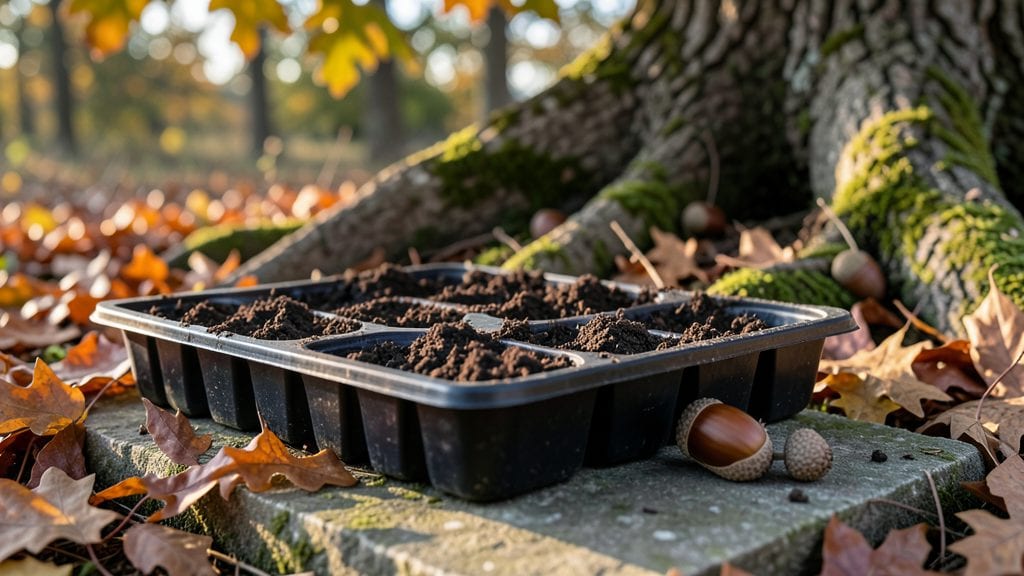
The cost of tree seeds ranges dramatically from free to over $50, depending on the type of tree, how many seeds you need, and where you buy them. Fast-growing varieties like willow or poplar seeds typically stay under $5 per packet, while slower-growing species such as oak or maple can cost between $20 and $50 for a small quantity. Buying in bulk or taking advantage of seasonal sales can help gardeners save significantly.
The price of tree seeds depends heavily on whether you're planting common or rare species.
For example, fast-growing trees like willow or poplar are often sold in bulk for just a few dollars, making them ideal for quick landscape projects. 🌱 On the other hand, hardwoods like oak or maple can be pricier because they take longer to mature, so suppliers charge more per seed packet.
I always recommend checking local nurseries first—they sometimes offer free seeds from native species, which can be a great way to support local ecosystems while saving money.
Another key factor is whether you're buying from a reputable supplier or a budget-friendly online retailer. Some companies even offer germination guarantees, which can be a lifesaver if you're investing in expensive seeds.
Seasonal sales, especially during spring planting season, can also slash costs by up to 50%. If you're patient, collecting seeds yourself from mature trees in your area can be the most cost-effective option.
💡 In This Article
- Factors Influencing Tree Seed Pricing
- Best Places to Buy Affordable Tree Seeds
Factors influencing tree seed pricing
The rarity of a tree species directly impacts its seed cost, creating a clear market divide between common and exotic varieties. Native trees like cottonwood or sycamore often sell for under $2 per packet because they're widely available and fast-growing.
In contrast, exotic species such as Japanese maple or redwood seeds can cost $30–$50 due to limited supply chains and slower growth rates. The key factor here is seed availability—species with restricted natural ranges or those in high demand for landscaping command premium prices.
Seed quantity plays a major role in pricing, with bulk purchases offering dramatic discounts. A single ounce of oak acorns might cost $10–$15 retail, but buying 5 pounds (about 2,268 ounces) from agricultural suppliers can drop the per-ounce price to $0.50–$1.
This works because suppliers reduce packaging and handling costs when selling in larger volumes. For gardeners planting multiple trees, bulk purchases become the most economical option, though storage becomes a consideration—many seeds lose viability if not stored properly in cool, dry conditions.
Germination rates create another pricing tier where quality meets cost. High-germination seeds (like those from willow or birch) often come at premium prices because suppliers guarantee 80–90% success rates.
Low-germination seeds (common in wild-collected hardwoods) may cost less but require 10–20 times more seeds to achieve the same number of saplings. This is why certified seeds from reputable nurseries—like those from the Arbor Day Foundation—justify their higher price tags with reliability.
Supplier reputation directly affects pricing transparency and hidden costs. Online retailers often mark up seeds by 30–50% to cover shipping and platform fees, while local nurseries may offer better deals if you're willing to pick up in person.
What most people don't realize is that some suppliers bundle seeds with germination guides or planting instructions, which can add $5–$10 to the base price. Always check for germination guarantees—this can save money in the long run by avoiding failed plantings.
Seasonal availability creates predictable price swings, with spring planting surges driving costs up by 20–40% compared to off-season. For example, pine seeds might cost $8 in February but drop to $5 in September when demand lulls.
This pattern holds true for most ornamental trees, where holiday sales (like Arbor Day promotions) can slash prices by nearly half. Timing your purchases to align with these cycles is a simple way to maximize savings without sacrificing quality.
Consider these key comparisons when budgeting: Fast-growing poplar seeds (cost: $1–$3) yield mature trees in 10–15 years, while slow-growing white oak seeds (cost: $20–$40) take 30–50 years. The trade-off isn't just time—it's also maintenance.
Fast-growing species often require more pruning and soil care, which can offset initial seed savings. For long-term projects, investing in higher-cost seeds might actually save money by reducing ongoing upkeep.
Pro tip: If you're planting native species, check with local conservation groups—they often distribute free seeds as part of reforestation programs. This is how I've planted hundreds of trees for under $50 while supporting biodiversity. 🌳