
Size
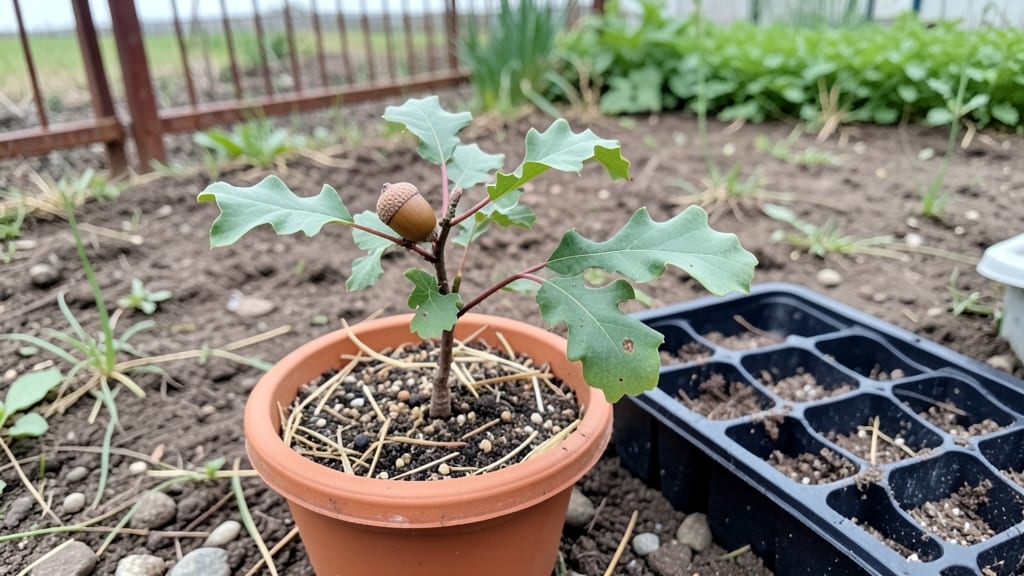
Growing acorn seeds into oak trees is the ultimate patience test—and the most rewarding one. 🌱 I’ve watched my first acorns sprout after months of waiting, and the thrill of seeing tiny oak seedlings emerge is unmatched.
This isn’t about instant gratification; it’s about nurturing a future tree that could live for centuries.
The secret starts with the right acorns—white oaks (like bur or swamp oak) germinate faster than red oaks (like pin or black oak), but both need a cold treatment to break dormancy.
You’ll need a mix of sandy loam soil, a deep pot or nursery bed, and a sunny spot. The first 8 weeks are about moisture and warmth, but real growth takes years—think decades, not seasons.
By week 8, you’ll see 1-2 inch sprouts with tiny leaves, but don’t expect a sapling yet. These seedlings need consistent watering, protection from pests, and space to grow roots. The payoff? A tree that’ll provide shade, wildlife habitat, and a connection to nature’s slowest, most enduring cycles.
Perfect for landowners, homesteaders, or anyone who loves long-term projects. Here’s how to turn those acorns into a legacy—if you’re willing to wait for it.
📚 In This Guide
- What you need
- Instructions
- Tips and common mistakes
- Wrapping up and next steps
What you need
- ● Fresh acorns: Collect 10–20 healthy, plump acorns (preferably from white or red oak trees—avoid tanoak acorns, which don’t grow true to type). Ensure they’re free of cracks or mold.
- ● Water: Room-temperature, filtered water (about 1–2 cups for soaking).
- ● Containers: Small seed-starting trays (with drainage holes) or
- ● Disposable paper towels + ziplock bags (for pre-sprouting).
- ● Potting mix: Well-draining, sterile seed-starting mix (avoid garden soil—it can harbor fungi).
- ● Small pots: 2–3 inch diameter (biodegradable pots work great!).
- ● Spray bottle: For gentle watering.
- ● Plastic wrap or humidity dome: To maintain moisture during germination.
- ● Heat mat: Speeds up germination (set to 70–80°F).
- ● Grow lights: If natural light is limited (12–14 hours/day).
- ● Fungicide: A natural option like cinnamon powder to prevent rot.
- ● Label markers: To track planting dates (acorns can take 3–6 months to sprout!).
- ● Outdoor space: A sunny, sheltered spot for transplanting after 8 weeks.
Step-by-step instructions for growing acorn seeds into oak trees
Here’s the foolproof method I’ve used to sprout healthy oak seedlings—no special equipment needed.
🌱 Step 1: Harvest and Prepare Acorns for Stratification
Collect mature acorns from the ground in late fall or buy fresh ones from a nursery. Look for plump, intact acorns with no cracks or holes—these hold the best germination potential. Remove any caps or debris, then place them in a breathable container like a mesh bag or paper towel-lined tray.
Acorns require cold stratification to break dormancy. Mix them with slightly damp peat moss or coconut coir (about 1 inch deep) in a sealed plastic bag. Store the bag in your refrigerator’s crisper drawer for 8-12 weeks at 35-45°F. Check monthly—they should feel moist but not soggy. This mimics winter’s natural chilling period and primes them for spring growth.
💧 Step 2: Sow Stratified Acorns in a Controlled Environment
After stratification, fill 4-inch pots with a sterile seed-starting mix (avoid garden soil—it’s too dense). Plant each acorn 1 inch deep, spacing them 2 inches apart in the pot. Water gently until the soil is evenly moist but not waterlogged. Place the pots in a warm, bright location (like a sunny windowsill) where temperatures stay 65-75°F.
Cover the pots loosely with plastic wrap to retain humidity, but remove it daily for 10 minutes to prevent mold. Germination can take 4-12 weeks, depending on the oak species. You’ll know it’s working when you see a small white root pushing through the soil—this is your signal to stop covering.
☀️ Step 3: Provide Optimal Light and Care for Seedlings
Once sprouts emerge, move them to bright, indirect light for 2-3 weeks to harden their stems. Afterward, gradually introduce direct sunlight for 4-6 hours daily. Oak seedlings need strong light to develop sturdy growth—without it, they’ll grow leggy and weak. If using a grow light, keep it 6-8 inches above the seedlings and run it for 14-16 hours daily.
Water when the top inch of soil feels dry, but avoid overwatering—oak seedlings are prone to root rot in soggy conditions. Use a spray bottle for gentle moisture, especially in the first few weeks. Fertilizer isn’t needed yet; the seed’s energy reserves will sustain early growth.
🪴 Step 4: Transplant Seedlings to Larger Containers
When seedlings reach 4-6 inches tall (usually after 6-8 weeks), transplant them into 6-inch pots with fresh seed-starting mix. Gently loosen the roots before transferring to avoid damaging them. Plant each seedling 1 inch deeper than before to encourage a strong root system. Water thoroughly after transplanting to help the soil settle around the roots.
Place the pots in a shaded outdoor area for 1 week to acclimate before moving them to full sun. This gradual transition prevents shock. If growing in a colder climate, keep them indoors near a sunny window until spring. Oak seedlings grow slowly—patience is key. You’ll see new leaves forming in 4-6 weeks, signaling healthy progress.
⏰ Step 5: Prepare for Outdoor Planting (Year 1)
By late spring of their first year, seedlings should be 12-18 inches tall with a sturdy stem. Choose a sunny, sheltered spot in your yard with well-draining soil. Dig a hole twice as wide as the root ball but only as deep as the pot. Amend the soil with compost to improve fertility. Water the hole deeply before planting.
Gently remove the seedling from its pot, loosen the roots, and place it in the hole so the top of the root ball sits 1 inch below soil level. Backfill with soil, firm it lightly, and water again to eliminate air pockets. Mulch around the base with 2 inches of organic mulch to retain moisture and suppress weeds. Oak trees thrive with minimal care—just water deeply once a week during dry spells.
Tips & tricks for perfect acorn seed sprouting
These proven strategies will help you navigate the nuances of oak tree cultivation—where timing, temperature, and patience make all the difference.
The Stratification Secret: The 8-12 week cold stratification at 35-45°F is non-negotiable for breaking acorn dormancy. I've learned this the hard way—skipping stratification results in stubborn seeds that refuse to germinate. Use a refrigerator's crisper drawer for consistent temperatures, and check moisture monthly by squeezing the peat moss or coconut coir. It should feel like a wrung-out sponge, not dripping wet. This mimics nature's winter chilling period perfectly.
Germination Timing: Those 4-12 weeks of germination can feel like an eternity, but resist the urge to peek! The moment you see that first white root pushing through the soil (your cue to remove the plastic cover), you're on track. I've found that keeping pots in a warm, bright location (65-75°F) during this phase dramatically reduces waiting time—sometimes cutting weeks off the process. Just be patient; oak seedlings aren't known for speed.
Light Management: The transition from bright indirect light to direct sunlight in Step 3 is critical. Start with just 4-6 hours of direct sun daily to avoid shocking tender seedlings. For indoor growers, position your seedlings within 6-8 inches of a grow light running 14-16 hours daily. I've seen seedlings develop weak, leggy growth when they get too much direct sun too soon—this is your plant's way of reaching for more light. Gradual exposure builds resilience.
Transplanting Technique: When your seedlings reach 4-6 inches tall (usually after 6-8 weeks), handle them with care during transplanting. Gently loosen the roots before transferring to 6-inch pots to minimize shock. The key is planting 1 inch deeper than before—this encourages stronger root development. After transplanting, place pots in a shaded outdoor area for 1 week before full sun exposure. This gradual acclimation prevents transplant shock that could set back growth by weeks.
Pro Tips for Grow Acorn Seeds
- These proven strategies will help you navigate the nuances of oak tree cultivation—where timing, temperature, and patience make all the difference.
- The Stratification Secret: The 8-12 week cold stratification at 35-45°F is non-negotiable for breaking acorn dormancy.
- Germination Timing: Those 4-12 weeks of germination can feel like an eternity, but resist the urge to peek!
Frequently asked questions
Got questions about growing acorn seeds? You’re not alone—this process can feel tricky at first! Here are some of the most common queries (and their answers) to help you succeed.
How long does it take for an acorn to sprout?
Acorns can take anywhere from 2 to 8 weeks to sprout, depending on the species, moisture, and temperature. White oaks (like bur oaks) often sprout faster (4–6 weeks), while red oaks may take longer (6–8 weeks). Patience is key—keep the soil moist and warm (60–70°F) to speed things up!
Can I plant acorns in winter? What’s the best time?
Acorns planted in late fall (October–November) often sprout naturally in spring, thanks to cold stratification. If planting in warmer months, aim for early spring (March–April) or late summer (August–September) to avoid extreme heat. Avoid planting when temps drop below freezing—acorns need moisture to germinate!
Why isn’t my acorn sprouting? Troubleshooting tips
If your acorn isn’t sprouting, check these common issues:
- Too dry: Acorns need consistent moisture—water gently 2–3 times a week.
- Too hot: Keep them in partial shade (direct sun can dry them out).
- Improper stratification: If you skipped cold treatment, try refrigerating the acorn for 4–6 weeks before replanting.
- Bad acorn: Not all acorns are viable—pick plump, healthy ones without cracks or mold.
How big should my oak tree get? Can I grow it in a pot?
Oak trees vary widely in size—some stay small (like pin oaks, 40–60 ft tall), while others become giants (like white oaks, 60–80 ft+). If you’re growing in a pot, choose a dwarf variety (like ‘Green Vase’ bur oak) and use a large container (15+ gallons) with drainage. Repot every 2–3 years!
What if I don’t have acorns? Are there alternatives?
No acorns? No problem! Try these oak tree alternatives that are easy to grow:
- Ginkgo seeds (from ginkgo nuts—just plant and wait!)
- Hickory nuts (similar process, but slower to sprout)
- Seedlings from a nursery (guaranteed growth, but less fun!)
- Other nut trees like walnut or chestnut (follow similar stratification steps).
Still stuck? Drop your question in the comments—we’re happy to help your little oak tree thrive!
Wrapping up and next steps
Growing acorn seeds into sturdy oak trees is a rewarding journey that combines patience, care, and a little green thumb magic! 🌱 By following the steps—from selecting the right acorns to nurturing your seedlings—you’ve set the stage for a thriving future tree.
Remember, consistency is key, and even small efforts will yield big results over time.
Now that you’re equipped with the know-how, why not take the next step? Start your acorn collection today, grab your supplies, and give these resilient seeds a chance to grow. Your future oak tree—and the wildlife it’ll support—will thank you! 🌳✨