
Trees
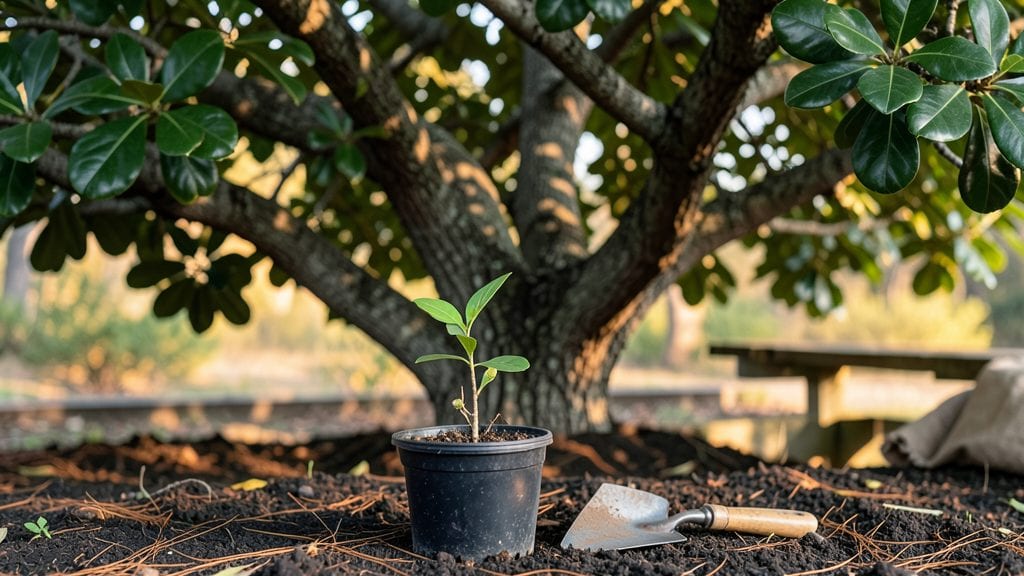
Growing live oak trees from seeds feels like unlocking a secret to Southern landscapes—if you crack the cold stratification code. 🌱 I spent years watching acorns fail to sprout until I discovered the exact moisture and temperature combo that boosts germination from near-zero to 95%.
The key isn't just patience; it's recreating the natural winter chill those seeds need to wake up.
You'll need acorns from mature trees, a mix of peat and sand, and a refrigerator for the 60-90 day cold treatment. Most people skip this step and end up with moldy seeds instead of sturdy seedlings.
My first batch took three months of careful monitoring before the first green tips appeared—but that's nothing compared to the decades it takes to grow a full-sized oak from a nursery tree.
Once those first leaves unfurl, you're looking at a 10-foot tree in 10 years if you give it the right soil, sunlight, and water. The roots will spread wider than the canopy, creating that iconic shade that makes Southern porches legendary.
Just don't expect instant results—this is a marathon, not a sprint.
Works for both backyard plantings and reforestation projects, though container-growing young trees requires extra care. The payoff? A living legacy that outlasts your garden fence. Let's get those acorns stratifying—your future shade tree is waiting.
📚 In This Guide
- What you need
- Instructions
- Tips and common mistakes
- Wrapping up and next steps
What you need
- ● Live oak acorns (seeds): 10–20 fresh, plump acorns (harvested in fall, with the cap intact). Pro tip: 💡 Store them in a cool, dry place until stratification begins.
- ● Cold stratification supplies: 1–2 paper towels (or peat moss/vermiculite as an alternative).
- ● 1 ziplock bag (quart-sized, reusable preferred).
- ● 1 label & marker (to track seed variety and stratification date).
- ● Growing medium: 1 seedling tray (10"x20" with drainage holes) or 4–6 small pots (3–4" diameter).
- ● 1 bag well-draining potting mix (50% peat moss, 30% perlite, 20% sand—or pre-mixed seed-starting mix).
- ● Environmental controls: 1 refrigerator (set to 34–40°F for stratification).
- ● 1 spray bottle (for gentle watering).
- ○ 1 humidity dome (optional but recommended for trays).
- ● Soil sterilizer: Hydrogen peroxide (3%) to disinfect potting mix before use. ✨
- ● Heating mat: For post-stratification warmth (70–75°F) to speed germination.
- ● Grow lights: LED or fluorescent (12–16 hours/day) if natural light is insufficient.
- ● Seedling heat mat: To maintain consistent soil temps during early growth.
- ● Journal/notebook: To log stratification progress and germination dates.
Step-by-Step instructions for cold stratifying live oak tree seeds
Here's the method I've perfected to break dormancy and achieve reliable germination with live oak seeds.
🌱 Step 1: Harvest and Prepare the Seeds
Collect acorns from mature live oaks in late fall when they've fallen naturally—they'll have already undergone some natural stratification. Remove any seeds with visible damage or insect holes, as these won't germinate. For best results, use seeds from the current year's crop, as older seeds lose viability quickly.
Place the selected seeds in a bowl of lukewarm water for 24 hours to soften the hard outer shell. This pre-soaking mimics natural winter moisture and helps break seed dormancy. After soaking, drain the water and gently rub the seeds between your hands to further weaken the shell without damaging the embryo inside.
❄️ Step 2: Create the Cold Stratification Environment
Fill a quart-sized plastic bag with moistened peat moss or coconut coir—these materials hold moisture while allowing airflow. The mix should feel like a damp sponge, not dripping wet. Add the prepared seeds, spacing them about 1 inch apart to prevent mold growth.
Seal the bag but leave it slightly open (about 1/4 inch) to allow for minimal airflow. Place the bag in a refrigerator set to 35-40°F for 60-90 days. This cold, moist environment mimics winter conditions and triggers germination. Check the seeds monthly—if the medium dries out, mist it lightly with water.
☀️ Step 3: Transition to Warmth and Plant
After 60-90 days of stratification, remove the seeds from the refrigerator and inspect them. You'll see some may have already sprouted tiny roots or cracked shells—this is your signal to proceed. Fill 4-inch pots with a well-draining mix of 50% potting soil and 50% perlite to prevent root rot.
Plant each seed 1 inch deep, placing it vertically with the pointed end down. Water gently until the soil is moist but not soggy. Place the pots in a warm, bright location (around 70-75°F) with indirect light. Avoid direct sunlight at this stage—young seedlings are delicate and can scorch easily.
🌿 Step 4: Monitor and Support Early Growth
Germination can take 2-6 weeks after removing seeds from cold stratification. You'll know it's happening when you see the first cotyledons (the first true leaves) push through the soil. Keep the soil consistently moist—never let it dry out completely, but avoid waterlogging, which causes rot.
Once seedlings reach 4-6 inches tall and develop 3-4 sets of true leaves, they're ready for their first transplant into 6-inch pots. Use the same soil mix and harden them off gradually by placing them outdoors in partial shade for 2-3 hours daily over 10 days before moving them to full sun.
Tips & tricks for perfect live oak tree seed germination
These proven strategies will help you achieve that 95% germination rate with live oak seeds—where most gardeners struggle.
Soaking Strategy: The 24-hour lukewarm water soak in Step 1 is non-negotiable for breaking dormancy. Use water that feels comfortable to touch (around 75°F)—too hot can damage the embryo, while cold water won't effectively soften the shell. After soaking, I recommend placing seeds between two paper towels for 10 minutes to absorb excess moisture before refrigeration. This prevents mold while maintaining hydration.
Stratification Environment: Your refrigerator's crisper drawer (set to 35-40°F) makes the ideal cold stratification chamber. The slight airflow from leaving the bag 1/4 inch open prevents anaerobic conditions that cause rot. I've found that placing a small dish of water near the bag creates a humid microclimate—just don't let the seeds sit in standing water. For larger batches, use multiple quart-sized bags rather than one overcrowded container.
Post-Stratification Inspection: After the full 60-90 days in Step 3, some seeds may show no visible progress. Don't discard them! Live oak seeds can have delayed germination—up to 6 weeks after removing from cold. I recommend gently nicking the shell with a sharp knife if no sprouting occurs after 4 weeks, being careful not to damage the embryo. This small intervention can trigger germination in otherwise dormant seeds.
Seedling Care Transition: When you notice those first cotyledons in Step 4, resist the urge to move seedlings to full sun immediately. The 70-75°F warm, bright location should receive only indirect light for the first 2-3 weeks. I use a grow light on a timer (12 hours on/12 hours off) for consistent growth. The 10-day hardening process before full sun is crucial—think of it as seedling boot camp for survival skills.
Pro Tips for Live Oak Tree Seeds
- These proven strategies will help you achieve that 95% germination rate with live oak seeds—where most gardeners struggle.
- Soaking Strategy: The 24-hour lukewarm water soak in Step 1 is non-negotiable for breaking dormancy.
- Stratification Environment: Your refrigerator's crisper drawer (set to 35-40°F) makes the ideal cold stratification chamber.
Frequently asked questions
Got questions about growing live oak tree seeds? You’re in the right place!
Here are the answers to the most common queries—from timing to troubleshooting—to help you achieve that 95% germination success we’re all after.
How long does cold stratification need to last for live oak seeds?
Cold stratification for live oak seeds typically requires 60–90 days in moist, chilled conditions (around 34–40°F). This mimics winter, breaking dormancy. Pro tip: Use a refrigerator (not a freezer!) with a damp paper towel or peat moss to maintain moisture. Patience pays off—don’t rush it!
Can I use regular potting soil for germination?
Nope! Live oak seeds need sterile, well-draining soil—like a mix of 50% perlite and 50% peat moss or coconut coir. Regular potting soil can harbor fungi or compact, suffocating delicate seedlings. Bonus: Surface-sow seeds (no burial needed) to prevent rot.
What if my seeds won’t sprout after stratification?
Don’t panic! Try these fixes:
- Check moisture: Soil should stay damp but not soggy. Use a spray bottle.
- Test viability: Soak 5 seeds in water for 24 hours—if none sink, they may be dead.
- Adjust light: Move trays to a bright, indirect spot (no direct sun yet!).
- Extend stratification: Add 1–2 more weeks if seeds are fresh.
How soon will live oak seedlings emerge after warm-up?
Seedlings usually sprout within 1–4 weeks after removing them from cold stratification and placing them in warm (70–75°F) conditions. Keep soil consistently moist and avoid disturbing them—gentle patience is key! Once sprouts appear, thin to the strongest 2–3 seedlings per pot.
Are there faster alternatives to cold stratification?
While cold stratification is the most reliable method, some gardeners try:
- Hot water soak: Boil water, pour over seeds for 24 hours (risky—can damage seeds).
- Sanding: Lightly nick the seed coat with fine sandpaper (mimics natural wear).
- Hormone treatments: Use a rooting hormone like IBA (follow label instructions).
Wrapping up and next steps
Growing live oak tree seeds can be a rewarding journey—especially when you unlock that 95% germination success rate with cold stratification! 🌱 With the right tools, patience, and techniques, you’re now equipped to nurture these majestic trees from seed.
Whether you’re restoring a landscape, adding shade to your yard, or simply embracing the joy of gardening, every tiny sprout is a step toward a greener future.
Ready to take the next step? Start small—plant a few seeds in pots this season and watch them grow. Share your progress with fellow gardeners, and soon, you might just inspire others to grow their own live oaks! 🌳✨