
Size
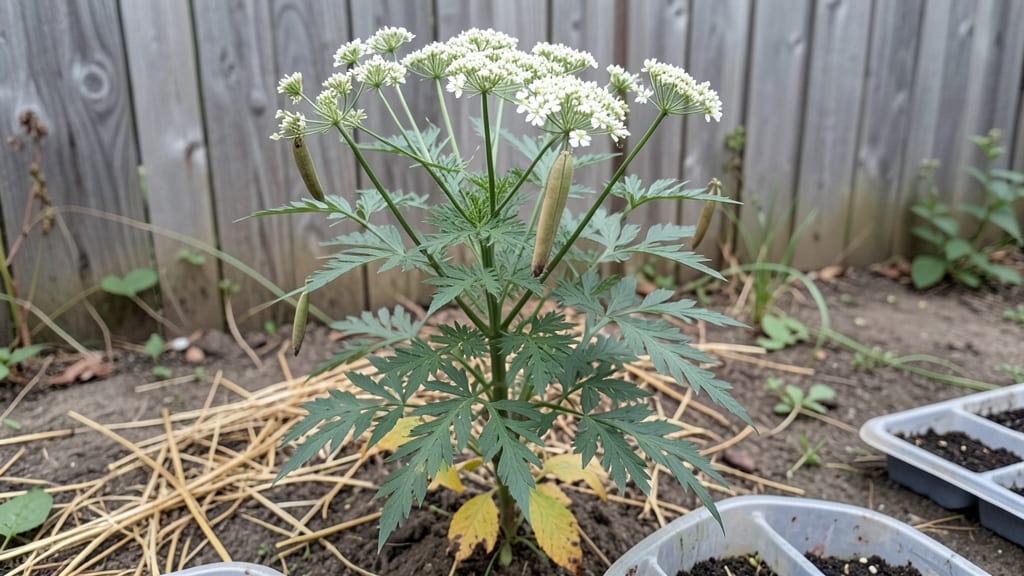
Growing anise seeds from scratch delivers a harvest of tiny, licorice-scented treasures in just 60 days—and the secret starts with a handful of seeds and a sunny windowsill or garden bed. 🌱 I’ve watched these delicate plants transform from sparse seedlings into fragrant bushes that smell like a candy shop, and the process is simpler than you’d think.
The key? Mimicking their Mediterranean roots with well-draining soil and patience, because anise doesn’t rush—it builds flavor over time.
You’ll need 3-4 hours of direct sunlight daily, a 1-inch-deep planting depth, and soil that drains like a sandy loam—no soggy roots allowed. Anise thrives in 6-inch spacing, so even a small container works if you’re short on ground space.
Water lightly but consistently, keeping the soil moist without turning it into mud. The real magic happens when those first finger-sized leaves appear, signaling it’s time to thin seedlings to avoid crowding.
By day 60, you’ll be harvesting seeds that taste like licorice candy and smell like a spice market—perfect for baking, teas, or even homemade absinthe. The plants stay productive for years if you let a few go to seed, turning your garden into a renewable spice cabinet.
Just watch for powdery mildew in humid climates and slugs in damp soil, both of which can steal your harvest if you’re not vigilant.
Whether you’re growing for the kitchen or just the joy of a fragrant herb, anise is a foolproof project that rewards beginners and seasoned gardeners alike.
The best part? You’ll have a crop so flavorful, your neighbors will ask where you bought it—then you can smile and say, “Grew it myself.”
📚 In This Guide
- What you need
- Instructions
- Tips and common mistakes
- Wrapping up and next steps
What you need
- ● Anise seeds: Purchase 1–2 packets (5–10g per packet) of organic anise seeds (Pimpinella anisum) from a reputable seed supplier.
- ● Containers: Use 4–6-inch deep pots (for seedlings) or a well-draining seed tray with drainage holes. Alternatively, a small raised bed (6–12 inches deep) works for direct sowing.
- ● Potting mix: High-quality seed-starting mix or a blend of 50% peat moss/coir, 30% perlite, and 20% compost for optimal drainage.
- ● Watering can or spray bottle: A gentle watering tool to avoid disturbing seeds.
- ● Fertilizer: Balanced liquid fertilizer (5-5-5 or 10-10-10) or compost tea for young seedlings.
- ● Sunlight access: A south-facing window or grow lights (12–16 hours/day) for indoor growing.
- ● Seedling heat mat: Keeps soil warm (70–75°F) for faster germination.
- ● Humidity dome or plastic wrap: Retains moisture during germination.
- ● Pruning shears or scissors: For trimming mature plants to encourage bushiness.
- ○ Support stakes or trellis: Helps tall plants stay upright (optional for dwarf varieties).
- ● pH testing kit: Ensures soil pH is 6.0–7.0 (anise prefers slightly acidic to neutral soil).
Step-by-Step instructions for growing anise seeds
Anise thrives with patience—here’s how to coax those delicate seeds into robust plants.
🌱 Step 1: Prepare Containers and Soil Mix
Anise seeds need well-draining soil to avoid rot, so combine 2 gallons of potting mix with ½ cup perlite in each container. I use 6-inch pots for each seedling since anise has a deep taproot. Fill the pot to 1 inch below the rim, leaving room for seeds and water.
Press the mix down lightly—just enough to eliminate air pockets but not compact it. The soil should crumble easily when pinched. Anise dislikes soggy roots, so ensure your containers have drainage holes. If not, drill them yourself—¼-inch holes work perfectly.
🌱 Step 2: Sow Seeds at the Right Depth
Anise seeds are tiny, so I scatter 5-6 seeds per pot on the soil surface. Press them lightly into the top ⅛ inch—they need light to germinate, so don’t bury them. Cover with a fine layer of sand or vermiculite (about ⅛ inch thick) to mark their location without smothering them.
Mist the soil gently with a spray bottle until it’s evenly damp. A heavy watering will dislodge the seeds, and anise germination is slow—14-21 days at best. Place the pots in a warm spot (70-75°F) with indirect light. A seedling heat mat helps speed up germination, but patience is key here.
☀️ Step 3: Provide Light and Airflow for Seedlings
Once sprouts appear, move them to a bright, south-facing window or under grow lights (14-16 hours daily). Anise seedlings grow slowly at first, so don’t rush them. You’ll know they’re thriving when first true leaves (not the tiny cotyledons) appear—usually 3-4 weeks after sowing.
Thin to the strongest seedling per pot by snipping weaker stems at the base. Avoid pulling—it disturbs roots. Keep the soil lightly moist (never soggy) and introduce gentle airflow with a small fan on low. This prevents damping-off, a fungal disease that turns seedlings to mush overnight.
🪴 Step 4: Transplant and Harden Off
After 6-8 weeks, when seedlings are 4-6 inches tall, transplant them to the garden or larger 1-gallon pots. Anise needs full sun (6+ hours daily) and well-drained soil. If planting outdoors, choose a spot with loose, sandy soil—it hates clay.
Harden off seedlings by placing them outside for 1-2 hours daily over 7-10 days, gradually increasing exposure. Watch for wilting or yellowing leaves—these are signs they’re not ready. Once acclimated, transplant on a cool, overcast afternoon to reduce shock. Space plants 12 inches apart to allow airflow.
✂️ Step 5: Maintain and Harvest
Water deeply once a week, letting the soil dry slightly between waterings. Anise is drought-tolerant but produces better flavor with consistent moisture. Fertilize lightly every 4-6 weeks with a balanced organic fertilizer (10-10-10)—too much nitrogen makes leaves grow at the expense of seeds.
Harvest leaves anytime by pinching stems just above a leaf node. For seeds, wait until late summer when seed pods turn brown and papery. Cut entire stems, hang them upside down in a dry, dark place, and let them dry fully. Shake pods to release seeds—60 days from sowing, you’ll have your harvest.
Tips & tricks for growing anise seeds successfully
Anise seeds demand precision and patience—here’s how to turn those tiny seeds into thriving plants without common pitfalls.
Soil Composition Secret: The 2:1 ratio of potting mix to perlite in Step 1 isn’t just about drainage—it mimics anise’s native Mediterranean soil. I recommend adding a handful of coarse sand to your mix for even better aeration. Anise roots are sensitive to compaction, so avoid pressing the soil too firmly when filling your 6-inch pots. The goal is a fluffy texture that holds moisture without suffocating roots.
Germination Environment: Those 14-21 days of waiting in Step 2 can feel endless, but consistency is key. Maintain that 70-75°F warmth by placing pots on a seedling heat mat or near a sunny window with indirect light. I’ve found that covering pots with clear plastic wrap creates a mini greenhouse effect that can cut germination time by 3-5 days—just remember to remove it once sprouts appear to prevent mold.
Light Management: The 14-16 hours of daily light in Step 3 is non-negotiable for anise. If your south-facing window isn’t sufficient, supplement with a grow light placed 6-12 inches above seedlings. I use LED grow lights on a timer to automate this—anise seedlings won’t tolerate inconsistent light cycles. Watch for leggy growth (long stems with small leaves) as a sign they need more light or need to be moved closer to the source.
Transplanting Timing: The 6-8 week mark in Step 4 is when anise seedlings finally show their true strength. Wait until you see those first true leaves (not the initial cotyledons) before transplanting. I’ve learned the hard way that rushing this step leads to shock—wait until seedlings are at least 4 inches tall with sturdy stems. When hardening off, start with those 1-2 hours daily in partial shade before gradually increasing exposure over 7-10 days.
Pro Tips for Grow Anise Seeds
- Anise seeds demand precision and patience—here’s how to turn those tiny seeds into thriving plants without common pitfalls.
- Soil Composition Secret: The 2:1 ratio of potting mix to perlite in Step 1 isn’t just about drainage—it mimics anise’s native Mediterranean soil.
- Germination Environment: Those 14-21 days of waiting in Step 2 can feel endless, but consistency is key.
Frequently asked questions
Got questions about growing anise seeds? You’re not alone!
Here are answers to the most common queries to help you cultivate a thriving anise harvest with confidence.
How long does it take for anise seeds to germinate?
Anise seeds typically germinate in 10–21 days after planting, depending on soil warmth and moisture. For faster results, soak seeds overnight or use a seedling heat mat (70–75°F is ideal). Patience is key—don’t give up if sprouts take longer!
Can I grow anise in containers, or does it need a garden bed?
Anise thrives in containers at least 12 inches deep with drainage holes. Use well-draining potting mix and place pots in full sun. Just ensure the container is wide enough—anise plants spread about 1–2 feet. Bonus: Containers make it easy to move plants to avoid frost!
Why aren’t my anise seeds sprouting? Troubleshooting tips.
If seeds refuse to sprout, check these fixes:
Cold soil? Anise needs warmth—wait until soil is at least 60°F or use a seedling heat mat.
Too dry? Keep soil consistently moist (not soggy) during germination.
Old seeds? Anise seeds lose viability after 2–3 years. Test freshness by crushing a seed—it should smell aromatic!
What’s the best way to harvest anise seeds for maximum flavor?
Harvest seeds when the umbels (flower clusters) turn brown and dry (usually 60–80 days after planting). Snip the seed heads with scissors, then dry them in a warm, dark place for 1–2 weeks. Store seeds in airtight containers—they’ll keep for up to 3 years!
Are there any alternatives to anise seeds if I can’t grow them?
If growing anise isn’t an option, try these flavor substitutes in cooking:
- Fennel seeds (milder, sweeter)
- Star anise (stronger, licorice-like)
- Licorice root powder (for baking)
- Combination of cinnamon + cloves (for warmth)
Pro tip: Star anise is the closest match but use sparingly—it’s much more potent!
Wrapping up and next steps
Growing anise seeds is a rewarding journey that yields fragrant, versatile herbs in just 60 days! With the right soil, sunlight, and care, you’ll soon enjoy their licorice-like aroma and culinary benefits.
Whether you’re a beginner or seasoned gardener, this guide makes it simple—so grab those seeds and let nature do the rest! 🌱
Ready to harvest and savor? Try experimenting with anise in teas, baked goods, or salads—then share your success with fellow herb lovers! 💬