
Trees
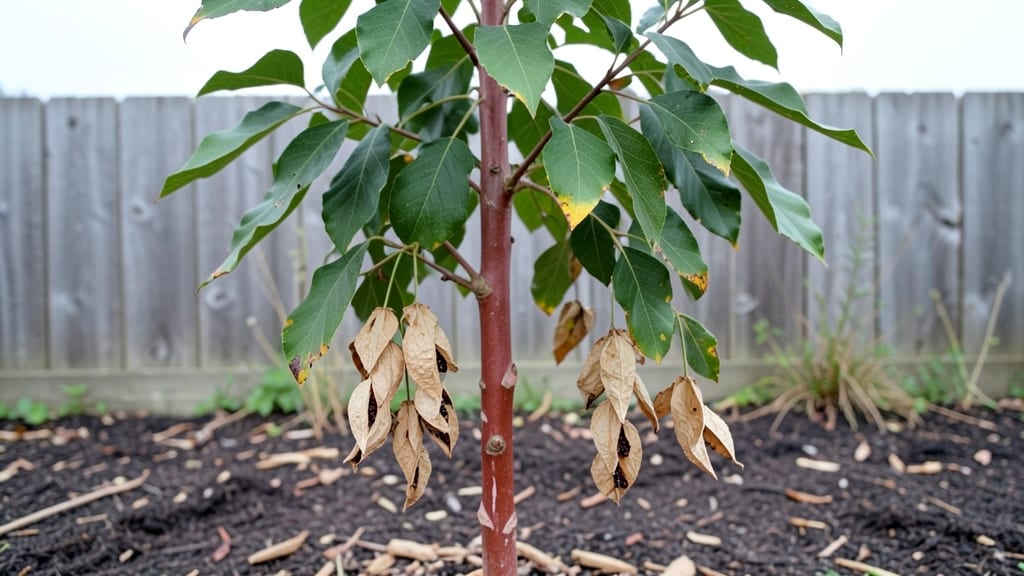
Harvesting round tree seed pods from catalpa or honey locust trees feels like uncovering nature’s hidden treasure. ✨ I’ve spent years watching these unique pods transform from green to brown, knowing each one holds the potential for new growth—if you know how to handle them right.
The key isn’t just collecting them; it’s cleaning them properly so the seeds inside stay viable for planting.
These pods—whether from catalpa trees with their long, bean-like shapes or honey locusts with their spiky clusters—are more than just pretty. They’re wildlife magnets, but they’re also a gardener’s secret weapon for adding shade or structure to your yard.
The trick to success? Timing your harvest after they’ve dried on the tree but before they split open on their own. A little patience here saves you from wasted seeds.
What you’ll end up with is a stash of clean, dry seeds ready to sprout into strong, fast-growing trees. Catalpa seeds, for example, can shoot up 6 feet in a single season if given the right conditions, while honey locusts develop that signature twisted wood structure.
The best part? These trees thrive in full sun to partial shade, making them versatile for almost any landscape.
Whether you’re planting them directly in the ground or starting them in pots, the process is simpler than you’d think. We’ll cover the full cycle—from harvesting to planting—so you can turn those pods into a thriving addition to your garden. Let’s get those seeds in the soil!
Nature’s Design Behind Seed Pods
Round tree seed pods aren’t just a quirky botanical oddity—they’re the result of evolutionary adaptations that ensure survival and reproduction. Understanding why they form helps gardeners and nature enthusiasts predict growth patterns, troubleshoot issues, and even encourage healthier trees. Let’s break down the science behind these fascinating structures.
Seed pods develop as part of a tree’s genetic blueprint, programmed to release seeds at the optimal time for germination. The round shape is often an adaptation for efficient seed dispersal. For example:
- Wind dispersal: Lightweight, round pods (like those of maples or ash trees) tumble easily in breezes, carrying seeds far from the parent plant to reduce competition. The spherical shape minimizes air resistance, allowing seeds to glide farther.
- Animal interaction: Some pods (e.g., from honey locusts) are designed to be eaten by wildlife. Their tough, round exteriors protect seeds until they pass through an animal’s digestive system—often in a new location—where they’re deposited as fertilizer.
- Explosive release: Trees like the Horseradish tree (Moringa oleifera) use round pods that split open when dry, catapulting seeds outward. The round shape helps distribute force evenly, maximizing range.
Actionable insight: If you’re growing trees from seed, observe the pod’s dehiscence (splitting mechanism). Mimic natural dispersal by scattering seeds in windy areas or near wildlife habitats to boost germination rates.
Seed pods don’t form overnight—they’re triggered by a combination of temperature, moisture, and daylight. Here’s how environmental factors play a role:
| Factor | How It Affects Pod Development | Example Trees |
|---|---|---|
| 🌞 Daylength (Photoperiod) | Short-day plants (common in temperate zones) produce pods when daylight shortens, signaling autumn. Long-day plants may delay pod formation until summer. | Sweetgum (Liquidambar), Catalpa |
| 💧 Moisture Levels | Drought stress can halt pod development, while consistent watering encourages full maturation. Overwatering, however, may lead to fungal infections that deform pods. | Jacaranda, Soybean |
| 🌡️ Temperature Fluctuations | Pods often form after a period of warm weather followed by a cool snap. Extreme heat or frost can stunt growth or cause premature drying. | Baobab, Mesquite |
Pro tip: 🌡️ If you’re cultivating trees from seed, monitor local climate patterns. For instance, leguminous trees (like acacias) thrive in warm, dry climates—mimic their conditions by planting in well-draining soil and avoiding soggy roots.
Not all round seed pods are a sign of healthy growth—sometimes, they’re a red flag. Pests and pathogens can alter pod shape, size, or even prevent seed development entirely. Common culprits include:
- Insect larvae: Beetles (e.g., Pod borers) or caterpillars burrow into developing pods, causing them to swell abnormally or remain small and round. Infested pods may also develop holes or weeping sap.
- Fungal infections: Diseases like anthracnose or powdery mildew can distort pods, making them lumpy or misshapen. Fungal spores thrive in humid conditions, often targeting young pods.
- Viral or bacterial issues: Conditions like bacterial blight can cause pods to harden prematurely or fail to split open, trapping seeds inside.
How to act:
- 🔍 Inspect pods regularly for chew marks, discoloration, or unusual textures.
- 💡 Use organic sprays (neem oil or insecticidal soap) if you spot early signs of infestation.
- ✂️ Prune affected branches to remove severely infected pods and improve airflow around the tree.
Warning: If pods appear consistently deformed across multiple trees in your area, consult a local arborist—it may indicate a regional pest outbreak.
A tree’s access to nutrients and minerals directly impacts pod development. Round, underdeveloped, or empty pods often signal nutritional deficiencies or poor soil health. Key factors:
- Nitrogen (N) deficiency: Leads to small, round pods with few or no seeds. Nitrogen is critical for leaf and pod growth.
- Phosphorus (P) shortage: Causes pods to mature slowly or fail to split open, trapping seeds inside. Phosphorus is essential for energy transfer during pod development.
- Potassium (K) imbalance: Weakens pod walls, making them prone to cracking or disease. Potassium also regulates water uptake, which affects pod firmness.
- Soil pH extremes: Most trees prefer slightly acidic to neutral soil (pH 6.0–7.0). Highly acidic (<5.0) or alkaline (>8.0) soil can lock out essential nutrients, stunting pod growth.
Soil solutions:
- 📊 Test your soil annually using a home kit or lab service. Adjust pH with lime (to raise pH) or sulfur (to lower it).
- 🌱 Amend soil with compost or organic matter (like aged manure) to improve nutrient retention.
- 💧 Use slow-release fertilizers in early spring to support pod formation without burning roots.
Pro tip: 🌿 For heavy feeders like mango or almond trees, side-dress with a balanced fertilizer (10-10-10) when flowers appear to ensure robust pod development.
Fixing Common Seed Pod Issues
When dealing with round tree seed pods, a few common challenges can arise—whether it’s unwanted germination, pests, or improper storage. Below are practical solutions tailored to each problem, along with prevention tips to keep your seed pods thriving.
If your seed pods start germinating too soon, they may lose viability or attract pests.
🔥 Fix It:
- 🍳 Dry Them Thoroughly – Spread pods in a single layer on a mesh screen or paper towel in a well-ventilated, dry area (60–70°F). Turn them occasionally for even drying (usually 1–2 weeks).
- 👨🍳 Store in Airtight Containers – Once fully dry (brittle to touch), place them in paper envelopes or breathable fabric bags (not plastic). Add a silica gel packet to absorb excess moisture.
- ⏰ Speed Up Drying (If Needed) – Use a fan on low or a dehydrator (115°F for 4–6 hours) to prevent mold.
💡 Prevention Tip: ✨ Harvest at Peak Ripeness – Collect pods when they’re fully brown and dry but before they split open naturally. Check daily in late fall/winter for most species.
Mold, weevils, or beetles can ruin your seed stash if conditions are right.
🔥 Fix It:
- 🔪 Freeze for 48 Hours – Place pods in a sealed bag and freeze them to kill eggs/larvae. Thaw before storing.
- 🌡️ Heat Treatment (For Serious Infestations) – Bake pods at 120°F for 1 hour (monitor closely to avoid fire).
- 🎯 Store in Cool, Dark Places – Keep containers in a pantry, fridge (short-term), or root cellar (ideal: 40–50°F).
💡 Prevention Tip: ✨ Inspect Before Storage – Discard any pods with holes, discoloration, or webbing. A fine mesh bag (1mm holes) can block pests while allowing airflow.
Even healthy-looking pods may fail to sprout if not prepped correctly.
🔥 Fix It:
- 🌡️ Stratification (Cold Treatment) – Mimic winter conditions by moistening pods in a plastic bag with damp peat moss, then refrigerating for 4–12 weeks (species-dependent).
- 🍎 Scarification (For Hard Shells) – Lightly sandpaper the toughest pods or soak in warm water for 24 hours to soften the outer layer.
- 📊 Test a Few First – Plant 5–10 pods in pots with well-draining soil (50% perlite/sand) to check viability before bulk planting.
💡 Prevention Tip: ✨ Label & Date Pods – Store seeds in small batches by tree species and harvest year to track freshness. Most round seed pods stay viable for 1–3 years if stored properly.
If pods crack open before you’re ready, seeds may scatter or dry out.
🔥 Fix It:
- 🍳 Harvest Early – Pick pods just as they turn brown (before they fully dry on the tree).
- 👨🍳 Use a Mesh Bag – Hang a breathable bag over branches to collect fallen pods without crushing them.
- ⏰ Speed Up Indoor Drying – Place pods on a screen near a heater (not direct heat) to dry faster than outdoor conditions.
💡 Prevention Tip: ✨ Monitor Weather – Harvest on dry, sunny days to reduce humidity-related splitting. Avoid rainy periods when pods are most prone to cracking.
Final Note: With the right care, your round tree seed pods can remain viable and pest-free for years—ready to grow into healthy saplings! 🌱✨
Frequently asked questions
Which common trees produce round seed pods?
Popular trees with round seed pods include catalpa (long, bean-like pods), honey locust (spiky clusters), sweetgum (spiky round balls), and Chinese parasol tree (spherical pods). These varieties are great for ornamental gardens and wildlife attraction.
Are round seed pods edible or safe for wildlife?
Most round seed pods aren't edible for humans, but they're excellent for wildlife! Birds and small mammals love the seeds inside. Catalpa pods, for example, attract hummingbirds, while honey locust pods feed squirrels and deer. Always research specific species first.
How do I know when round seed pods are ready to harvest?
Harvest when pods turn completely brown and dry but before they split open naturally. For catalpa, this is typically late fall/winter. Gently tap pods - if seeds rattle inside, they're ready. Avoid harvesting in wet conditions to prevent mold.
Can I grow trees from these round seed pods at home?
Start by cleaning seeds from pods, then stratify them (cold treatment) for 4-12 weeks depending on species. Plant in well-draining soil during spring. Catalpa seeds can grow 6 feet in one season with proper care!
What's the best way to store collected round seed pods?
Store pods in paper envelopes or breathable bags in a cool, dry place (40-50°F). Add silica gel packets to prevent moisture. Most remain viable for 1-3 years if kept dry. Never use plastic bags - they trap moisture and cause mold.