
Size
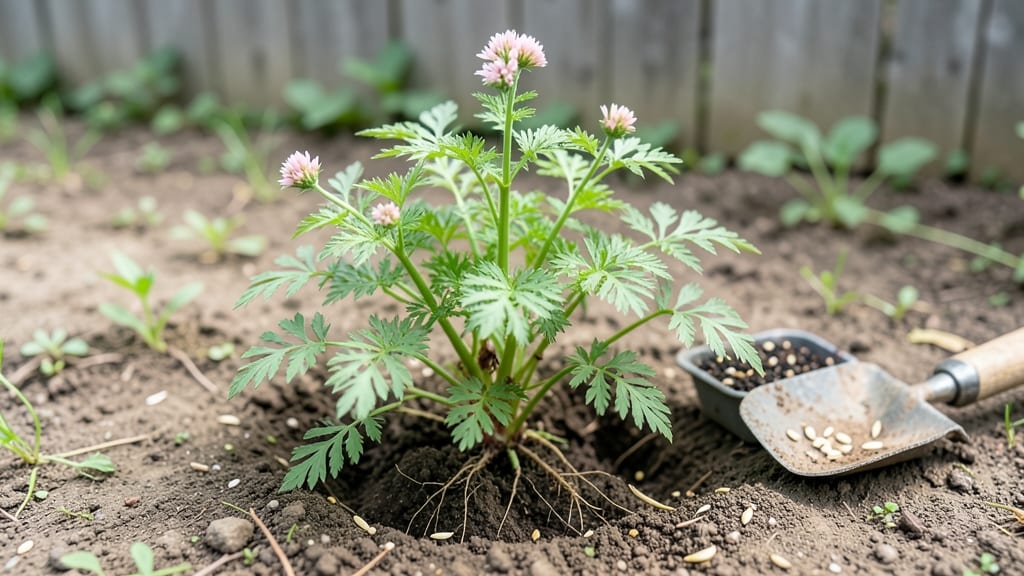
Growing cumin seeds from scratch delivers a harvest that tastes nothing like store-bought jars. 🌿 The secret lies in patience—these tiny seeds need consistent warmth and dry spells to mature into the fragrant pods we know.
I’ve grown cumin in my backyard for three summers now, and the difference in flavor is night-and-day compared to what you’ll find in spice aisles.
Start with well-draining soil in full sun—cumin thrives where other plants struggle, making it perfect for hot, dry climates or container gardens. You’ll need just a few seeds per plant, spaced about 12 inches apart, and water lightly only when the soil is bone-dry to the touch.
Overwatering is the fastest way to kill them, but once established, they’re shockingly drought-resistant.
By day 90, you’ll be snapping open pods to release seeds that smell like sunshine and earth. The harvest isn’t just for cooking—dried whole pods make stunning dried arrangements, and the seeds keep their flavor for months if stored properly.
This is the kind of project where the process becomes as rewarding as the harvest.
Works in zones 5-10, though it truly shines in hotter climates. Even beginners nail this—cumin forgives mistakes better than most herbs. Let’s get those seeds in the ground and start counting down to harvest time.
📚 In This Guide
- What you need
- Instructions
- Tips and common mistakes
- Wrapping up and next steps
What you need
- ● Cumin seeds: 1–2 lbs (organic, untreated seeds for best germination; brands like Burlap & Barrel or True Leaf Market work well).
- ● Well-draining soil: 10–15 lbs of a mix like cactus/succulent blend (or garden soil + perlite/sand at a 2:1 ratio).
- ● Containers: 5–10-inch pots (or a raised bed if planting directly; ensure drainage holes!).
- ● Sunlight: Full sun (6+ hours daily) or a grow light for indoor setups.
- ● Water: Low-moisture approach—cumin hates soggy roots!
- ○ Fertilizer (optional but helpful): Balanced 10-10-10 or compost (1 tbsp per plant every 4–6 weeks).
- ● Gloves: Protect your hands from prickly stems (gardening gloves work!).
- ● Trowel/spoon: For transplanting seedlings (a butter knife works in a pinch!).
- ● Spray bottle: For gentle watering (avoid overhead streams).
- ● Pruning shears: To trim dead leaves or encourage bushier growth.
- ● Drying rack/tray: For harvesting seeds (a wire rack or clean towel works).
- ○ pH test kit (optional): Aim for soil pH 6.0–7.0 (cumin is adaptable but thrives in neutral soil).
Step-by-Step instructions for growing cumin seeds
Here’s how to turn those tiny cumin seeds into a fragrant, sun-dried harvest—no greenhouse needed.
🌱 Step 1: Start Seeds Indoors for Strong Starts
Cumin thrives when started indoors 6-8 weeks before your last frost date. Fill 4-inch pots with sterile seed-starting mix (never garden soil—it’s too dense). Plant 2-3 seeds per pot just ¼ inch deep, since cumin seeds are small and need light to germinate properly. Press gently but don’t compact the soil—cumin roots need air.
Cover the pots with plastic wrap to retain warmth and moisture, then place them in a warm spot (70-75°F). A seedling heat mat speeds germination, but a sunny windowsill works too. Keep the soil evenly moist—not soggy, not dry. You’ll see sprouts in 7-14 days, though some seeds may take longer.
☀️ Step 2: Harden Off and Transplant Outdoors
Once seedlings have 2-3 true leaves (not just the first tiny cotyledons), it’s time to harden them off. Start by placing them outside in partial shade for 1-2 hours daily, gradually increasing exposure over 7-10 days. Watch for wilting or yellowing leaves—this means they’re not ready for full sun yet.
Transplant after the last frost when soil is at least 60°F. Space plants 12-18 inches apart in full sun—cumin loves heat and needs 6+ hours of direct sunlight daily. Mix 1 tablespoon of 5-10-5 fertilizer into the planting hole to give them a nutrient boost. Water deeply at transplanting to settle the roots.
💧 Step 3: Water and Maintain for Optimal Growth
Cumin is drought-tolerant once established, but young plants need consistent moisture. Water once a week, aiming for 1 inch of water per week—more in extreme heat. Let the top inch of soil dry out between waterings to prevent rot. Overwatering is the fastest way to kill cumin plants.
Mulch around the base with 1 inch of straw or grass clippings to retain moisture and suppress weeds. Avoid heavy mulch—cumin roots need airflow. You’ll know you’re doing it right when plants grow 12-18 inches tall with feathery, fern-like leaves. If leaves yellow or wilt, they’re thirsty—water immediately and reduce frequency afterward.
✂️ Step 4: Harvest and Dry for Maximum Flavor
Cumin seeds mature 90-100 days after planting. You’ll know they’re ready when the seed pods turn brown and dry on the plant. Snip the entire plant (or just the seed heads) with clean shears and bundle them upside-down in a dry, dark place for 2-3 weeks to finish drying.
Once fully dry, rub the pods between your hands to release the seeds. Store them in an airtight container away from light. Fresh cumin seeds keep for 6 months, while dried seeds last up to 2 years. The longer they dry, the stronger the flavor—so don’t rush it!
Tips & tricks for perfect cumin seed growth
These simple strategies will help you avoid common pitfalls and grow robust cumin plants that yield maximum flavor.
Germination Secret: Cumin seeds need light to germinate, so don't bury them too deep. Plant them just ¼ inch below the soil surface in sterile seed-starting mix—never garden soil, which is too dense. I've learned the hard way that compacted soil prevents those tiny roots from establishing properly. After planting, keep the soil evenly moist at 70-75°F—this warmth is critical for breaking dormancy.
Harden Off Gradually: The 7-10 day hardening process in Step 2 is non-negotiable. Start with just 1-2 hours of partial shade daily, then increase exposure slowly. I've seen seedlings wilt dramatically when moved too quickly to full sun. Watch for wilting or yellowing leaves—this is your plant's way of saying "slow down!" Once they've adjusted, they'll thrive in 6+ hours of full sun daily.
Watering Wisdom: Cumin's drought tolerance kicks in only after establishment. During the first 4-6 weeks after transplanting, water once a week for 1 inch of water. Let the top inch of soil dry between waterings—this prevents rot while keeping roots hydrated. I've lost plants to overwatering, so remember: less is more once they're settled in.
Harvest Timing: The 90-100 day window is when those seed pods turn brown and dry on the plant. Don't rush harvesting—wait until they're completely dry to maximize flavor. After cutting, bundle them upside-down in a dry, dark place for 2-3 weeks to finish drying. The longer they dry, the stronger and more aromatic your cumin will be.
Pro Tips for Grow Cumin Seeds
- These simple strategies will help you avoid common pitfalls and grow robust cumin plants that yield maximum flavor.
- Germination Secret: Cumin seeds need light to germinate, so don't bury them too deep.
- Harden Off Gradually: The 7-10 day hardening process in Step 2 is non-negotiable.
Frequently asked questions
Got questions about growing cumin seeds?
Here are answers to the most common ones—so you can harvest your own fragrant spice with confidence!
How long does it take to grow cumin seeds from planting to harvest?
Cumin seeds typically take 90–120 days to mature after planting, depending on your climate. In warm regions (like the Southwest U.S. or Mediterranean zones), you can expect a harvest in about 3 months. Cooler areas may need a longer growing season or a greenhouse to speed things up.
Can I grow cumin indoors or in containers?
Yes! Cumin thrives in containers at least 12 inches deep with well-draining soil. Place them in a sunny spot (like a south-facing window or under grow lights) for 6–8 hours of sunlight daily. Just ensure pots have drainage holes to prevent root rot—cumin hates soggy soil!
Why aren’t my cumin plants flowering or producing seeds?
Common culprits include insufficient sunlight (cumin needs full sun), poor soil (amend with compost), or overwatering. If your plants look leggy or weak, try relocating them to a sunnier spot and reducing water. Patience is key—cumin flowers late in the season!
What can I plant alongside cumin to improve growth?
Cumin loves companion plants like basil, marigolds, or onions, which deter pests. Avoid planting near fennel or dill, as they can compete for nutrients. Interplanting with beans also works—beans fix nitrogen in the soil, benefiting cumin’s growth!
How do I know when cumin seeds are fully ripe and ready to harvest?
Harvest when the seed pods turn brown and papery (usually late summer to early fall). Gently rub the pods between your hands to release seeds—or cut the entire seed head and dry it indoors for 1–2 weeks. Pro tip: Store seeds in an airtight container away from light to preserve their flavor!
Wrapping up and next steps
Growing your own cumin seeds is a rewarding journey that connects you to nature’s spice cabinet! With the right soil, sunlight, and patience, you’ll harvest fragrant, homegrown seeds in just 90 days.
Whether you’re a seasoned gardener or a curious beginner, this sun-dried spice adventure is well within reach—just follow the steps, stay consistent, and enjoy the process.
Now that you’re armed with knowledge, why not take the next step? Try planting a small batch this season and experiment with flavors in your cooking. Share your progress with fellow gardening enthusiasts or even gift your harvest to friends—homegrown cumin tastes like success! 🌱✨