
How To
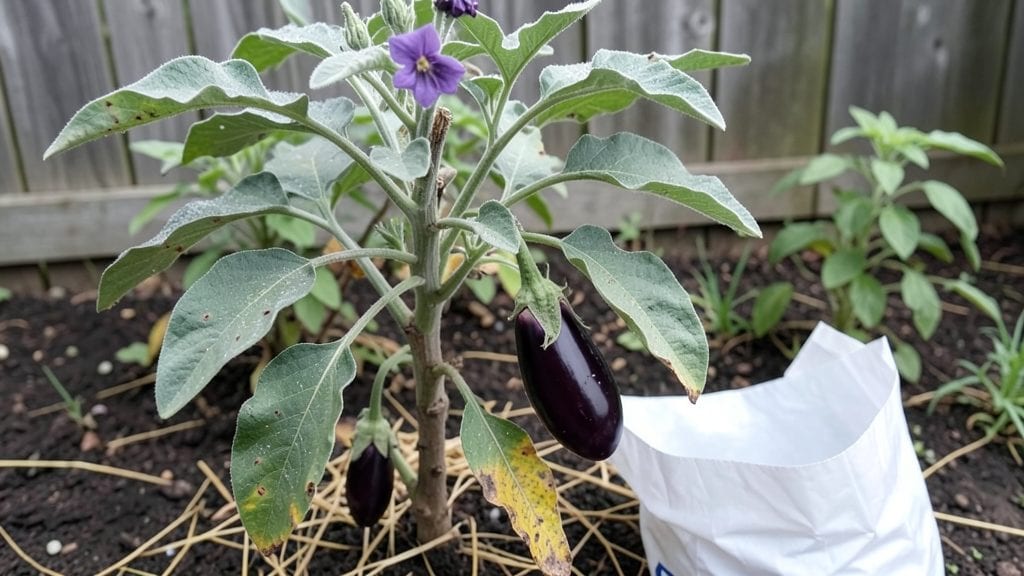
Harvesting eggplant seeds from your homegrown 🍆 lets you save money and grow rare varieties year after year—without buying new plants.
Did you know you can turn your store-bought eggplants into a seed bank for free? With just a few simple steps, you’ll unlock heirloom flavors and textures that disappear from grocery stores. No special tools or greenhouses are needed—just patience and a sunny windowsill.
This method works best with open-pollinated varieties, which produce seeds that grow true to the parent plant. Hybrid eggplants (like many store-bought ones) won’t yield reliable seeds, but heirloom types deliver plump, flavorful results.
Below, I’ll walk you through selecting the right fruit, extracting the seeds, and storing them so they’re ready for next spring’s planting.
You’ll save $20–$50 per season while gaining access to varieties that taste nothing like the bland supermarket options. Ready to turn your kitchen scraps into next year’s garden? Let’s get started.
Step-by-step guide to harvesting eggplant seeds from ripe fruit
Saving eggplant seeds from your garden is a rewarding way to preserve heirloom varieties and reduce costs next season. The process starts with selecting the right fruit—overripe or slightly yellowed eggplants yield the most viable seeds.
Unlike harvesting for eating, you’ll let the fruit stay on the vine longer to develop fully mature seeds.
Before you begin, ensure you’re working with open-pollinated varieties, as hybrid eggplants won’t produce true-to-type seeds. If you’re unsure, check seed packets or plant tags. Once you’ve identified your fruit, follow these steps to extract, clean, and store seeds properly for long-term viability.
Choose fully mature eggplants that are soft, slightly wrinkled, and turning yellow or brown. These signs indicate the seeds are ready for harvest. Avoid green or firm fruit—seeds won’t be viable.
Cut the eggplant lengthwise with a clean knife, exposing the gelatinous interior and seeds. Scoop out the seed pulp into a bowl, leaving behind the skin and flesh. Wear gloves if you’re sensitive to eggplant latex.
Place the seed pulp in a wide-mouth jar and fill it with water, leaving 1 inch of space at the top. Cover loosely with a cloth or lid and let it ferment for 2-4 days in a warm spot. This process removes the gelatinous coating and kills mold.
After fermentation, stir the mixture and pour it through a fine-mesh strainer to separate seeds from pulp. Rinse seeds under cool water until the water runs clear. Spread them on a paper towel to air-dry slightly before final drying.
Lay seeds in a single layer on a clean, dry surface like a paper plate or seed drying screen. Place them in a warm, dry spot (70-80°F) away from direct sunlight. Stir seeds daily to prevent clumping. They’re ready when hard and brittle, typically in 5-7 days.
Transfer dried seeds into paper envelopes or glass jars with a silica gel packet to absorb moisture. Label with the variety name and harvest year. Store in a cool, dark place (like a fridge) for up to 5 years.
Proper drying is critical—moisture is the enemy of seed viability. If seeds feel damp or develop mold, discard them and repeat the process with fresh pulp. For best results, work with 3-5 eggplants to yield enough seeds for next year’s garden.
Once your seeds are stored, you’ll have a self-sustaining supply of eggplants tailored to your taste and growing conditions. Just remember: heirloom varieties are worth the extra effort, offering unique flavors and textures you won’t find in stores.
If you’re new to seed saving, start with one variety and document your process. Over time, you’ll refine your technique and expand your seed library with confidence.
🌱
Best eggplant varieties for seed saving and how to identify them
Not all eggplants are created equal when it comes to seed saving. Open-pollinated varieties are your best bet—they produce true-to-type seeds that maintain their unique flavors and traits.
Heirloom varieties like Black Beauty or Ichiban are classic choices, but rare types like Rosa Bianca or Graffiti (striped skin) are perfect for expanding your seed collection.
Hybrid eggplants, like Black Beauty F1, often produce sterile seeds or seeds that won’t grow true to the parent plant. Always check seed packets or plant tags for labels like "OP" (open-pollinated) or "heirloom" to ensure you’re saving seeds from the right types.
If you’re unsure, stick to organic or seed-saving-focused growers.
Identifying open-pollinated vs. hybrid eggplants is simple: hybrids are usually labeled with an "F1" (first-generation hybrid) designation. Open-pollinated varieties will have no such label. For rare or heirloom varieties, look for descriptions like "non-GMO" or "preserved heirloom"—these are ideal candidates for seed saving.
When saving seeds from heirloom eggplants, focus on varieties that produce large, healthy fruit with plenty of seeds inside. Small-fruited types like Fairy Tale may yield fewer seeds, but their unique shapes and colors make them worth saving.
Always harvest seeds from fully mature fruit—let it ripen completely on the plant before picking.
Genetic integrity is key when saving seeds. To avoid cross-pollination, plant only one variety at a time or isolate plants by at least 500 feet if growing multiple types. If space is limited, use row covers or hand-pollinate flowers with a paintbrush to control pollination. This ensures your seeds stay true to the parent plant’s traits.
Once you’ve identified your open-pollinated eggplants, the next step is harvesting seeds. Look for fully ripe fruit—it should feel soft when pressed and have a slightly wrinkled skin.
Cut the eggplant open, scoop out the seeds, and rinse them thoroughly. This prepares them for drying and storage, ensuring high viability for next season.
Now that you know which varieties to save, you’re ready to build your own eggplant seed bank. Start with 3-5 plants of a single variety, and expand as you gain confidence.
With proper selection and care, you’ll enjoy homegrown heirloom eggplants for years to come—all from seeds you saved yourself!
🌱
| Variety | Type | Seed Viability | Notes |
|---|---|---|---|
| Black Beauty | Open-Pollinated | High | Classic heirloom; large seeds, easy to save. |
| Rosa Bianca | Open-Pollinated | High | Creamy white skin; unique flavor, great for seed saving. |
| Ichiban | Open-Pollinated | Very High | Japanese heirloom; prolific seeder, sweet flavor. |
| Graffiti | Open-Pollinated | High | Striped skin; visually striking, great for seed swaps. |
| Fairy Tale | Open-Pollinated | Medium | Small fruit; fewer seeds but unique shape. |
| Black Beauty F1 | Hybrid | Low | Avoid saving seeds; sterile or inconsistent traits. |
| Listado de Gandia | Open-Pollinated | High | Spanish heirloom; striped, sweet, and reliable seeder. |
For rare or heirloom varieties, always prioritize genetic purity by isolating plants. If you’re growing multiple types, consider hand-pollinating flowers with a soft paintbrush to control cross-pollination. This ensures your saved seeds will grow into plants that match the original variety’s traits—no surprises in flavor or appearance!
Once you’ve identified your best eggplant varieties for seed saving, keep a seed journal to track which plants produce the most viable seeds. Note the fruit size, seed quantity, and any unique traits.
Over time, you’ll refine your seed-saving skills and build a collection of homegrown heirlooms that thrive in your garden.
🌿