
How To
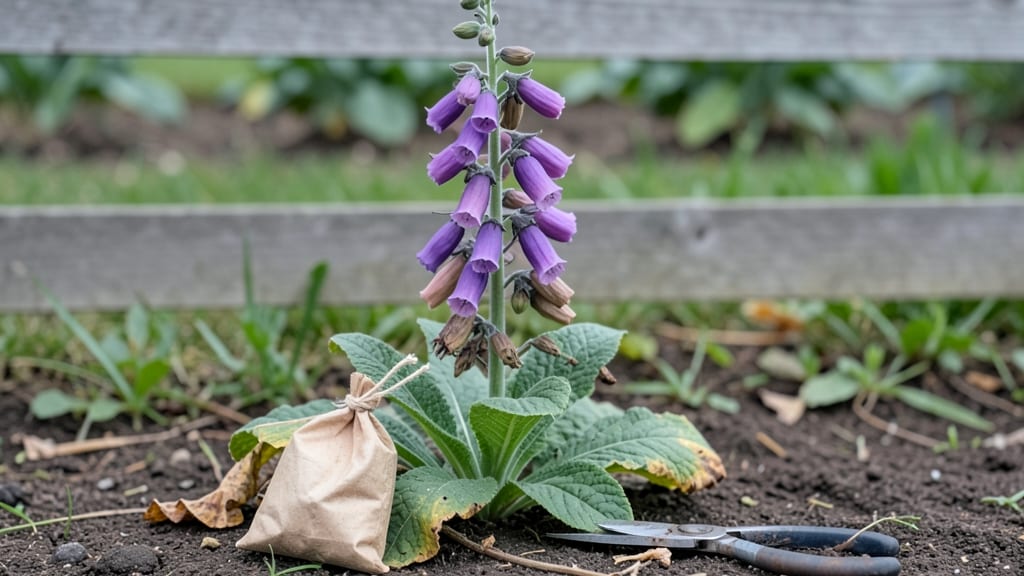
Harvesting foxglove seeds at the right time ensures stronger, healthier plants next year 🌸 — and skipping this step means weak seedlings that struggle to thrive.
Foxglove’s striking bell-shaped flowers aren’t just beautiful—they’re nature’s way of ensuring your garden thrives for years. But harvesting their seeds at the right time can mean the difference between weak, spindly plants and robust foxgloves that dominate your landscape.
If you’ve ever watched your seed pods turn brown only to find the seeds inside still underdeveloped, you know how easy it is to harvest too early. The key is timing: late summer to early fall, when pods split open naturally and seeds are dark and fully formed.
In this guide, I’ll walk you through exactly when to collect foxglove seeds, how to handle them safely (yes, even the toxic parts!), and the best storage tricks to keep them viable for up to two years.

When to harvest foxglove seeds for optimal germination and plant strength
Timing is everything when harvesting foxglove seeds. Collect them too early, and you’ll end up with weak, non-viable seeds that won’t germinate. Harvest too late, and the seeds may scatter naturally, wasting your effort.
The key is watching for visual cues and understanding the plant’s natural cycle to ensure you get seeds that produce strong, healthy plants next season.
Foxglove (Digitalis purpurea) typically sets seed pods after flowering, which usually occurs between June and August, depending on your climate zone. The best time to harvest is during late summer to early fall, specifically when seed pods mature but haven’t yet released their seeds naturally.
This window is critical—usually August through September in most temperate regions.
Here’s the summary table breaking down the exact stages to watch for:
| Stage | Visual Cues | Action | Best Time |
|---|---|---|---|
| Early Flowering | Bell-shaped flowers appear | Observe plant health | June-July |
| Seed Pod Formation | Green, firm pods develop | Monitor for color change | July-August |
| Maturing Pods | Pods turn brown and dry | Harvest when pods rattle with seeds | Late August-September |
| Overripe Pods | Pods split open, seeds scatter | Avoid harvesting at this stage | October |
One of the easiest ways to confirm seed readiness is by giving the pods a gentle shake. If you hear a dry rattling sound, it’s a sign the seeds inside are mature and ready for collection.
This typically happens when the pods turn from green to brown. If you harvest too soon, the seeds won’t have fully developed, resulting in poor germination rates.
Climate plays a big role in seed maturity. In cooler regions (USDA zones 3-5), pods may take longer to mature, so start checking in mid-August. In warmer zones (6-8), pods might be ready as early as late July.
Always prioritize harvesting before the first frost, as cold temperatures can reduce seed viability.
Another key visual cue is the stem’s response. When pods are ready, the stems become brittle, and you can often twist them off with minimal effort. If the stem resists, the pods aren’t fully mature yet.
This is especially useful for tall foxglove varieties, where reaching the pods can be tricky without damaging the plant.
If you’re in a humid climate, be cautious about harvesting too late. Excess moisture can cause the pods to split prematurely or develop mold. In these cases, aim to harvest by mid-September to avoid these issues.
Always harvest on a dry, sunny day to allow the pods to dry properly afterward.
Remember, foxglove seeds can remain viable for up to 2 years if stored correctly, so don’t rush the process. Patience pays off when you’re rewarded with strong, vigorous plants the following spring.
With the right timing, you’ll ensure your foxglove seeds are ready to create next year’s stunning bell-shaped blooms.
🌸
Step-by-step foxglove seed harvesting process: tools and techniques
Harvesting foxglove seeds at the right moment ensures strong germination for next year’s plants. The process requires patience and precision—especially since foxglove plants are toxic if mishandled. Start by gathering your harvesting tools and working on a dry, sunny day to prevent moisture-related issues.
I’ve learned that even a small mistake can reduce seed viability, so let’s break it down step by step.
Before you begin, wear thick gardening gloves to protect your skin from the plant’s toxic sap. Foxglove’s seed pods are delicate, so avoid crushing them during collection. Use clean pruning shears or scissors to cut stems with pods still attached, leaving about 2 inches of stem for easier handling.
Place harvested pods in paper bags to allow airflow while preventing seed loss.
How to Harvest Foxglove Seeds
- Step 1: Wait for pods to mature – Collect seeds only when pods turn dry and brown and begin splitting open naturally. Premature pods (still green) won’t yield viable seeds.
- Step 2: Cut stems carefully – Use sterilized pruners to snip stems just below the seed pod. Leave 2 inches of stem attached to avoid damaging the pod during handling.
- Step 3: Store in paper bags – Place harvested pods in breathable paper bags to dry. Label bags with the harvest date and foxglove variety for organization.
- Step 4: Dry indoors for 2-3 weeks – Hang bags upside down in a well-ventilated, dry area (like a garage or shed). Avoid direct sunlight to prevent overheating.
- Step 5: Shake out seeds – Once pods are completely dry, gently crush them over a clean sheet of paper to release seeds. Discard empty husks.
- Step 6: Store seeds properly – Keep seeds in a sealed envelope or airtight container with a desiccant packet to prevent moisture. Store in a cool, dark place for up to 2 years.
Drying foxglove seed pods indoors is ideal, but if you prefer outdoor drying, choose a shady, sheltered spot like under a porch roof. Avoid damp conditions, as excess moisture can cause mold growth and ruin your seeds.
I’ve found that outdoor drying works well in dry climates, but always monitor pods closely for signs of spoilage.
Once seeds are fully dry, test their viability by placing a few in a glass of water. Viable seeds will sink, while empty or damaged ones will float.
This quick check helps you avoid wasting time planting low-quality seeds. Store only the sunk seeds in a labeled container for future planting.
Remember, foxglove seeds require stratification (a cold period) to germinate successfully. After harvesting, place seeds in the fridge for 4-6 weeks before sowing. This mimics winter conditions and significantly improves germination rates. With proper care, your harvested seeds can produce vibrant foxgloves for years to come!