
Picking
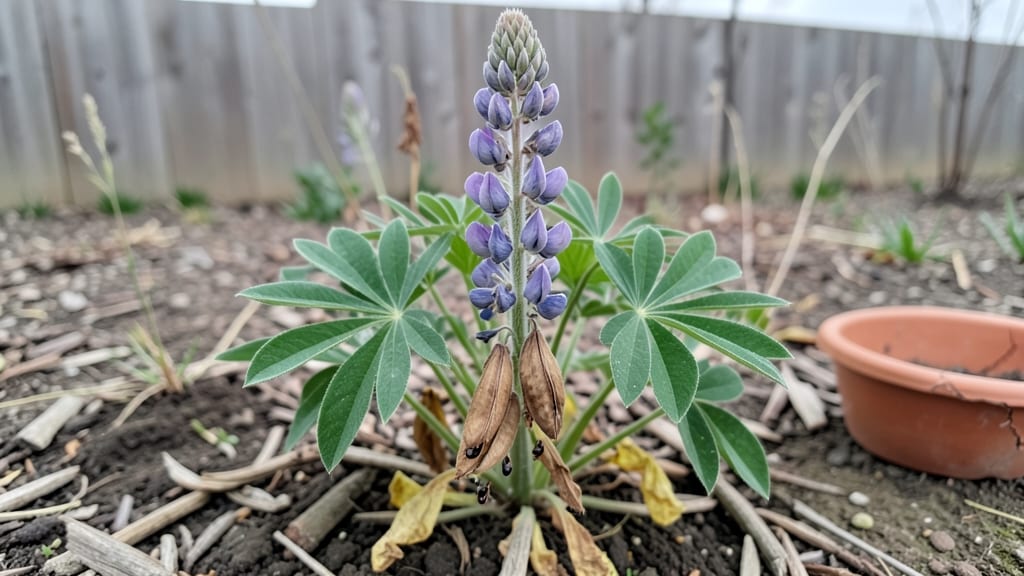
Harvesting lupine seeds requires waiting until the pods turn completely brown and dry on the plant, then gently twisting them to release the seeds. Collect all mature pods, dry the seeds thoroughly, and store them in a cool, dark place with silica gel or rice to prevent mold. Never harvest green pods, as the seeds won't be ready for planting.
Timing is everything when harvesting lupine seeds—waiting too long can cause pods to split open naturally, scattering seeds everywhere. 🌱 I recommend checking pods daily during late summer when they begin turning brown; a mature pod will feel dry and papery to the touch, with seeds rattling inside when shaken.
Once collected, spread seeds on a screen in a dry, shaded area for 2-3 weeks to ensure full dryness before storage, as even slight moisture can trigger mold growth.
For long-term storage, I've found that paper bags with small holes work best for initial drying, while airtight containers with desiccant packets keep seeds viable for years. Always test a few seeds by planting them first—if they sprout within 10 days, your harvest is ready for next season.
💡 In This Article
- Identifying Mature Lupine Seed Pods
- Long-Term Lupine Seed Storage Techniques
Identifying mature lupine seed pods
Mature lupine pods undergo dramatic visual and tactile changes as they ripen.
The key indicator is their color transformation—green pods turn to a deep, papery brown when fully mature, similar to how sunflower seed heads darken before harvest. 🌿 What's happening chemically is the pod's cell walls lignify, making them tougher and less prone to splitting prematurely.
This process typically occurs between late summer and early fall, depending on your climate zone.
Texture is your next clue: mature pods feel dry and brittle, almost like crinkled paper, while immature pods remain slightly pliable. Give a mature pod a gentle shake—you'll hear seeds rattling inside like marbles in a tin can.
This "seed rattle" test is foolproof because the seeds inside have fully dehydrated, losing their moisture content to below 10%—critical for viability. Immature pods, by contrast, feel spongy and may ooze a milky sap when cut open.
Timing matters because lupines are annuals that bolt (flower and set seed) quickly after establishing. The pods take roughly 6-8 weeks to mature from flower bloom to full ripeness. Here's a visual checklist:
- Color: Uniform brown (not green or mottled)
- Texture: Dry, papery, and splitting at seams
- Sound: Audible seed rattle when shaken
- Opening: Seeds visible through translucent pod walls
What most gardeners overlook is the seed color inside—mature lupine seeds should be a rich, chocolate-brown, not pale or greenish. This dark pigmentation indicates full protein development, which is why lupine seeds are prized for their 30-40% protein content, comparable to soybeans.
The seeds' hard outer coat also thickens during maturation, protecting the embryo from desiccation during storage.
Pro tip: Harvest pods on a dry morning after dew has evaporated. The lower humidity prevents premature seed germination inside the pod.
If you find pods already split open, collect the seeds immediately—they'll remain viable for 1-2 weeks if kept in a cool, dry place, but their germination rate drops sharply after that. 🌱
For visual learners, think of lupine pods like coffee cherries: both turn from green to brown as they mature, but while coffee cherries soften, lupine pods harden. This opposite behavior is why you can't use the same "squeeze test" for both—lupine pods should never feel soft, even when mature.