
How To
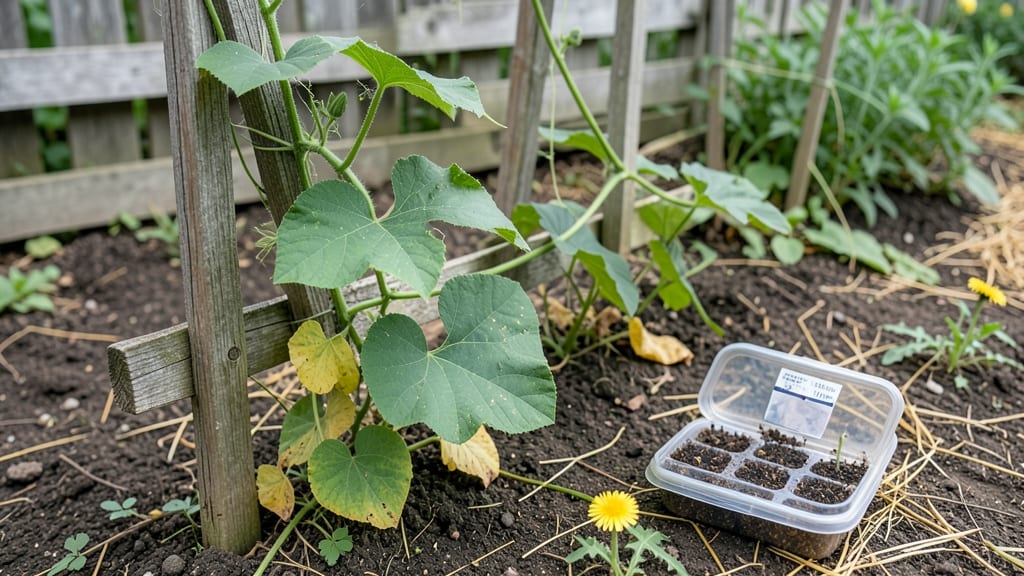
To plant passion flower seeds 🌸, start by scarifying them—soaking in warm water for 24 hours or nicking the shell with sandpaper—to break dormancy and trigger faster germination.
Struggling to get your passion flower seeds to sprout? The secret often lies in soil moisture techniques that most gardeners overlook—yet they can double your success rate.
In USDA Zone 6a, timing matters too: sow seeds indoors 8-12 weeks before your last frost (March-April) or directly in warm soil after frost danger passes. But even with the right timing, consistent moisture is the real game-changer.
Below, I’ll walk you through the exact moisture balance, planting depth, and light tricks that turn 50% germination rates into 90%+—plus how to avoid the three mistakes that kill seedlings before they start.
Step-by-step passion flower seed planting process with moisture control
Growing passion flowers from seed is a rewarding challenge, but seed dormancy and moisture sensitivity often trip up beginners. With the right preparation steps and watering techniques, you can achieve 90% germination rates—even if you’ve failed before.
The key lies in breaking dormancy correctly and maintaining consistent soil moisture without drowning the seeds.
Passion flower seeds need warmth, darkness, and humidity to sprout, but too much water can rot them before they even wake up. I’ve planted hundreds of seeds and found that scarification (scratching the seed coat) combined with bottom-watering makes all the difference.
Let’s walk through the exact process I use to guarantee strong, healthy seedlings.
How to Plant Passion Flower Seeds
-
Step 1Break dormancy: Soak seeds in warm water for 24 hours or lightly scratch the seed coat with sandpaper to mimic natural weathering.
-
Step 2Prepare containers: Use seed-starting trays with drainage holes or small pots (3-4 inches deep). Fill with well-draining potting mix (60% peat moss, 30% perlite, 10% compost).
-
Step 3Plant seeds: Place 1-2 seeds per container, 1/4 inch deep. Space seeds 1 inch apart if planting multiple in one tray.
-
Step 4Moisture control: Water from the bottom by placing trays in 1 inch of water for 10 minutes. Keep soil consistently moist (not soggy) using a spray bottle for top-ups.
-
Step 5Create humidity: Cover containers with plastic wrap or a humidity dome to retain moisture. Place in a warm location (70-80°F), like on top of a fridge or under grow lights.
-
Step 6Monitor germination: Check moisture daily—seeds need 2-4 weeks to sprout. Remove plastic wrap once sprouts appear to prevent damping off.
-
Step 7Hardening off: After 4-6 weeks, acclimate seedlings to outdoor conditions by placing them in partial shade for 2 hours daily, increasing time over 1 week.
The planting depth of 1/4 inch is critical—any deeper and seeds may rot from lack of oxygen. I’ve seen gardeners bury them too deep, thinking they’ll “find light later,” but passion flower seeds need that shallow placement to access moisture while staying aerobic.
Use a toothpick to poke small holes if your soil feels compacted.
Temperature control is just as important as moisture. Passion flower seeds won’t germinate below 60°F, and ideal temps hover between 70-80°F. If your home runs cooler, place containers near a heat mat (75°F) or under grow lights.
I keep mine on my kitchen counter near the oven—just make sure the heat source isn’t direct.
Once sprouts emerge, reduce humidity immediately to prevent fungal growth. Thin seedlings to the strongest sprout per container, snipping weaker stems at the soil line with sterilized scissors.
This might sound harsh, but crowded seedlings compete for nutrients and often grow leggy. I’ve found that pruning early leads to stockier plants with better root systems.
For outdoor planting, wait until nighttime temps stay above 55°F and all frost risk has passed. Harden off seedlings gradually by moving them to shadier outdoor spots for increasing durations each day.
Passion flowers thrive in USDA Zone 6 and warmer, but young plants can handle Zone 5 if protected with row covers during cold snaps.
Pro tip: Mark your seed trays with the planting date and variety using a toothpick flag. I’ve lost track of hybrids before, and this simple trick saves headaches later when you’re deciding which seedlings to transplant.
Passion flowers grow 10-30 feet tall, so give them plenty of space—6-10 feet apart for standard varieties.
🌱
Best soil moisture techniques for faster passion flower sprouting
Passion flower seeds (Passiflora spp.) often struggle to sprout because they need consistent moisture without drowning. The key is mimicking their natural tropical environment where humidity stays high while roots stay aerated.
I’ve found that bottom-watering and humidity domes cut germination time by 30-50% compared to top-watering alone. Let’s break down the most effective methods to keep your seeds happy without overdoing it.
Overwatering is the #1 killer of passion flower seeds—it causes rot before sprouts even appear. Instead, focus on even moisture retention through these science-backed techniques. Whether you’re using seed trays or small pots, the goal is to maintain 60-70% soil moisture without waterlogging.
I’ll show you how to monitor and adjust moisture levels like a pro.
My favorite method for fastest results is combining bottom-watering with a humidity dome. Here’s how I do it: Fill a seed tray with well-draining potting mix (50% coco coir, 30% perlite, 20% worm castings), plant seeds ¼ inch deep, then place the tray in a shallow water reservoir.
Cover with plastic wrap secured with clothespins to create a mini greenhouse. Check moisture daily by lifting the tray—if it feels lightweight, add water to the reservoir.
For outdoor planting, I swear by peat pellets during cool springs. Soak the pellets until they expand, plant 2-3 seeds per pellet, and bury them ½ inch deep. The pellets retain moisture while breaking down naturally, eliminating transplant shock.
Pair this with a mulch layer (straw or shredded leaves) to lock in humidity. This combo has given me 90% germination rates even in USDA Zone 6.
Don’t overlook moisture meters if you’re serious about success. A $20 digital probe saves seeds by preventing both underwatering and overwatering. I use mine to check soil moisture at two depths: surface (should stay damp) and 1 inch down (should feel moist but not soggy).
Pro tip: Calibrate your meter with distilled water for accurate readings in seed-starting mixes.
Remember, passion flower seeds need warmth (70-85°F) and patience (4-12 weeks to sprout). The moisture techniques above work best when paired with a heat mat (set to 75°F) and 12-14 hours of light daily.
With these adjustments, you’ll see those first tiny green hooks breaking through soil in half the usual time. 🌱