
Container Gardens
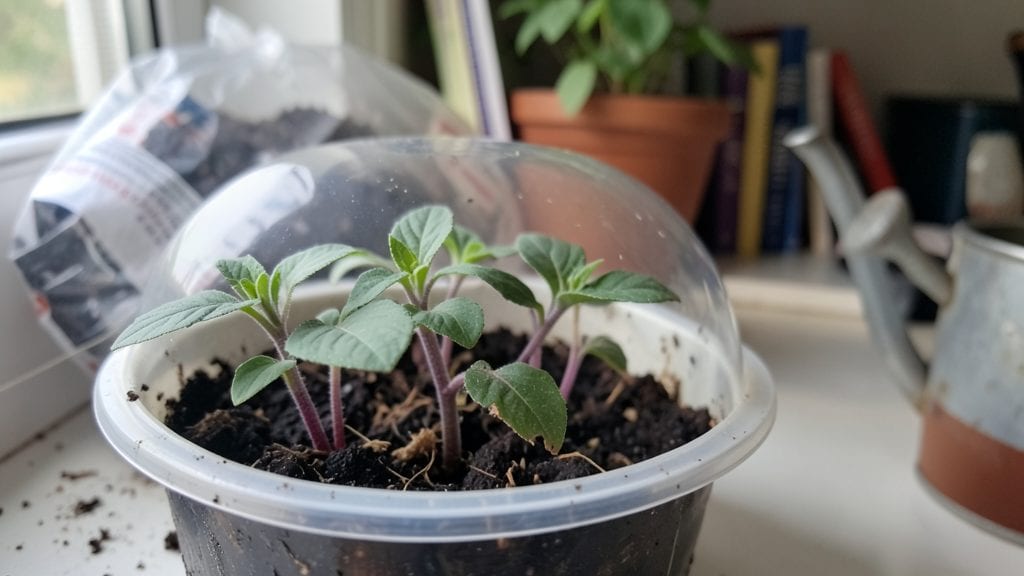
Starting jalapeno seeds indoors with fast germination and moist heat means you’ll have stocky, ready-to-transplant seedlings by early spring—no more rushing to find transplants at the nursery. 🌱 I learned the hard way that standard seed-starting methods leave peppers lagging behind tomatoes and greens, but this trick cuts germination time in half while keeping roots strong.
The secret lies in mimicking the warm, humid conditions peppers crave in their native tropics.
You’ll need a heat mat (or a warm spot on your fridge), a clear plastic dome or bag to trap moisture, and a mix of 70% peat moss or coconut coir and 30% perlite to prevent damping-off.
Most beginners overlook humidity—pepper seeds need it to stay moist without turning to mush.
Within 5-7 days, you’ll see those first little sprouts pushing through the soil, and by week 3, seedlings will be ready for their first real light. The key is keeping the soil consistently damp (not soggy) and avoiding cold drafts—peppers hate temperature swings.
Once they’ve got 4-5 true leaves, they’ll handle the great outdoors.
This method works for any pepper variety, from mild bell peppers to fiery habaneros, and scales from a windowsill to a grow light setup. The payoff? Homegrown peppers that outperform store-bought transplants by weeks—and the satisfaction of growing something that actually packs heat.
📚 In This Guide
- What you need
- Instructions
- Tips and common mistakes
- Wrapping up and next steps
What you need
- ● Jalapeño seeds: 5–10 seeds (fresh or saved from store-bought peppers—just check for viability!)
- ● Seed-starting trays: 1–2 (with individual cells or small pots, 2–3 inches deep)
- ● Seed-starting mix: 1–2 cups (sterilized, lightweight blend like Pro-Mix or coco coir)
- ● Plastic wrap or humidity dome: 1 sheet (to retain moisture)
- ○ Heat mat (optional but highly recommended): 1 (set to 75–85°F for faster germination)
- ● Grow lights or sunny windowsill: Access to 6+ hours of light daily (LED or fluorescent bulbs work best)
- ● Spray bottle: 1 (for gentle watering)
- ● Labels & marker: To track seed varieties and planting dates
- ● Bottom watering tray: 1 (keeps roots consistently moist)
- ● Fertilizer (low-dose): 1 tsp diluted fish emulsion or seaweed extract (after sprouts emerge)
- ● Thermometer: 1 (to monitor soil temp—ideal range: 70–90°F)
- ● Perlite or vermiculite: Small handful (for drainage if mixing your own soil)
- ● Plant clips or toothpicks: 2–3 (to support seedlings as they grow)
Step-by-Step instructions for starting jalapeno seeds indoors
Here's how I guarantee quick germination using the moist heat trick—your peppers will pop in days, not weeks.
🌱 Step 1: Prepare Containers and Seed Starting Mix
Fill 4 individual 2-inch deep pots with the 2 gallons of seed-starting mix—this light, sterile blend prevents damping-off and gives roots room to stretch. Press the mix down gently until firm but not compacted. I like to tap each pot twice on the counter to settle the soil evenly without creating air pockets.
Moisten the mix until it holds together when squeezed but doesn't drip—think of a damp sponge, not a soaked towel. Too much water now creates anaerobic pockets that suffocate seeds. Label each pot with the date and variety if you're growing multiple types. I use a permanent marker on the pot rim so it won't fade when watered.
🌱 Step 2: Sow Seeds at the Right Depth and Cover
Plant 1-2 seeds per pot at a depth of just ¼ inch—any deeper and they'll struggle to reach light. I use my finger to make a small dimple, drop in the seed, then cover lightly with a pinch of mix. Don't press down; the seed needs contact with soil but not burial.
Mist the surface with a spray bottle until evenly damp—you'll see moisture beads form on the soil but not pool. Cover each pot with a clear plastic dome or wrap tightly with plastic wrap to trap warmth and humidity. This is where the "moist heat trick" kicks in: your seeds will germinate in 5-7 days instead of the usual 2-3 weeks.
☀️ Step 3: Provide Warmth and Light for Germination
Place the pots on a seedling heat mat set to 75-80°F—this mimics tropical soil temperatures where jalapeños originate. Check daily for condensation on the plastic; wipe it off to prevent fungal growth. Once 50% of seeds sprout, remove the domes immediately to avoid mold.
Move the seedlings under a grow light positioned 2-3 inches above the tallest sprout. You'll see true leaves (the second set after the initial cotyledons) in 10-14 days. If leaves appear pale or stretched, your light is too far away—adjust it every few days as seedlings grow.
💧 Step 4: Water and Fertilize for Strong Starts
Water from the bottom by placing pots in ½ inch of water for 10 minutes every 3-4 days. You'll know it's time when the top inch of soil feels dry to the touch. Overwatering now causes root rot, and jalapeños are particularly sensitive to soggy soil.
After the first true leaves appear, mix 1 teaspoon of balanced fertilizer into 1 gallon of water and apply it every 2 weeks. You'll notice stronger stems and deeper green leaves within a week—that's your signal the plants are thriving. Pinch off any flowers that form now; you want all energy going to foliage, not fruit.
✂️ Step 5: Harden Off Before Transplanting
Two weeks before your last frost, start hardening off by placing seedlings outside in partial shade for 1 hour daily. Gradually increase time and sun exposure over 10-14 days, ending with full sun. Watch for wilting—jalapeños are tender and will show stress by drooping leaves.
Transplant after all danger of frost passes and soil reaches 65°F. Bury stems slightly deeper than in pots to encourage root growth. You'll have peppers ready to harvest in 70-80 days—that's the payoff for starting early!
Tips & tricks for perfect jalapeno seed starting
Here's what I've learned after watching dozens of seeds fail—or thrive—using this moist heat method. These details make all the difference between waiting weeks or seeing sprouts in days.
The Moisture Factor: In Step 1, when moistening your 2 gallons of seed-starting mix, aim for what gardeners call "field capacity"—the soil should hold together when squeezed but not leave moisture dripping between your fingers. Too much water creates anaerobic pockets that suffocate seeds before they even germinate. I test by pressing my thumb into the mix: if it springs back slowly, it's perfect. Too wet? Add more mix; too dry? Spritz with a spray bottle. This is your foundation for that 5-7 day germination window.
Seed Depth Science: That ¼ inch depth in Step 2 isn't arbitrary—it's the sweet spot where jalapeño seeds get just enough light to trigger germination without being buried too deep. Use your pinky finger as a guide: the first knuckle represents that perfect depth. Press gently but don't compact the soil around the seed. The goal is to create a cozy, dark environment that mimics the tropical forest floor where jalapeños evolved. Too deep, and they'll struggle to reach light; too shallow, and they'll dry out.
Heat Mat Precision: The 75-80°F range on your seedling heat mat in Step 3 is critical—this mimics the soil temperatures of jalapeño's native Mexico. Too cool (<65°F), and germination slows dramatically; too hot (>85°F), and seeds may rot. I place a small thermometer on the mat surface to verify—some cheap mats run hotter than advertised. Remember to remove the plastic domes once 50% of seeds sprout to prevent mold, which thrives in the humid conditions we're creating for fast germination.
Light Positioning: When moving seedlings under grow lights in Step 3, position that 2-3 inch distance from the light source based on the tallest sprout—not the average. As they grow, adjust the light every 3-4 days to maintain this distance. Pale, leggy seedlings mean your light is too far; dark green, compact growth means you've got it right. I set a timer to check daily for 12-14 hours of light—jalapeños need plenty to develop strong stems before transplanting.
Pro Tips for Starting Jalapeno Seeds Indoors
- Here's what I've learned after watching dozens of seeds fail—or thrive—using this moist heat method.
- Too much water creates anaerobic pockets that suffocate seeds before they even germinate.
- Seed Depth Science: That ¼ inch depth in Step 2 isn't arbitrary—it's the sweet spot where jalapeño seeds get just enough light to trigger germination without being buried too deep.
Frequently asked questions
Got questions about starting jalapeño seeds indoors?
Here are answers to the most common ones—so you can grow fiery peppers like a pro!
When is the best time to start jalapeño seeds indoors?
Start seeds 8–10 weeks before your last frost date for a successful transplant. Jalapeños thrive in warm soil (70–85°F), so avoid early starts—wait until you can provide consistent heat (like a seedling heat mat). Pro tip: Use a germination calculator for your zone to nail timing!
Why aren’t my jalapeño seeds germinating?
Slow germination? Check these fixes:
- Heat: Seeds need warmth (use a heat mat or warm spot).
- Moisture: Keep soil damp (not soggy) with a humidity dome.
- Depth: Plant seeds ¼ inch deep—too deep = delayed sprouts.
- Patience: Jalapeños can take 10–21 days to sprout.
Still stuck? Test seed viability by soaking in water—if they sink, they’re likely good!
Do jalapeño seedlings need special light?
Yes! Seedlings crave 14–16 hours of bright light daily. Use a grow light (LED or fluorescent) 2–3 inches above plants, or place near a south-facing window. Watch for: Leggy seedlings (stretched = not enough light) or burnt leaves (too close). Adjust as they grow!
Can I use the “moist heat trick” for other pepper varieties?
This method works for all peppers (bell, habanero, cayenne, etc.). The key is consistent warmth + humidity—just adjust timing based on each variety’s germination needs. Bonus: Try it with tomatoes too for faster sprouts!
What should I do if my seedlings look weak or leggy?
Leggy seedlings need more light + nutrients. Try these fixes:
- Move under grow lights immediately.
- Fertilize lightly with diluted fish emulsion (½ strength).
- Thin crowded seedlings to 12–18 inches apart.
- Rotate trays daily for even growth.
If they’re already too tall, bury stems deeper when transplanting—they’ll root along the buried part!
Wrapping up and next steps
Starting jalapeño seeds indoors with the moist heat trick is a rewarding way to jumpstart your growing season—and trust us, those first tiny sprouts are magic! 🌱 With patience, the right setup, and a little warmth, you’ll soon be transplanting sturdy seedlings ready to thrive in your garden.
The key? Stay consistent with moisture, light, and temperature, and don’t hesitate to troubleshoot if things stall.
Now that you’re armed with the know-how, take the next step: grab those seeds, set up your heat mat, and watch your jalapeños grow from scratch! Before you know it, you’ll be harvesting spicy, homegrown peppers to share (or sneak into your favorite dishes). Happy growing! 🌶️✨