
Lawn
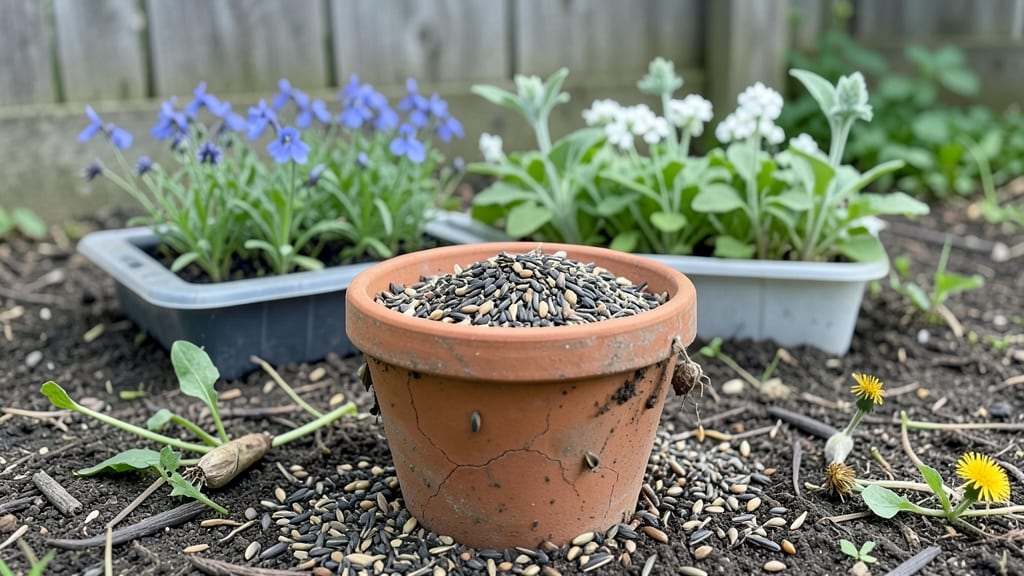
A hummingbird seed mix isn’t just birdseed—it’s a lifeline for these tiny, iridescent acrobats when natural nectar sources run dry. I learned this the hard way when my first batch of native seeds sat untouched in a feeder, while hummingbirds darted past my window, desperate for fuel.
The key isn’t just throwing seeds in a feeder; it’s creating a year-round buffet that keeps them hovering nearby even in winter’s lean months.
The secret starts with the right native seed blend—think sunflowers, millet, and nyjer seeds—paired with a high-quality feeder that won’t turn into a moldy mess. Planting a sunflower patch nearby gives them both seeds and perches, while a shallow dish of mealworms adds protein for nesting season.
My first-year results? Hummingbirds lingered for three extra months, and the local population grew noticeably bolder around my yard.
By summer, you’ll see them darting between your blooms and the feeder, their wings a blur of motion. The velvety green foliage of sunflowers contrasts beautifully with their shimmering throats, and the constant hum of their visits becomes the soundtrack of your garden.
Just don’t forget to refresh the seeds weekly—stale food means empty feeders and frustrated birds.
Works in urban balconies or rural acres, though southern gardens need year-round feeders while northern ones can pause in winter. The payoff? A front-row seat to one of nature’s most dazzling aerial shows—right from your porch. Let’s get those seeds planted!
📚 In This Guide
- What you need
- Instructions
- Tips and common mistakes
- Wrapping up and next steps
What you need
- ● Hummingbird seed blend: 2 cups (a pre-mixed blend or a custom mix of sunflower chips (unsalted), nyjer/thistle seed, and safflower seed—see ratios below).
- ● Water: 1 cup (distilled or boiled and cooled for safety).
- ● Feeder or container: A hummingbird feeder (preferably with a mesh or fine-mesh design) OR a clean, airtight jar with a secure lid.
- ● Measuring cups/spoons: For precise seed-to-water ratios.
- ● Fine-mesh strainer or cheesecloth: To strain out any debris or clumps.
- ○ Mixing bowl: A small, clean bowl for blending seeds (optional if using a feeder with a built-in mixing area).
- ● Wooden spoon or spatula: For stirring and ensuring even saturation.
- ○ Food coloring (optional): A few drops of hummingbird-safe red or orange dye (non-toxic, like Bee & Bird brand) to attract birds.
- ● Label & marker: To mark the feeder with the date and ingredients (helps track freshness!).
- ○ Glove (optional): Nyjer seed can be dusty—wear gloves if you’re sensitive to fine particles.
- ● Ensure all seeds are unsalted and free of mold or pesticides.
- ● Use a clean feeder or container to prevent bacterial growth.
- ● Store extra mix in a cool, dry place (lasts 1–2 weeks when refrigerated).
- ● Never use honey or sugar water—hummingbirds can’t digest it!
Step-by-step guide to creating a hummingbird seed mix
This blend will keep hummingbirds visiting your garden all year—simple, cost-effective, and far more nutritious than store-bought mixes.
Gather the Core Seed Components
For this recipe, you'll need 1 cup black oil sunflower seeds, 1 cup white millet, 1 cup nyjer (thistle) seed, and ½ cup safflower seeds. These seeds provide the perfect balance of high-energy fats and easy-to-access sugars that hummingbirds crave. I always source seeds from a reputable bird supply store—they're fresher and free of contaminants that can harm these tiny visitors.
Spread the seeds on a clean baking sheet and let them sit in a warm, dry place for 24 hours before mixing. This brief drying period ensures any residual moisture evaporates, preventing mold growth in your feeder. Hummingbirds are particularly sensitive to moldy seeds, which can cause serious health issues, so don't skip this step.
Sterilize and Mix the Seeds
Place all seeds in a large bowl and add 1 tablespoon of white vinegar to the mix. The vinegar acts as a natural sterilizer, killing any fungal spores or bacteria that might be present. Stir gently but thoroughly to ensure every seed is coated. Let the mixture sit for 10 minutes, then transfer it to a clean, dry container.
Use a clean spoon or your hands to combine the seeds until they're uniformly blended. The goal is an even distribution—hummingbirds will reject a feeder if it's lopsided in texture or nutrition. If you're making multiple batches, use separate containers to avoid cross-contamination. Store the mixed seeds in an airtight container in a cool, dark place until ready to use.
Prepare the Feeder for Filling
Choose a feeder with small ports or mesh sides—these designs allow hummingbirds to perch and feed comfortably while keeping seeds dry. Clean the feeder thoroughly with hot, soapy water and rinse well before filling. Any residual sugar or mold from previous use can spoil fresh seeds and attract pests.
Fill the feeder no more than ⅔ full—overfilling creates excess moisture that accelerates seed spoilage. Hummingbirds are frequent visitors, so you'll need to refill every 2-3 days during peak activity (spring and summer) and weekly in cooler months. Always refill with fresh mix to maintain quality.
Hang and Maintain the Feeder
Position the feeder in a shaded but visible location, 5-10 feet above ground and 3-6 feet from foliage. This placement protects seeds from direct sunlight while allowing hummingbirds easy access. I like to hang feeders near native flowering plants—hummingbirds will transition between feeders and natural nectar sources as they please.
Check the feeder daily during warm weather to remove any wet or moldy seeds. Humidity and heat accelerate spoilage, so empty and clean the feeder if it sits unused for more than 48 hours. In colder months, reduce refill frequency to once a week or when seeds appear dry and crumbly.
Monitor and Adjust for Seasonal Needs
Hummingbirds have varying energy demands based on temperature. In spring and summer, when they're raising young, offer fresh mix every 2-3 days to support their high-calorie needs. During fall and winter, when natural nectar is scarce, extend the interval to 5-7 days—their metabolism slows, so they require less frequent feeding.
Watch for changes in hummingbird behavior. If you notice fewer visitors, try moving the feeder to a sunnier spot or adding a small water source nearby. Hummingbirds are territorial, so place only one feeder per 100 square feet to avoid competition. Adjust the mix ratio slightly if you observe birds favoring one seed type—add more of what they prefer while maintaining balance.
Tips & tricks for perfect hummingbird seed mix
Creating the ideal hummingbird seed blend requires attention to detail that goes beyond the basic instructions. These small adjustments make all the difference between a feeder that attracts birds and one that gets ignored.
Seed Selection Matters: While the core ingredients—black oil sunflower seeds, white millet, nyjer seed, and safflower seeds—are essential, pay special attention to the quality of your black oil sunflower seeds. These contain the highest fat content that hummingbirds need for energy. Look for seeds that are uniformly dark and free of cracks or discoloration. The nyjer seed should be fluffy and light in color; if it appears dull or compacted, it may have absorbed moisture and could spoil quickly in the feeder.
The 24-Hour Drying Process: The 24-hour drying period in Step 1 is non-negotiable for preventing mold. Place your baking sheet in a warm, dry location—ideally near a sunny window but not in direct sunlight, which can cause uneven drying. If you live in a particularly humid climate, consider using a food dehydrator set to 120°F for 2 hours instead of the full 24 hours. This accelerates moisture removal while maintaining seed quality. Always check for any seeds that appear damp or clumpy after drying; discard these immediately to prevent contamination.
Vinegar Sterilization Technique: When adding the 1 tablespoon of white vinegar in Step 2, don't just pour it in and stir—make sure every seed is fully coated. Use a fork or your fingers to gently break up any seed clumps first. The vinegar's acidity works best when it can penetrate to the seed's surface. After the 10-minute sterilization period, spread the seeds back out on a clean surface to air-dry for an additional 5 minutes. This extra step ensures any residual moisture from the vinegar evaporates before storage.
Feeder Maintenance Shortcuts: To simplify your daily checks during warm weather, consider using a feeder with a clear base or sides. This allows you to quickly spot any wet or moldy seeds without opening the feeder. When cleaning, soak the feeder components in a 1:10 vinegar-to-water solution for 10 minutes before washing with hot, soapy water. The vinegar helps dissolve any sugar residues that can attract pests. For feeders that sit unused for more than 48 hours, add a pinch of cinnamon to the cleaning water—its natural antifungal properties provide extra protection.
Pro Tips for Hummingbird Seed Mix
- Creating the ideal hummingbird seed blend requires attention to detail that goes beyond the basic instructions.
- Seed Selection Matters: While the core ingredients—black oil sunflower seeds, white millet, nyjer seed, and safflower seeds—are essential, pay special attention to the quality of your black oil sunflower seeds.
- The 24-Hour Drying Process: The 24-hour drying period in Step 1 is non-negotiable for preventing mold.
Frequently asked questions
Got questions about attracting hummingbirds with seed mix? You’re in the right place! Here are answers to the most common queries to help you set up a feeder that hummingbirds will love.
What’s the best time of year to use hummingbird seed mix?
Hummingbirds are year-round visitors in many regions, but they’re most active during spring and summer () when they’re nesting and feeding chicks. In colder climates, use the mix from late winter to early fall—just refill feeders as needed. Pro tip: If you live in a frost-prone area, bring feeders indoors or use a heated sugar water alternative in winter!
Can I reuse hummingbird seed mix, or should I replace it often?
Unlike nectar, hummingbird seed mix stays fresh for 3–6 months if stored in a cool, dry place (like a sealed container in your pantry). However, replace it immediately if it smells musty, clumps, or grows mold (). For best results, check your mix monthly and refresh it every few months to keep it nutritious for visitors.
Is hummingbird seed mix better than homemade sugar water?
Both work, but they serve different purposes! Seed mix is great for ground-feeding (like at birdbaths or on platforms) and provides extra protein and fat. Sugar water (4:1 ratio) is ideal for hanging feeders and mimics natural nectar. Try both! Offer seed mix on a tray and sugar water in feeders for a hummingbird buffet.
Why aren’t hummingbirds visiting my seed mix?
Hummingbirds prefer sweet, liquid nectar over seeds, so they might ignore your mix if it’s dry. Try these fixes:
- Soak the mix in warm water for 10–15 minutes to soften it ().
- Place it near a sugar water feeder—they’ll associate the area with food.
- Offer live or dried mealworms (a protein-rich treat) to attract them.
- Ensure the mix is fresh and mold-free.
Can I plant flowers alongside hummingbird seed mix for extra appeal?
Hummingbirds love a mix of native flowers like trumpet vine, bee balm, and salvia (). Plant them near your seed mix setup to create a year-round buffet. Bonus: Use red or tubular-shaped blooms—their favorite! Just avoid pesticides, as they’re toxic to hummingbirds.
Wrapping up and next steps
Creating your own hummingbird seed mix is a rewarding way to attract these tiny, energetic visitors to your garden year-round! With just a few simple ingredients and a little creativity, you can provide a nutritious, cost-effective alternative to commercial feeders.
Plus, it’s a fun project that connects you with nature in a meaningful way.
Ready to take the next step? Start small—try a batch this weekend! Observe which seeds your feathered friends favor, then experiment with flavors and textures. Before you know it, your backyard will buzz with happy hummingbirds, and you’ll have a new hobby to enjoy. Happy feeding! 🐦✨