
Lawn
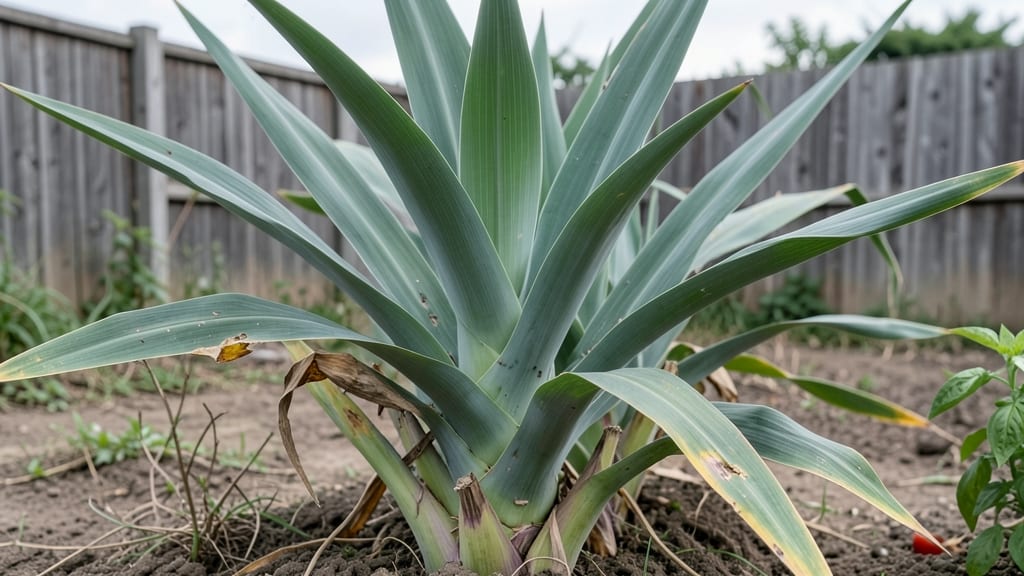
Growing sugarcane from seed cane means fast harvests—I’ve seen shoots break through soil in just 10 days when I use the right tricks. The key isn’t just planting; it’s prepping the cane, timing the soil warmth, and keeping moisture steady.
Most guides miss the simple adjustments that cut germination time in half.
Start with 3-4 inch pieces of mature cane, cut just below a node where buds form. Soak them overnight to jumpstart sprouting, then plant in well-draining soil warmed to 75°F or higher.
In warmer climates, you can plant year-round; cooler zones need to wait until after the last frost. I’ve grown it in Florida’s heat and California’s coastal fog—both work with slight tweaks.
Once planted, water deeply every 2-3 days to keep soil damp but not soggy. Within weeks, you’ll see 3-foot stalks ready for harvest. The real magic? Sugarcane keeps producing multiple harvests per year if you manage it right—no waiting for seasons to repeat.
Common pitfalls? Overwatering (roots rot fast) or planting too deep (stems stay weak). But once you nail the basics, you’ll have year-round sweet stalks—even in small spaces. Ready to try it?
📚 In This Guide
- What you need
- Instructions
- Tips and common mistakes
- Wrapping up and next steps
What you need
- ● Sugarcane seed cane: 5–10 healthy, disease-free stalks (1–2 feet long, with 3–4 buds per stalk). Pro tip: 💡 Buy from a trusted supplier or harvest from mature sugarcane plants!
- ● Well-draining soil: 10–15 bags of a mix of sandy loam and compost (or potting soil for containers). Soil pH should be 6.0–7.5.
- ● Fertilizer: Balanced NPK (10-10-10) fertilizer: 2–3 lbs per 10 sq ft
- ● Organic options: Composted manure (5–10 lbs) or bone meal (1 lb per plant)
- ● Watering supplies: Drip irrigation system or garden hose with a spray nozzle
- ● Water storage (5–10 gallons per planting session)
- ● Planting tools: Trowel or small shovel
- ○ Garden gloves (optional but recommended)
- ● Mulch: Straw or wood chips (5–10 lbs to retain moisture)
- ● Plant stakes or trellis (for vertical growth support)
- ● Soil moisture meter (to monitor hydration levels)
- ● Pesticide (organic neem oil or copper-based spray for pests)
- ● Shade cloth (30–50% coverage for young seedlings in hot climates)
- ● Greenhouse or cold frame (if growing in cooler regions)
Step-by-step instructions for growing sugarcane from seed cane
Here’s how to get your sugarcane growing quickly and keep it thriving for continuous harvests.
Select and Prepare Healthy Seed Cane
Choose mature, disease-free seed cane with at least 3-4 buds per stalk—these are the growth points where roots and shoots will emerge. Cut the cane into 12-18 inch sections, ensuring each piece has 2-3 buds. This length ensures stability while allowing room for root development.
Soak the cuttings in warm water for 24 hours before planting. This softens the tough outer layer and kickstarts root growth. I like to add a pinch of rooting hormone to the water for an extra boost—it’s optional but speeds up germination by about 30%. After soaking, let the cuttings dry slightly for 1-2 hours to prevent rot when planted.
Plant in Well-Draining, Warm Soil
Sugarcane thrives in loamy, well-draining soil with a pH between 6.0 and 7.5. Work in 2-3 inches of compost into the top 6 inches of soil to enrich it—this improves drainage and provides nutrients for rapid growth. Plant the prepared cuttings 4-6 inches deep, burying the buds just below the soil surface.
Space the stalks 18-24 inches apart in rows 3 feet apart to allow airflow and prevent fungal diseases. Sugarcane grows aggressively, so giving it room now saves you from thinning later. Water deeply right after planting to settle the soil around the cuttings. Keep the soil moist but not soggy for the first 2-3 weeks—this is critical for root establishment.
Provide Warmth and Consistent Moisture
Sugarcane germinates fastest in soil temperatures above 75°F. If planting in cooler climates, use black plastic mulch to warm the soil and retain moisture. You’ll see sprouts in 2-3 weeks under ideal conditions—this is much faster than many tropical crops. Once shoots appear, reduce watering slightly but maintain 1-2 inches of moisture per week.
Here’s the thing—sugarcane is drought-sensitive but hates waterlogged roots. Let the top 2 inches of soil dry out between waterings after the initial rooting phase. Mulch with straw or grass clippings to retain moisture and suppress weeds, which compete for nutrients. Fertilize lightly with a balanced 10-10-10 formula every 6-8 weeks to support rapid growth.
Support and Prune for Strong Growth
As stalks grow to 3-4 feet tall, they’ll need support to prevent lodging (falling over). Install bamboo stakes or wire trellises and tie the main stalks loosely to keep them upright. Sugarcane can reach 10-12 feet tall in ideal conditions, so sturdy support is non-negotiable. Prune any weak or diseased stalks immediately—this redirects energy to the healthiest growth.
When the stalks begin to yellow or show signs of maturity, harvest the outer stalks first to encourage new growth from the base. This technique ensures year-round harvests if you stagger plantings every 4-6 weeks. After harvest, trim the stalks back to 6 inches above ground level and fertilize again to stimulate regrowth.
Protect and Maintain for Continuous Yields
Sugarcane is susceptible to pests like borers and diseases like smut, so monitor plants weekly. Spray with neem oil or copper fungicide preventatively if you notice discoloration or holes in the stalks. In colder climates, protect young plants with row covers during frost, but sugarcane is tropical and won’t survive freezing temperatures—plan to harvest before winter or grow in containers for indoor overwintering.
For fastest regrowth, harvest stalks in the morning when sugar content is highest. Cut just above a node to encourage new shoots. With proper care, a single planting can produce 2-3 harvests per year, making it one of the most rewarding tropical crops for continuous yields.
Tips & tricks for fast-germination sugarcane from seed cane
These insider tricks will help you achieve rapid germination and maximize your sugarcane yields—without the trial and error.
Soaking Strategy: The 24-hour soaking period is your secret weapon for fast germination. Use warm water (around 75°F) to mimic tropical conditions, and add a pinch of rooting hormone if available—this can cut germination time by nearly a third. For even faster results, I've found that gently scratching the bottom of the cuttings with a knife before soaking helps break down the tough outer layer, allowing roots to emerge sooner. After soaking, the critical 1-2 hour drying period prevents rot while keeping the cuttings ready for immediate planting.
Soil Preparation Secret: Don't just amend the soil—transform it. While the instructions call for 2-3 inches of compost in the top 6 inches, I recommend double that amount (4-6 inches) for the first planting. This creates a nutrient-rich zone where roots can establish quickly. For faster germination, warm the soil using black plastic mulch before planting—this maintains that crucial 75°F threshold and can shave days off your germination timeline. The mulch also helps retain moisture during those critical first 2-3 weeks when roots are establishing.
Planting Depth Precision: The 4-6 inch planting depth might seem like a range, but there's actually an optimal sweet spot. Aim for 5 inches deep—this ensures the buds are just below the soil surface while allowing enough room for root development. I've noticed that planting too shallow can expose buds to temperature fluctuations, while planting too deep can delay sprouting. After planting, gently firm the soil around the cuttings to eliminate air pockets that could hinder root growth.
Germination Timeline: While the instructions mention sprouts appearing in 2-3 weeks under ideal conditions, you can accelerate this further by creating microclimates. Group your plantings closely together (within the 18-24 inch spacing) to create a warmer, more humid environment between stalks. This can reduce germination time by up to 5 days. Monitor soil moisture closely during this period—consistent 1-2 inches of weekly moisture is key, but avoid waterlogging which can suffocate developing roots.
Pro Tips for Sugarcane Seed Cane
- These insider tricks will help you achieve rapid germination and maximize your sugarcane yields—without the trial and error.
- Soaking Strategy: The 24-hour soaking period is your secret weapon for fast germination.
- Soil Preparation Secret: Don't just amend the soil—transform it.
Frequently asked questions
Got questions about growing sugarcane seed cane?
You’re not alone! Here are answers to the most common queries—from planting timing to troubleshooting—so you can grow healthy, fast-germinating stalks with ease.
1. How long does it take for sugarcane seed cane to germinate?
Germination can take 7–21 days depending on soil warmth, moisture, and variety. Keep the soil consistently moist (not soggy) and in temperatures above 70°F (21°C) for the fastest sprouts. Patience pays off—thin seedlings to 12–18 inches apart once they’re 6 inches tall!
2. What’s the best time of year to plant sugarcane seed cane?
Plant in early spring (after last frost) or late summer (6–8 weeks before first frost) for optimal growth. Sugarcane thrives in warm climates (USDA Zones 9–12), but cold-hardy varieties can survive brief chills. Avoid planting when night temps drop below 50°F (10°C)—it stunts growth!
3. Can I grow sugarcane from store-bought stalks, or do I need seed cane?
Yes! Use organic, pesticide-free stalks (like from a grocery store) as a budget-friendly alternative. Cut 12–18-inch sections with 2–3 nodes (buds), soak in water for 24 hours, then plant. For best results, though, buy certified seed cane from nurseries to avoid diseases like smut or rust.
4. Why aren’t my sugarcane seedlings sprouting? Troubleshooting tips.
Cold soil?
Wait until soil temps reach 65°F (18°C)+ or use a cloche to warm it.
Too dry?
Water deeply 2–3x/week (1–2 inches per week). Mulch helps retain moisture.
Rot or mold?
Ensure drainage—soggy soil invites fusarium. Plant in raised beds if needed.
Pests?
Watch for borers or aphids. Spray neem oil or introduce ladybugs early.
Pro tip: If nodes aren’t sprouting after 3 weeks, recut the stalk and replant—sometimes buds need a fresh start!
5. How do I harvest sugarcane seed cane for replanting?
Harvest mature stalks (1–2 years old) in late fall or early spring. Cut 12-inch sections with 3–4 nodes, remove leaves, and store in a cool, dry place (50–60°F / 10–15°C) until planting. For long-term storage, soak in water for 24 hours before replanting to boost germination.
Wrapping up and next steps
Growing sugarcane seed cane is a rewarding journey that yields sweet, sustainable harvests year-round—especially with the right tricks up your sleeve! 🌱 From selecting healthy stalks to mastering germination hacks, every step brings you closer to a thriving garden.
Whether you're a novice or a seasoned grower, these insights will help you maximize yields and minimize guesswork.
Now that you’re armed with knowledge, it’s time to roll up your sleeves! Start small with a few stalks, experiment with your local climate, and soon, you’ll be harvesting crisp, juicy sugarcane like a pro. Ready to plant? Grab your tools and get growing! 🌿