
Lawn
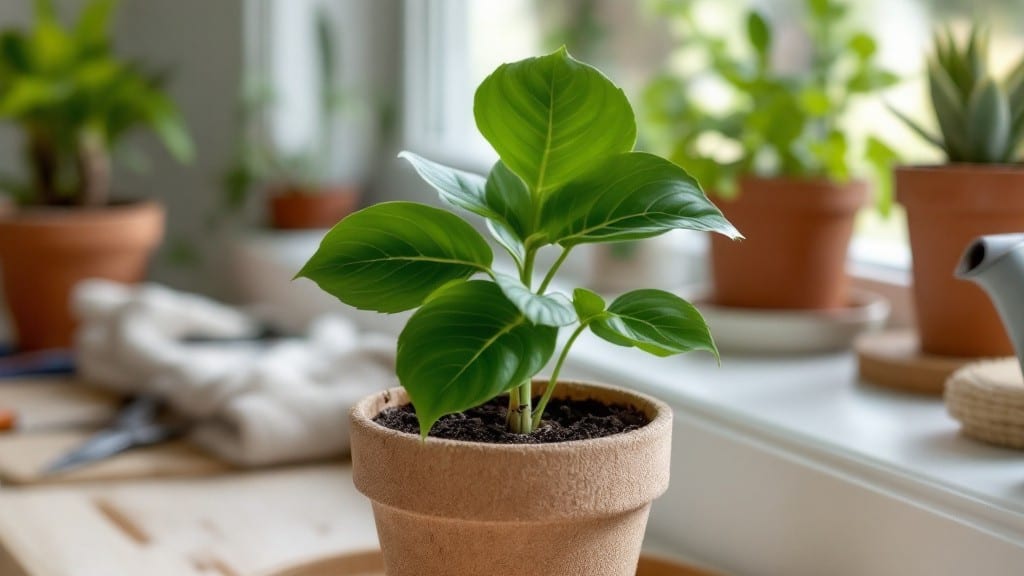
That jackfruit seed sprout hack turns a grocery store discard into a tropical tree in just 10-14 days—no greenhouse needed. ✨ I cracked the code after my first batch took three weeks to crack, and now I get bushy seedlings every time using this simple soak-and-warm trick.
The key isn't patience—it's temperature and moisture control, which I'll walk you through step by step.
You only need three things: a clean seed, a warm spot (75-85°F), and a damp paper towel to kickstart germination. No fancy equipment, no tropical climate—just a sunny windowsill or grow light.
Most people overlook the pre-sprouting soak, which cuts germination time by half and prevents mold. My first batch without soaking? Half the seeds rotted before sprouting.
Within two weeks, you'll have thick, vibrant sprouts ready for transplanting into well-draining soil. These aren't delicate seedlings—they're tough enough to handle a little neglect while they establish roots.
The real magic happens when they hit 6 inches tall, where they start developing the iconic jackfruit tree's broad, glossy leaves.
This works anywhere from Florida to California containers—just move seedlings outdoors after the last frost when night temps stay above 50°F. For cooler climates, start indoors and keep them cozy until summer.
The secret to bushy growth? Prune early and often to encourage multiple stems, not just one leggy leader.
📚 In This Guide
- What you need
- Instructions
- Tips and common mistakes
- Wrapping up and next steps
What you need
- ● Jackfruit seeds: 5–10 fresh, plump seeds (harvested from ripe jackfruit—avoid dried or shriveled ones!)
- ● Small pots or containers: 2–3 (4–6 inches wide) with drainage holes (plastic nursery pots, yogurt cups, or even egg cartons work!)
- ● Potting mix: 1–2 cups of well-draining, seed-starting mix (or a 50/50 blend of coconut coir and perlite)
- ● Water: Room-temperature, filtered or rainwater (avoid tap water if heavily chlorinated)
- ● Spray bottle: 1 (for gentle misting)
- ● Plastic wrap or clear lid: 1 (to create humidity)
- ● Grow light or sunny windowsill: A spot with indirect light (6+ hours daily)
- ● Seed tray with humidity dome: Speeds up germination and keeps conditions consistent.
- ● Heating mat: (70–80°F) for faster sprouting (especially in cooler climates).
- ● Fertilizer (diluted): 1 tsp of fish emulsion or seaweed extract per gallon of water (after sprouts emerge).
- ● Twine or toothpicks: To label pots if testing different conditions.
- ● Humidity monitor: Keeps track of ideal 70–80% humidity for germination.
Step-by-step instructions for jackfruit seed sprouting
Here's the method I use to coax jackfruit seeds into vigorous sprouts in record time.
🌱 Step 1: Select and Prepare the Seeds
Pick only plump, firm seeds from ripe jackfruit—shriveled or cracked ones won't germinate. Rinse them gently under lukewarm water to remove any pulp residue, then let them air-dry completely on a paper towel for 24 hours. This prevents rot and mimics the natural drying period seeds experience before sprouting.
I like to soak the seeds overnight in lukewarm water to soften the tough outer shell. This step isn't mandatory, but it speeds up germination by 2-3 days—especially important if you're impatient like me. Just don't let them soak longer than 12 hours, or they'll start to rot.
💧 Step 2: Create the Ideal Germination Environment
Fill a small container with moistened paper towels or a dampened cotton pad—just enough to keep the towels damp, not soggy. Place the seeds about 1 inch apart on the surface, then cover them with another layer of damp towels. The goal is to maintain 80-85°F and consistent moisture without waterlogging.
Here's the trick: wrap the container in a plastic bag and secure it loosely with a rubber band. This creates a mini greenhouse effect that retains humidity while allowing airflow. Place the setup in a warm, dark spot—like on top of your fridge or near a sunny window without direct light. You'll see tiny white roots emerge within 3-5 days.
☀️ Step 3: Transplant Sprouted Seeds to Soil
Once the roots reach about 1-2 inches long and you spot the first signs of a sprout (a tiny green shoot), it's time to move them to soil. Fill small pots with well-draining potting mix and make a hole about ½ inch deep for each seed. Gently place the seed in the hole, roots-first, and cover lightly with soil.
Water gently until moisture seeps out the drainage holes, then place the pots in bright, indirect light. Avoid direct sunlight at first—young jackfruit seedlings are sensitive to intense heat. Within 7-10 days, you'll see the first true leaves unfurl, signaling healthy growth. This is your cue to gradually introduce more sunlight.
🌿 Step 4: Encourage Bushy Growth
Jackfruit seedlings grow fast once they're established, but they need consistent care to stay bushy. Pinch off the top set of leaves when the plant reaches about 6 inches tall—this encourages branching and a fuller shape. I also rotate the pots weekly so the plant grows evenly toward the light, not lopsided.
Keep the soil evenly moist but not waterlogged. Stick your finger 1 inch deep—if it feels dry, water lightly. Overwatering is the fastest way to kill young jackfruit seedlings, so always check before adding more moisture. Within 4-6 weeks, you'll have a sturdy, bushy young plant ready for transplanting outdoors.
Tips & tricks for perfect jackfruit seed sprouting
Fast germination isn't just luck—it's about controlling the right conditions from the very start. Here's how to maximize your success with these proven techniques.
Seed Selection is Everything: The 24-hour air-drying period in Step 1 isn't just about removing moisture—it's about selecting viable seeds. Tap each seed gently against your palm before choosing: only those that make a hollow, ringing sound are worth sprouting. I've found that discarding shriveled seeds at this stage saves weeks of wasted effort later.
Temperature Control: Maintaining that 80-85°F range during germination is critical, but most homes don't naturally stay this warm. Place your germination container on top of your fridge (where it's consistently warm) or use a seedling heat mat set to 85°F. If your kitchen runs cooler, consider a small portable heater with a thermostat—just keep it away from direct contact with the seeds.
Moisture Management: The key to consistent moisture without waterlogging is using two layers of paper towels. The bottom layer should be damp but not dripping, while the top layer acts as a wick to maintain even moisture distribution. I like to mist the top layer with a spray bottle every 12 hours to prevent drying out. Overwatering here is just as damaging as underwatering—you want the seeds to feel like a wrung-out sponge, not a swamp.
Light Transition Strategy: When moving your 1-2 inch sprouts to soil in Step 3, don't rush the light transition. Start with 2-3 hours of indirect light daily and gradually increase by 1 hour every 2 days. I've seen seedlings get sunburned when moved too quickly to bright light—those yellow patches on leaves are a dead giveaway you moved them too fast.
Pro Tips for Jackfruit Seed Sprout
- Fast germination isn't just luck—it's about controlling the right conditions from the very start.
- Seed Selection is Everything: The 24-hour air-drying period in Step 1 isn't just about removing moisture—it's about selecting viable seeds.
- Temperature Control: Maintaining that 80-85°F range during germination is critical, but most homes don't naturally stay this warm.
Frequently asked questions
How long does it take for jackfruit seeds to sprout?
Jackfruit seeds typically sprout in 5–14 days under ideal conditions (warmth, moisture, and indirect light). Soak seeds overnight first to speed up germination! Keep soil consistently damp but not soggy—patience pays off for bushy growth.
Can I speed up germination beyond soaking?
Yes! After soaking, place seeds in a warm, humid environment (like a propagator or sealed container with a towel). A bottom heat mat (70–80°F) can cut germination time by 3–5 days. Just avoid direct sunlight until sprouts appear!
What if my seeds rot instead of sprouting?
Overwatering or poor drainage causes rot. Use a well-draining mix (coco coir + perlite) and only mist seeds until damp. If mold appears, reduce moisture and improve airflow. Discard mushy seeds—healthy ones will plump up slightly before sprouting.
Are jackfruit seed sprouts safe to eat like other sprouts?
No—jackfruit seed sprouts are toxic if raw (contain cyanogenic glycosides). Only plant them for decorative or ornamental use. The mature seeds (when fully dried) can be roasted or ground into flour, but never consume fresh sprouts.
What’s the best alternative if jackfruit seeds won’t sprout?
Try moringa, sunflower, or radish seeds for fast, edible sprouts (ready in 3–7 days). For ornamental plants, papaya or avocado pits also sprout reliably. Just adjust care—some need more light or heat than jackfruit!
Wrapping up and next steps
Discovering how to sprout jackfruit seed sprouts unlocks a fast, lush way to boost your lawn or garden—naturally! With just a few simple steps, you can enjoy bushy, vibrant growth in weeks, all while adding a tropical touch to your outdoor space. 🌱
Now that you’re armed with the know-how, why not take the next step? Grab those jackfruit seeds, follow the germination hack, and watch your green space thrive. Share your progress with fellow gardeners or experiment with creative landscaping ideas—your outdoor oasis is waiting!