
Lawn
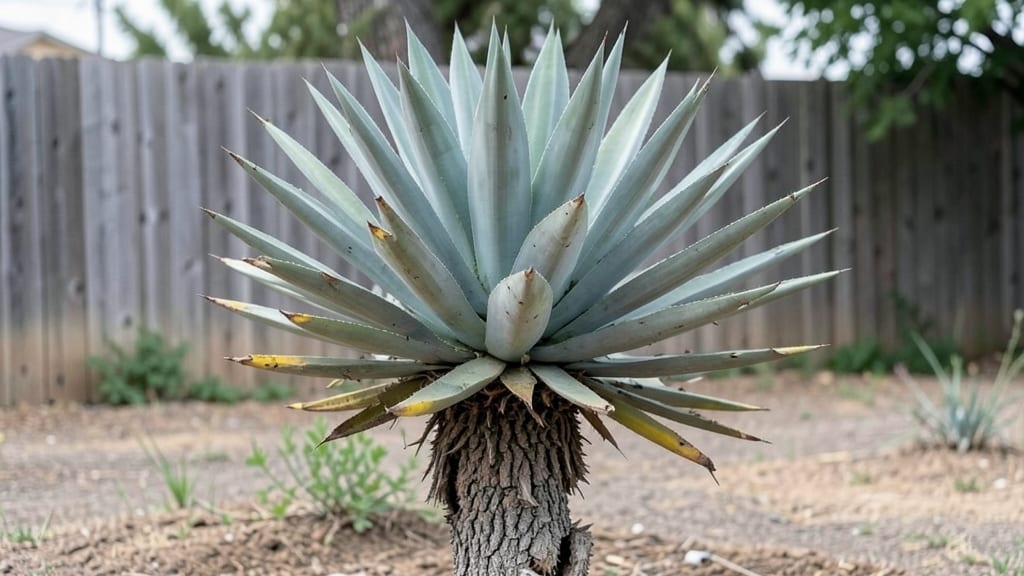
Growing Joshua tree seeds into desert giants takes three years of patience—but the results are worth every moment. 🌵 I’ve watched these slow-growing wonders transform from tiny seeds into iconic branches, and the process is simpler than most gardeners expect.
The key lies in mimicking the Mojave’s natural conditions: cold stratification for 60 days, well-draining soil, and full sun from day one. You don’t need fancy equipment—just a plastic bag, some sand, and a sunny spot.
Most seeds need 2-3 years to sprout, but once they do, they grow steadily into that unmistakable silhouette.
By year three, you’ll see the first real growth—thick, woody stems reaching toward the sky. The slow start pays off with a plant that thrives on neglect and becomes a desert landmark in your yard. Just be ready for the wait.
This method works best in zones 7-10, but with extra care, northern growers can try it too. The real magic happens when you realize you’re growing a piece of the Southwest’s landscape right in your own space.
📚 In This Guide
- What you need
- Instructions
- Tips and common mistakes
- Wrapping up and next steps
What you need
- ● Joshua Tree seeds: 10–20 seeds (ensure they’re fresh or stored properly in a cool, dry place).
- ● Well-draining cactus/succulent soil mix: 1–2 gallons (avoid regular potting soil—it retains too much moisture!).
- ● Small pots or seed trays: 2–4 (3–4 inches deep) with drainage holes. Pro tip: 💡 Use plastic nursery pots or terracotta for better airflow.
- ● Gravel or perlite: ½ cup (for top-dressing to prevent rot).
- ● Spray bottle: For gentle watering (no heavy-handed soaking!).
- ● Clear plastic wrap or humidity dome: To create a mini greenhouse effect.
- ● Bright, indirect sunlight: A south-facing window or grow lights (12–14 hours/day).
- ● Patience and a light touch: Joshua Trees are not fast growers—be gentle with water and handling!
- ● Seed stratification kit: If seeds are old, a cold-moist stratification method (4–6 weeks in the fridge) can boost germination.
- ● Fungicide (mild): 1 tsp diluted hydrogen peroxide (3%) in water to prevent damping-off.
- ● Heat mat: For warmer climates to mimic desert conditions (70–80°F is ideal).
- ● Label markers: To track planting dates and varieties.
- ● Outdoor hardening-off space: A shaded patio or greenhouse for transitioning seedlings to the desert.
Step-by-step instructions for growing Joshua Tree seeds
Here's how to coax these desert giants from tiny seeds with just a few key tricks.
🌱 Step 1: Harvest and Prepare the Seeds
Collect seeds from ripe Joshua tree pods in late fall—wait until they're brown and dry but still intact. Remove the seeds carefully, then soak them in warm water for 24 hours to soften the tough outer coating. This mimics natural rain events and breaks dormancy.
After soaking, spread the seeds on a paper towel and place them in the refrigerator for 30-60 days. This cold stratification mimics winter conditions in their native desert habitat. I label the container with the date to track the timing—patience is key here.
💧 Step 2: Plant in Well-Draining Desert Mix
Fill small pots with a mix of cactus/succulent soil and perlite (3:1 ratio)—this ensures excellent drainage, which Joshua trees absolutely need. Plant seeds ¼ inch deep in the soil, spacing them about 1 inch apart to prevent overcrowding.
Water lightly with a spray bottle until the soil is barely moist—never soggy. Place the pots in a warm, sunny spot (like a south-facing windowsill) where temperatures stay between 70-85°F. Germination can take 2-4 weeks, so don't give up if nothing happens right away.
☀️ Step 3: Transition to Desert Conditions
Once seedlings emerge, reduce watering to every 2-3 weeks, allowing the soil to dry completely between waterings. These plants are drought-tolerant by nature—overwatering is the fastest way to kill them. Move them outdoors to a sheltered, sunny spot after the last frost.
After 6 months, when seedlings are about 2 inches tall, transplant them into slightly larger pots with fresh desert mix. This helps prevent root-bound issues and encourages stronger growth. Watch for leggy stems—this means they need more light, not more water.
⏰ Step 4: Maintain Slow and Steady Growth
Joshua trees grow slowly, so be patient. Water only when the soil is completely dry, and never let water sit in the saucer. In their first year, they'll focus on root development—you'll see minimal top growth. This is normal and part of their desert adaptation.
By year three, you'll start seeing more recognizable growth, with the iconic spiky branches forming. Keep them in pots for at least 5 years before transplanting outdoors in well-draining desert soil. They thrive in full sun and heat, so a south-facing location is ideal.
Tips & tricks for perfect Joshua Tree seed growth
These simple strategies will help you avoid common pitfalls and give your desert seedlings the best chance to thrive.
Soaking Strategy: The 24-hour warm water soak is absolutely critical—don't skip it! Use water that's warm but not hot (around 85°F), as extreme heat can damage the delicate seeds. I like to use a shallow dish and gently stir them every few hours to prevent mold. After soaking, pat them dry thoroughly before refrigeration to prevent moisture buildup.
Cold Stratification: That 30-60 day refrigerator period might seem long, but it's essential for breaking dormancy. I place my seeds on a paper towel in a sealed container with a tiny hole for airflow—this prevents condensation buildup. Mark the container with the date and set a reminder; consistency is key during this phase. Between us, I've seen seeds fail when people peek too often or move them around.
Lighting Secret: Joshua trees need intense light from the very beginning. If your windowsill isn't getting enough sun, supplement with a grow light (12-14 hours per day). I've had better luck with seedlings that get bright light immediately rather than waiting for natural conditions. Watch for leggy stems—this is your signal to increase light exposure rather than watering more.
Watering Wisdom: The "barely moist" rule is non-negotiable. I use a spray bottle with a fine mist setting to avoid disturbing the soil. After the initial planting, I wait until the top inch of soil is completely dry before watering again. Overwatering is the #1 killer of young Joshua trees—trust me on this, I've lost three batches to soggy soil.
Pro Tips for Joshua Tree Seed
- These simple strategies will help you avoid common pitfalls and give your desert seedlings the best chance to thrive.
- Soaking Strategy: The 24-hour warm water soak is absolutely critical—don't skip it!
- Cold Stratification: That 30-60 day refrigerator period might seem long, but it's essential for breaking dormancy.
Frequently asked questions
Got questions about growing Joshua Tree seeds? You’re not alone—these desert giants can be tricky! Here’s what you need to know before diving in.
How long does it take for Joshua Tree seeds to germinate?
Patience is key! Joshua Tree seeds can take anywhere from 3 months to 3 years to sprout, depending on conditions. Cold stratification (mimicking winter) is critical—plant them in fall or winter for the best results. Keep soil moist but not soggy, and avoid rushing the process.
Do I need to cold-stratify Joshua Tree seeds?
Absolutely!
Without cold stratification (40–50°F for 60–90 days), germination rates plummet. Place seeds in a sealed bag with damp sand or peat moss, then refrigerate. Skip this step, and you’ll likely end up with zero sprouts—no exceptions!
Can I grow a Joshua Tree indoors?
Indoors is possible, but it’s a challenge. Start seeds in a sunny windowsill or under grow lights, then transplant outdoors once they’re 2–3 inches tall. Joshua Trees thrive in full desert sun—indoor growth will be slow and weak without it. Consider a greenhouse if you’re committed!
What’s the best soil mix for Joshua Tree seeds?
Use a well-draining, sandy mix (60% sand, 30% potting soil, 10% perlite). Avoid heavy clay—it causes rot. Elevate pots slightly for airflow, and water only when the top inch is dry. Overwatering is the #1 killer of young Joshua Trees.
Why aren’t my Joshua Tree seeds sprouting?
Check these common culprits:
- No stratification: They need winter-like conditions to break dormancy.
- Too much water: Rot sets in fast—keep soil barely moist.
- Poor drainage: Use a gritty mix and pots with drainage holes.
- Impatience: Some seeds wait years—don’t give up after 6 months!
Wrapping up and next steps
Growing Joshua Tree seeds may seem like a slow journey, but with patience and minimal effort, you’ll soon witness the stunning desert beauty take root in your landscape! 🌵 These hardy plants thrive with just basic care, proving that nature’s wonders don’t always require high maintenance.
Whether you’re restoring native ecosystems or adding a unique touch to your yard, your efforts will pay off in years to come.
Ready to take the next step? Start by collecting seeds or sourcing them from a trusted supplier, then follow the simple steps outlined above. Before you know it, you’ll be nurturing a piece of the Mojave Desert right in your own backyard! 🌱