
Size
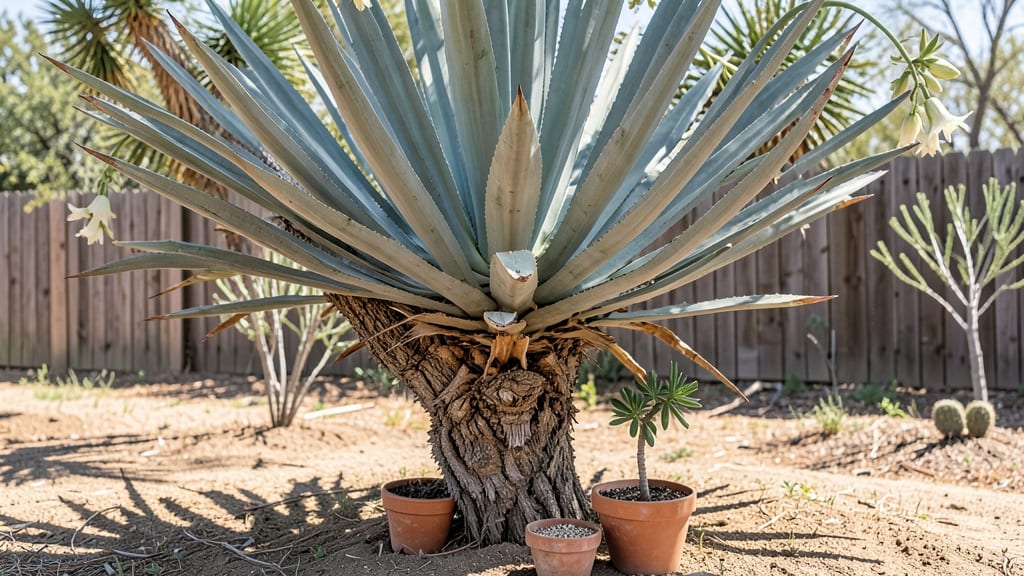
Growing Joshua tree seeds from scratch is a slow-burning triumph that rewards patience with one of the desert's most striking icons. 🌵 I've nurtured these stubborn seeds for years, and the key to success lies in mimicking their harsh native environment—not coddling them like a houseplant.
The secret starts with stratification: cold, dry treatment for 6-8 weeks to break seed dormancy. Use a mix of coarse sand and perlite (never rich soil) and keep it bone-dry except for a single soak before planting. Most beginners drown them—Joshua trees hate moisture, not sunlight.
By month three, you might see tiny shoots pushing through, but don't expect instant trees. These take 3-5 years just to reach 2 inches tall. The payoff?
A plant that thrives in full desert sun, needs almost no water once established, and becomes a conversation piece in any arid landscape.
Works for both indoor growers (with a heat lamp) and outdoor desert gardens. The biggest mistake? Skipping the cold treatment—seeds planted fresh often rot. Let's get those seeds started right.
📚 In This Guide
- What you need
- Instructions
- Tips and common mistakes
- Wrapping up and next steps
What you need
- ● Joshua Tree Seeds: 10–20 fresh, viable seeds (collect from mature plants or purchase from a reputable supplier). Pro tip: 💡 Seeds lose viability quickly—plant them within 1–2 months of collection!
- ● Seed Starting Mix: 2–3 cups of cactus/succulent soil blend (or a mix of 50% potting soil + 50% perlite/pumice for drainage). Avoid garden soil—it’s too dense!
- ● Seed Trays or Small Pots: 4–6 shallow trays (2–3 inches deep) with drainage holes or 3–4 small pots (4–6 inches wide). Sterilize containers with a 10% bleach solution to prevent mold.
- ● Grow Lights or Sunny Window: A full-spectrum LED grow light (12–16 hours/day) or a south-facing window with direct sunlight (6+ hours/day). Joshua Trees are sun-worshippers!
- ● Misting Bottle or Spray Nozzle: For gentle watering—no heavy-handedness here!
- ○ Clear Plastic Dome or Plastic Bag: To create a humidity tent (optional but helpful for germination).
- ○ Heat Mat (Optional but Helpful): A seedling heat mat (70–80°F) can speed up germination, especially in cooler climates.
- ● Tweezers or Toothpick: For delicate seed placement.
- ○ Fine-Grit Sandpaper: Lightly scratch seed coats to encourage germination (optional but increases success rates).
- ● Fertilizer (Post-Germination): A balanced, diluted liquid fertilizer (e.g., 5-5-5 or 10-10-10) only after sprouts appear. Pro tip: 🌡️ Wait 4–6 weeks before fertilizing—tiny roots are fragile!
- ● Thermometer/Hygrometer: To monitor soil temp (ideal: 70–90°F) and humidity (aim for 40–60%).
- ● Labeling Tags: Mark trays/pots with seed dates and varieties.
Step-by-step instructions for growing Joshua Tree seeds
Here's how to coax these desert survivors from tiny seeds into sturdy young plants.
🌱 Step 1: Cold Stratify Seeds to Break Dormancy
Joshua tree seeds need a 6-8 week cold treatment to mimic winter conditions in the wild. Place the seeds between two layers of damp paper towels in a sealed plastic bag. Store them in your refrigerator's vegetable drawer where temperatures stay around 35-40°F. Check weekly—they should stay moist but not soggy.
I like to label the bag with the date to track the cold period accurately. This stratification trick prevents the seeds from rotting while preparing them for germination. If you skip this step, most seeds will simply refuse to sprout.
💧 Step 2: Prepare Germination Trays and Plant
After cold treatment, fill a shallow tray with cactus/succulent mix (I use a blend of 50% potting soil and 50% coarse sand). Moisten the mix until it feels like a damp sponge—just enough to hold together when squeezed. Joshua trees hate soggy soil, so drainage is critical.
Sow seeds ¼ inch deep and space them 1 inch apart in rows. I use a toothpick to make small holes since the seeds are so tiny. Cover lightly with additional mix, then mist gently with water until the surface looks evenly damp.
☀️ Step 3: Provide Warmth and Bright Light
Place the tray in a warm spot with bright indirect light—a south-facing window works well. Joshua trees need consistent warmth to germinate, so I keep mine on a seedling heat mat set to 75-80°F. Germination can take 2-4 weeks, so patience is key.
Watch for the first true leaves to emerge—these will look like tiny, fuzzy green rosettes. If condensation forms on the tray cover, remove it briefly to prevent fungal issues. Avoid overwatering; the soil should dry slightly between waterings.
🌿 Step 4: Transition to Individual Pots
Once seedlings reach 1-2 inches tall (usually after 8-12 weeks3-inch pots filled with the same cactus mix. Handle them gently—they have delicate roots. I use a small spoon to lift each seedling to avoid damaging the stem.
Place the pots in a sunny spot with 6+ hours of direct sunlight daily. If growing indoors, supplement with a grow light. Water sparingly—only when the top ½ inch of soil feels dry. Overwatering is the #1 killer of young Joshua trees.
⏰ Step 5: Gradually Adapt to Desert Conditions
After 3 months, when seedlings are 3-4 inches tall, begin hardening them off. Move pots outside to a shaded spot for 1 hour daily, gradually increasing exposure over 2 weeks. This prepares them for full desert sun.
Once hardened off, reduce watering to every 2-3 weeks—mimic their natural drought tolerance. You'll see sturdy, blue-green stems develop as they mature. With care, these slow growers will reward you with iconic Joshua tree blooms in 5-10 years.
Tips & tricks for growing Joshua Tree seeds
Here's what I've learned from years of growing these desert survivors—tricks that'll help you avoid common pitfalls and give your seedlings the best start.
Cold Stratification Precision: The 6-8 week cold treatment at 35-40°F is non-negotiable, but here's the secret: place a small dish of water in the fridge with your seed bag to maintain consistent humidity. I also use a clear bag so I can check moisture levels without opening it. If condensation forms on the bag, that's a good sign—just wipe it dry to prevent mold. This mimics the natural winter moisture cycle Joshua trees experience in the desert.
Soil Mix Matters: That 50/50 blend of potting soil and coarse sand is crucial for drainage, but don't skip the sand if you can't find cactus mix. Regular potting soil will compact and suffocate your seedlings. I like to add a handful of perlite to the mix for extra aeration. When planting in Step 2, press down gently but firmly—you want good contact with the soil to prevent toppling, but not so much that you compact the mix.
Lighting Strategy: While a south-facing window works, I've found that supplementing with a simple LED grow light for 12 hours a day during the germination phase (Step 3) speeds things up. Joshua trees need intense light to trigger germination, and natural sunlight might not be strong enough, especially in cooler months. Place the light just a few inches above the tray—close enough to see warmth but not so close it overheats.
Transplanting Timing: Waiting until seedlings are 1-2 inches tall before transplanting (Step 4) gives them enough strength to handle the move, but don't wait too long. I've seen seedlings become root-bound if left in the germination tray beyond 12 weeks. When repotting, use the same cactus mix and make sure the new pots have drainage holes—this is when most beginner growers lose their seedlings to overwatering.
Pro Tips for Joshua Tree Seeds How To Grow
- Here's what I've learned from years of growing these desert survivors—tricks that'll help you avoid common pitfalls and give your seedlings the best start.
- Cold Stratification Precision: The 6-8 week cold treatment at 35-40°F is non-negotiable, but here's the secret: place a small dish of water in the fridge with your seed bag to maintain consistent humidity.
- Soil Mix Matters: That 50/50 blend of potting soil and coarse sand is crucial for drainage, but don't skip the sand if you can't find cactus mix.
Frequently asked questions
Got questions about growing Joshua Tree seeds? You’re not alone—these desert beauties can be tricky! Here are answers to the most common queries to help you avoid pitfalls and nurture your own Joshua Tree from seed.
How long does it take for Joshua Tree seeds to germinate?
Patience is key! Joshua Tree seeds can take anywhere from 2 weeks to 6 months (or even longer) to sprout. Cold stratification—chilling seeds for 4-6 weeks—boosts success. Keep soil consistently moist (not soggy) and maintain warm temps (70-80°F) for best results.
Do I need to cold-stratify Joshua Tree seeds?
Cold stratification mimics winter conditions and breaks seed dormancy. Place seeds in a sealed bag with damp sand or peat moss, then refrigerate for 4-6 weeks. Skip this step, and germination rates plummet. Pro tip: Some growers use a freeze-thaw cycle (alternate fridge and room temp) for extra effectiveness.
Can I grow a Joshua Tree indoors?
Yes, but with caveats! Start seeds indoors in a sunny window or under grow lights (12+ hours/day). Use a well-draining cactus/succulent mix and a pot with drainage holes. Once seedlings are 3-4 inches tall, transplant outdoors in USDA zones 9-11—they cannot survive frost.
What do I do if my Joshua Tree seed turns black or mushy?
Black/mushy seeds signal rot, usually from overwatering or poor drainage. If this happens, discard the seed and adjust care: use a gritty soil mix, water only when the top inch is dry, and ensure pots have drainage holes. Fungal issues? Try a fungicide like hydrogen peroxide (3%) for sterilization.
Are there faster-growing alternatives to Joshua Tree seeds?
If you’re eager for results, consider these low-maintenance desert plants that grow quicker from seed:
- Pincushion Cactus (Escobaria spp.): Germinates in 2-4 weeks.
- Desert Marigold (Baileya multiradiata): Blooms in 1 season.
- Agave: Hardy and grows faster than Joshua Trees.
Wrapping up and next steps
Growing Joshua Tree seeds is a rewarding journey that connects you to the rugged beauty of the desert—and with patience and care, you can nurture these resilient plants into striking symbols of the Southwest! 🌵✨ From selecting the right soil to mastering stratification, each step brings you closer to witnessing their unique, spiky blooms.
Once your seedlings are thriving, why not share your success?
💡 Next step: Snap a photo of your progress and tag @JoshuaTreeLover on social media—your fellow plant enthusiasts will love seeing your desert oasis come to life! 🌿📸