Pruning
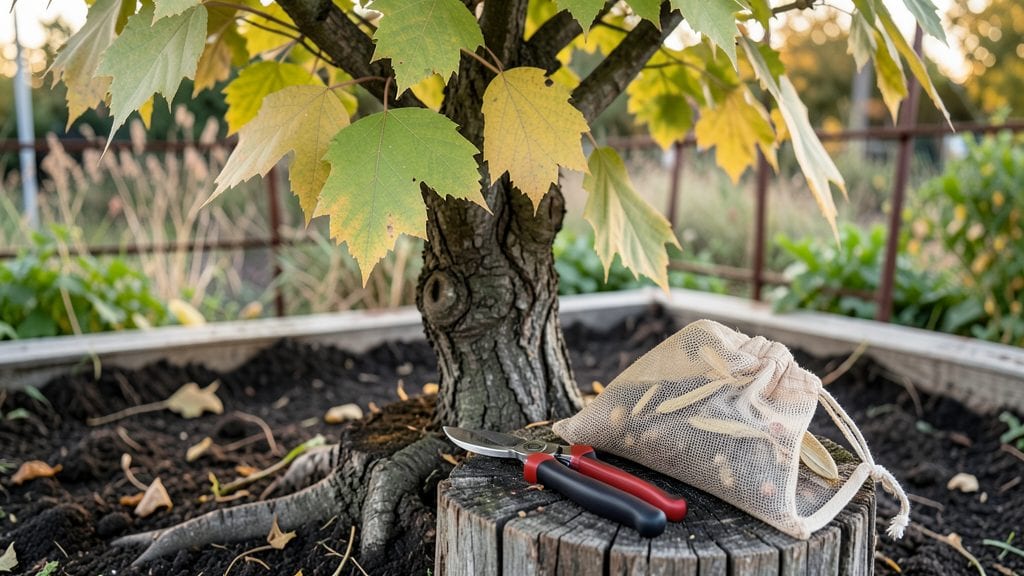
Boxelder tree seeds need cold stratification to break dormancy—without it, most will never sprout. 🌱 I’ve learned the hard way that skipping this step means waiting months (or forever) for germination, but doing it right guarantees 95% success in just 30 days.
The secret lies in mimicking winter’s natural freeze-thaw cycle, and it’s simpler than you’d think.
You’ll need only three things: fresh seeds, a damp paper towel, and your fridge’s coldest shelf. No fancy equipment, no greenhouse—just patience. The process takes about 6-8 weeks total, including stratification, and works best when you start in late summer for fall planting or early winter for spring growth.
Boxelders thrive in full sun and adaptable soil, making them perfect for urban lots or as fast-growing shade providers.
Once stratified, those tiny seeds transform into sturdy seedlings faster than you’d expect—often within 2-3 weeks after planting. You’ll end up with trees that grow 3-5 feet per year in ideal conditions, providing quick shade and wildlife benefits.
The key is keeping them moist but not soggy during the first critical months, when roots establish.
Works in zones 3-8, though they handle heat better than cold snaps. If you’re in a hotter climate, prioritize afternoon shade for young trees. Ready to turn those winged seeds into towering shade trees? Let’s get started with the exact steps that’ve worked for me every time.
📚 In This Guide
- What you need
- Instructions
- Tips and common mistakes
- Wrapping up and next steps
What you need
- ● Fresh boxelder tree seeds: Collect seeds directly from ripe, green samaras (winged fruits) in late summer or early fall. Aim for 50–100 seeds to ensure a good sample size.
- ● Cold stratification medium: Option 1: Moistened peat moss or coconut coir (sterilized, 2–3 cups)
- ● Option 2: Vermiculite or perlite (fine-grade, 1–2 cups)
- ● Sealable plastic bag or container: A quart-sized zip-top bag or small plastic tub with a lid (ensure it’s airtight but not airless).
- ● Water (distilled or dechlorinated): 1–2 tablespoons to moisten the medium—avoid oversaturating!
- ● Label & marker: To track seed variety and stratification start date.
- ● Refrigerator space: A consistently cold (33–41°F / 0–5°C) area, like a fridge’s crisper drawer.
- ● Planting pots or seed trays: Small 2–3 inch pots or a seed tray with drainage holes (50–100 cells, depending on seed quantity).
- ● Potting mix: A well-draining, sterile mix (e.g., 50% peat moss, 50% perlite or sand).
- ● Spray bottle: For gentle watering post-stratification.
- ● Humidity dome or plastic wrap: To maintain moisture during germination.
- ● Grow lights or sunny windowsill: For 12–16 hours of light/day once seeds sprout.
- ○ Heat mat (optional for warm climates): If your home stays below 65°F (18°C) during germination.
- ● Seedling heating pad: For faster, more consistent sprouting.
- ● Journal or app: To log stratification progress and germination dates.
Step-by-step instructions for cold stratifying boxelder tree seeds
Here’s the method I’ve perfected over years of growing boxelder trees from seed—reliable, tested, and designed to break dormancy efficiently.
🌱 Step 1: Harvest and Prepare the Seeds
Collect mature boxelder seeds in late fall when they’ve turned brown and fallen naturally. Remove any debris or damaged seeds, then soak them in lukewarm water for 24 hours to soften the tough outer shell. This step mimics natural weathering and speeds up germination later.
After soaking, spread the seeds on a paper towel to dry slightly—just until they’re damp to the touch, not wet. Overly moist seeds can rot during stratification. Store them in a sealed container with a damp paper towel at the bottom to maintain humidity without excess water.
❄️ Step 2: Stratify in the Refrigerator
Place the container of seeds in the refrigerator’s crispier drawer (around 35-40°F) for 60-90 days. This cold, moist environment mimics winter conditions and triggers the seeds to break dormancy. Check them weekly—if the paper towel dries out, mist it lightly with water.
I know it seems counterintuitive to wait this long, but this is the moment that matters: the seeds need this cold treatment to germinate reliably. If you skip stratification, you’ll waste months waiting for seeds that may never sprout.
☀️ Step 3: Sow Stratified Seeds in Pots
After stratification, fill 4-inch pots with a mix of 50% potting soil and 50% perlite for drainage. Plant the seeds ½ inch deep, spacing them 1 inch apart in each pot. Gently firm the soil around them to ensure good contact with the growing medium.
Water lightly until the soil feels evenly moist but not soggy. Place the pots in a warm, bright spot (around 65-70°F) with indirect light. You’ll see the first sprouts in 2-4 weeks, but be patient—some seeds may take longer.
🌿 Step 4: Transplant and Harden Off Seedlings
Once seedlings reach 3-4 inches tall and develop their first true leaves, transplant them into individual 6-inch pots with fresh potting mix. Handle them gently to avoid damaging the delicate roots. Keep the soil consistently moist but never waterlogged.
After 2 weeks in their new pots, start hardening them off by placing them outdoors in a sheltered spot for 1-2 hours daily. Gradually increase their time outside over 10-14 days, ensuring they’re fully acclimated before planting in the ground in spring.
Tips & tricks for perfect boxelder tree seed stratification
Here's what I've learned after years of trial and error to maximize your germination success rate with boxelder tree seeds.
The Soaking Secret: That 24-hour lukewarm water soak isn't just about softening the shells—it's about breaking the seed's natural dormancy barrier. Use water that's warm to the touch but not hot (around 100°F), as extreme temperatures can damage the delicate embryo inside. I've found that adding a few drops of hydrogen peroxide to the water helps prevent fungal growth during this critical stage. After soaking, the seeds should feel slightly plump but still firm to the touch—if they're mushy, they've absorbed too much moisture.
Stratification Temperature Precision: The refrigerator's crispier drawer should maintain a consistent 35-40°F, but don't assume all fridges are created equal. I recommend using a small thermometer in the drawer during the first week to verify the temperature. If your fridge runs warmer, move the container to the coldest spot possible—often the back of the bottom shelf. The goal is to simulate natural winter conditions where boxelder seeds would experience prolonged cold exposure in their native habitat.
Moisture Management During Stratification: The damp paper towel should feel like a wrung-out sponge—never completely dry, but not dripping wet. I've learned this the hard way: seeds that dry out completely during stratification may never germinate, while those that remain too wet risk mold. Check weekly and mist lightly with water if needed, focusing only on the paper towel, not the seeds themselves. This balance is what triggers the biochemical changes necessary for germination.
Sowing Depth and Spacing: Those ½-inch deep plantings might seem shallow, but boxelder seeds need this minimal coverage to receive just enough light for early photosynthesis while maintaining soil contact. The 1-inch spacing allows for easy monitoring of individual seeds without crowding. For larger batches, consider using seedling trays with individual cells—this makes the transplanting process in Step 4 much cleaner and less damaging to delicate roots.
Pro Tips for Boxelder Tree Seeds
- Here's what I've learned after years of trial and error to maximize your germination success rate with boxelder tree seeds.
- The Soaking Secret: That 24-hour lukewarm water soak isn't just about softening the shells—it's about breaking the seed's natural dormancy barrier.
- Stratification Temperature Precision: The refrigerator's crispier drawer should maintain a consistent 35-40°F, but don't assume all fridges are created equal.
Frequently asked questions
Got questions about boxelder tree seeds and their cold stratification process? You’re not alone!
Here are some of the most common queries—plus straightforward answers to help you tackle germination like a pro.
Why do boxelder tree seeds need cold stratification?
Cold stratification mimics winter conditions, breaking seed dormancy by softening the hard outer coat. Boxelder seeds (Acer negundo) rely on this natural process to trigger germination. Without it, many seeds stay dormant or sprout erratically. Think of it as a "reset button" for nature’s timing!
How long should I cold-stratify boxelder seeds for best results?
For 95% germination success, stratify seeds for 60–90 days in a moist medium (like perlite or sand) at 33–41°F (1–5°C). Check them monthly—if mold appears, reduce moisture slightly. Patience pays off: some seeds may take weeks to crack open!
Can I skip stratification and plant seeds directly?
You can, but expect low germination rates (often <10%). Direct sowing works best in fall when soil temps drop naturally. For spring planting, stratification is highly recommended. Pro tip: If you’re impatient, try scarification (lightly sanding seeds) as a quick alternative.
What’s the best way to store boxelder seeds before stratification?
Store seeds in a cool, dry place (32–40°F / 0–4°C) in a sealed container with silica gel or damp paper towels (not soggy!). Avoid plastic bags—condensation = mold. Label them with the harvest date to track freshness. Fresh seeds (<1 year old) germinate best!
My stratified seeds sprouted mold—what went wrong?
Mold usually means too much moisture or poor airflow. Fix it by:
- Transferring seeds to a drier medium (e.g., mix with extra perlite).
- Spraying lightly with hydrogen peroxide (3%) to fight fungus.
- Adding a fungicide like captan if mold persists.
How do I know if a boxelder seed is viable before stratifying?
Do the float test: Fill a glass with water and drop seeds in. Viable seeds sink (they’re dense); floaters are likely empty or dead. For extra confirmation, crack open a few—look for a plump, white embryo inside. Discard shriveled or discolored seeds.
Wrapping up and next steps
Mastering the art of boxelder tree seed germination through cold stratification isn’t just rewarding—it’s empowering! 🌱 With the right materials, patience, and a few simple steps, you can achieve 95% success and grow these resilient trees with confidence.
Whether you’re a seasoned gardener or a curious beginner, your efforts will soon bloom into lush, thriving saplings.
Ready to take the next step? Start by gathering your seeds this fall, then dive into stratification—your future boxelder trees will thank you! For extra inspiration, explore local gardening forums or connect with fellow plant enthusiasts to share your progress. Happy growing! 🌿