
Trees
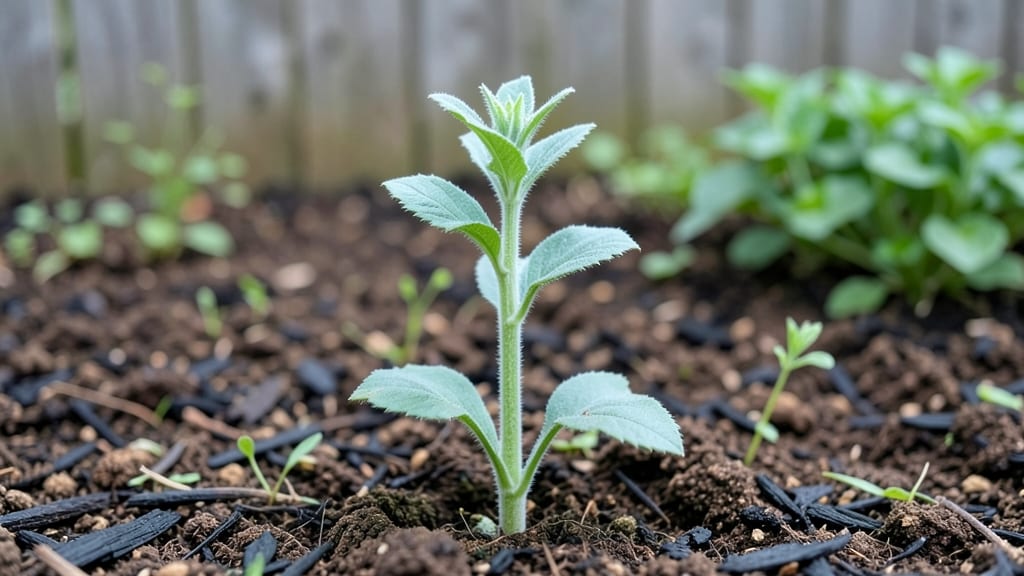
The identification of a larkspur seedling early saves you from weeding out what could be your next stunning border plant—those first leaves might look like any other seedling, but larkspur has a few dead giveaways, like its slightly fuzzy stems and the way its first true leaves grow in pairs with rounded, scalloped edges.
I learned this the hard way after pulling what I thought were weeds, only to realize they were larkspur I'd planted the year before.
The biggest mistake new gardeners make is waiting too long to identify seedlings. By the time they're 4 inches tall, they might already be root-bound or stressed from being mistaken for dandelions.
Focus on the leaf arrangement: larkspur's leaves alternate along the stem, and the stems themselves have a delicate, almost hairy texture that's easy to miss if you're not looking closely. A magnifying glass helps if your eyes aren't what they used to be.
Once you've confirmed they're larkspur, treat them gently—they're delicate but resilient. Transplant them on a cloudy day to avoid shock, and keep the soil consistently moist but not soggy.
In just a few weeks, you'll see those signature tall spikes forming, and your garden will have the kind of vertical drama that makes neighbors ask, "What are those beautiful blue flowers?"
This works just as well for annual larkspur as it does for perennial varieties, though perennials might take an extra season to really show off.
The key is catching them early, so you don't end up with a gap where you wanted color—or worse, a missed opportunity to grow something truly show-stopping.
Mistaken Seedling Identification Causes
Identifying larkspur seedlings correctly can be tricky, especially for beginners. Missteps often stem from a mix of biological quirks, environmental factors, and human error. Understanding these causes helps you avoid confusion and ensures you nurture the right plants.
Let’s break down why misidentification happens—and how to steer clear of these pitfalls.
Larkspur (Delphinium spp.) seedlings share traits with other plants in the Ranunculaceae family, like Delphinium ajacis (annual larkspur) or even Aquilegia (columbine). Here’s why this causes confusion:
- Leaf Shape and Arrangement: Young larkspur seedlings often have deeply lobed or pinnate leaves, similar to columbine or even foxglove (Digitalis). The key difference? Larkspur leaves are typically hairy (pubescent) and have a blue-green hue, while columbine leaves are smoother and more rounded.
- Stem Structure: Larkspur stems are usually hollow and tapered, whereas related plants like Consolida (rock larkspur) have solid stems. A quick squeeze test can reveal this difference—gently press the stem between your fingers. If it feels springy or collapses slightly, it’s likely larkspur.
Pro Tip: 🔍 Use a magnifying glass to inspect leaf texture and stem structure. Hairy leaves and hollow stems are your best friends for accurate ID!
Larkspur seedlings undergo rapid changes in their first few weeks, making them look nothing like mature plants. Here’s how this leads to mistakes:
- Cotyledon vs. True Leaves: Larkspur seedlings start with round, smooth cotyledons (seed leaves) that resemble those of other plants like snapdragons or even mustard greens. True larkspur leaves (lobed, blue-green, and hairy) only appear in the second or third week after germination.
- Slow Growth Rate: Larkspur is a cool-season plant that germinates best in temperatures between 40–60°F (4–15°C). If sown too late or in warm soil, seedlings may linger in the cotyledon stage, delaying the appearance of distinctive features. Gardeners might mistake them for weeds like Chenopodium (pigweed) or Portulaca (purslane).
Pro Tip: ⏳ Patience is key! Wait at least 3–4 weeks before attempting identification. If seedlings don’t develop lobed, hairy leaves by then, they might not be larkspur—or could be struggling due to poor conditions.
Larkspur seedlings are delicate and highly sensitive to their growing conditions. Stress from improper care can alter their appearance, making them harder to recognize:
- Overwatering or Poor Drainage: Larkspur hates soggy roots. Excess moisture causes seedlings to develop yellowing leaves (chlorosis) or mushy stems, mimicking fungal diseases like damping-off. Healthy larkspur seedlings should have firm, upright stems and glossy leaves.
- Temperature Extremes: Seedlings sown in hot soil (>70°F or 21°C) may bolt prematurely (send up a tall, thin stem without proper leaves) or wilt. Conversely, cold snaps (<32°F or 0°C) can stunt growth, making leaves appear smaller and less lobed than expected.
- Light Conditions: Larkspur thrives in full sun (6+ hours/day). Shady conditions lead to long, leggy seedlings with pale, underdeveloped leaves, resembling shade-loving weeds like Lamium (dead nettle).
Pro Tip: 🌡️ Monitor soil temp with a thermometer—ideal germination range is 50–65°F (10–18°C). Use row covers in early spring to protect seedlings from temperature swings.
Even with the right conditions, gardeners can misidentify seedlings due to overlooking key details or rushing the process. Common mistakes include:
- Focusing Only on Flowers: Larkspur’s showy blue/purple blooms are its trademark, but seedlings won’t flower for months. Relying on flower color for ID is like judging a tree by its fruit before it’s even sprouted leaves!
- Ignoring Root Structure: Larkspur has a taproot system (a single deep root). If you accidentally disturb seedlings (e.g., weeding too aggressively), you might miss this clue and mistake them for shallow-rooted weeds like Stellaria media (chickweed).
- Mixing Up Cultivars: Some larkspur varieties, like Delphinium elatum (perennial larkspur), have larger, more deeply lobed leaves than annual types. Confusing them with Consolida ambigua (annual rock larkspur) is easy if you don’t check the leaf arrangement (alternate in larkspur vs. basal rosette in rock larkspur).
Pro Tip: 📸 Snap a photo of seedlings from multiple angles (top, side, close-up of leaves). Compare them to a reliable guide (like the Missouri Botanical Garden’s plant database) to double-check.
Unseen threats can alter a seedling’s appearance, leading to misidentification:
- Slugs and Snails: These pests chew irregular holes in larkspur leaves, making them look ragged or deformed. Damaged seedlings may resemble cabbage worms or leaf miners on other plants.
- Fungal Infections: Powdery mildew or downy mildew cause white or gray fuzzy patches on leaves, mimicking moldy weeds like Lamium. Healthy larkspur leaves should be smooth and slightly waxy.
- Aphids or Spider Mites: These tiny pests distort new growth, causing curled or stunted leaves. Infested seedlings might be mistaken for stressed basil or dwarfed parsley.
Pro Tip: 🦋 Inspect the undersides of leaves for pests. Use neem oil or insecticidal soap if you spot damage—larkspur is not a high-value crop, so early intervention prevents spread.
Quick Fixes for Seedling Confusion
Identifying larkspur seedlings can feel like solving a botanical puzzle—especially when they resemble other plants at first glance. But with the right steps, you can confidently distinguish them and nurture them into thriving blooms.
Below, we break down common challenges and provide actionable solutions to ensure your seedlings grow strong and healthy.
Problem: Young larkspur seedlings can easily be mistaken for other annuals or even weeds, leading to accidental removal. Solution:Larkspur seedlings have distinctive lance-shaped leaves with a slightly fuzzy texture. Compare them to these common lookalikes:
- 🔍 Check leaf shape: Larkspur leaves are narrow and pointed, while snapdragons or sweet peas have broader, rounded leaves.
- 🌿 Examine the stem: Larkspur stems are hairy and may have a slight reddish tint near the base—unlike smooth-stemmed weeds.
- 📏 Measure growth: True larkspur seedlings grow slowly at first, while fast-sprouting weeds (like lamb’s quarters) shoot up quickly.
Prevention tip: 💡 Plant larkspur in a designated bed or use biodegradable markers to label seedlings early. This avoids accidental weeding!
Problem: Larkspur seedlings are sensitive to moisture extremes—too much or too little can stunt growth or cause rot. Solution:Look for these clues:
- 💧 Yellowing leaves + mushy stems = Overwatered
- 🔥 Fix: Let the soil dry slightly between waterings (keep it moist but not soggy).
- ⏰ Tip: Water in the morning to reduce fungal risks.
- 🌵 Crispy edges + wilting = Underwatered
- 🍳 Fix: Water deeply once a week (adjust for heat/drought). Use a soaker hose to avoid disturbing seedlings.
- 🌡️ Pro tip: Mulch with straw or shredded leaves to retain moisture.
Act fast with these targeted fixes:
- 🐜 Tiny green/black bugs clustered on leaves = Aphids
- 🔪 Fix: Spray with a soapy water mix (1 tsp mild soap per quart of water) or introduce ladybugs as natural predators.
- ✨ Prevent: Encourage beneficial insects by planting marigolds nearby.
- 🕷️ Chewed leaves with slime trails = Slugs
- 🍳 Fix: Set up beer traps (bury a cup filled with beer) or use copper tape around pots.
- 🎯 Tip: Handpick slugs at dusk when they’re most active.
Revitalize them with these simple steps:
- 🌞 Insufficient light = Leggy, weak stems
- 🔥 Fix: Move seedlings to a sunniest spot (6+ hours of light daily). Use a grow light if natural light is limited.
- 🌱 Nutrient-deficient soil = Pale leaves
- 💡 Fix: Feed with a balanced fertilizer (10-10-10) diluted to half-strength. Avoid over-fertilizing!
- 🥗 Pro tip: Mix compost into the soil before planting for long-term health.
Remember: Larkspur seedlings thrive with patience and consistency. Regular checks and gentle care will help them grow into the striking, spiky blooms you love. 🌸
Frequently asked questions
How do I tell if a young seedling is larkspur before it develops true leaves?
Look for the cotyledons (first leaves) which are round and smooth, but pay attention to the stem texture. Larkspur stems are often slightly fuzzy or hairy, unlike many weeds. Also, check the root structure—gently dig up a seedling and look for a taproot (single deep root) rather than a fibrous root system.
Why do my larkspur seedlings look like weeds or other flowers?
Larkspur seedlings can resemble columbine or foxglove early on, but the key difference is their hairy leaves and blue-green coloration. Weeds like purslane or lamb’s quarters grow much faster and have smoother stems. Wait 3-4 weeks for true leaves to appear before making a decision.
Can I transplant larkspur seedlings once they've developed their first true leaves?
Yes, but do it on a cloudy day to reduce stress. Handle seedlings by their leaves (not stems) and keep them well-watered for 1-2 weeks after transplanting. Avoid moving them until they have 2-3 sets of true leaves—this gives them a better chance of survival.
What should I do if I accidentally pulled a larkspur seedling thinking it was a weed?
Don’t panic! If you’ve removed it by mistake, check if any remaining roots are still in the soil. If so, gently replant it and keep the area consistently moist for 10-14 days to encourage regrowth. Larkspur is resilient, and new seedlings often sprout from disturbed roots.
How can I tell the difference between annual and perennial larkspur seedlings?
Annual larkspur (Delphinium ajacis) typically has smaller, more finely lobed leaves, while perennial varieties (Delphinium elatum) develop larger, deeper lobes earlier. Perennial seedlings also tend to grow slightly taller in their first few weeks. Check the leaf arrangement—perennials often have more pronounced veins.