Plants
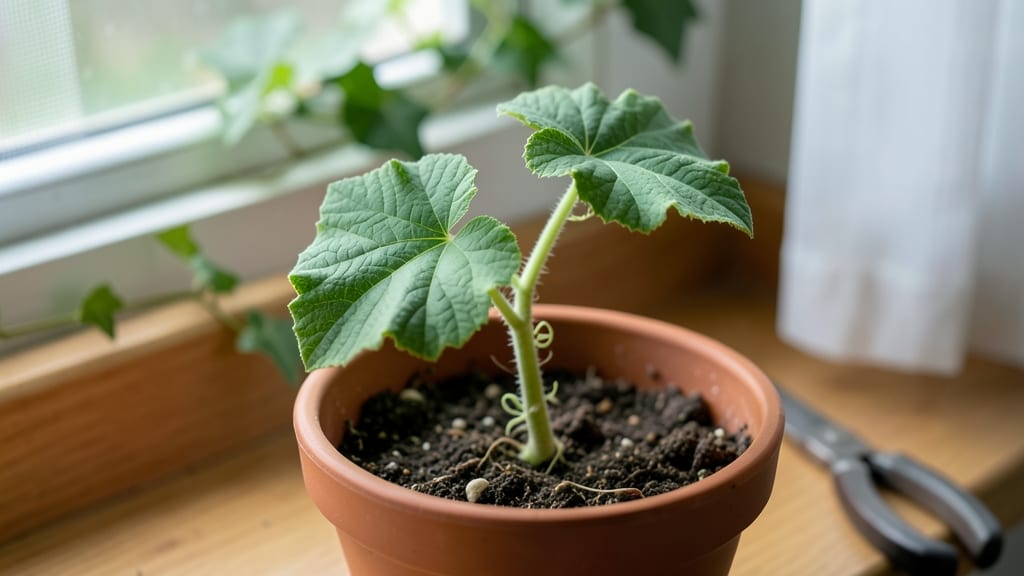
A cantaloupe seedling's early growth stages are surprisingly distinctive. Those first leaves—called cotyledons—look like miniature melon slices, but don't be fooled by their innocent appearance. 🌱 Within weeks, the real transformation begins when true leaves emerge, their jagged edges and fuzzy texture setting them apart from common vines.
The horizontal vine growth is another dead giveaway, unlike the upright stems of cucumbers or squash. This unique progression helps gardeners spot cantaloupe seedlings early, giving them a head start on proper care.
What's fascinating is how these visual cues directly reflect the plant's health. Bright, glossy leaves with deep green veins signal strong seedlings ready for transplanting, while dull or yellowing foliage warns of stress.
I've learned to check for these traits when deciding whether seedlings are container-ready—it's all about those lobe patterns and stem vigor.
💡 In This Article
- Identifying Cantaloupe Seedling Stages by Leaf Shape
- Tips for Spotting Healthy Cantaloupe Seedlings in Containers
Identifying cantaloupe seedling stages by leaf shape
Here's what's actually happening during those first critical weeks: cantaloupe seedlings undergo a dramatic transformation from their initial cotyledons to true leaves. Those first leaves you see—smooth, round cotyledons—are actually seed leaves that store nutrients.
They're typically 0.5 to 1 inch wide and have a velvety texture, almost like tiny watermelon slices. What's fascinating is how these cotyledons serve as the plant's first energy source, unfolding just days after germination to begin photosynthesis.
The real magic happens when true leaves emerge, usually within 10-14 days of germination. These leaves have 3-5 deep lobes with jagged edges, creating a distinctive "hand-like" shape when fully mature. The edges aren't just serrated—they have tiny, almost thorn-like projections that help distinguish them from squash or cucumber seedlings.
The stem at this stage develops fine hairs, which serve as a protective layer against pests and excessive moisture loss. This hairiness is particularly noticeable when you run your fingers along the stem.
What most people don't realize is how these leaf patterns help identify the plant's health. Healthy cantaloupe seedlings develop leaves with bright green veins that create a network pattern visible through the leaf surface. The lobes should be evenly spaced, with no curling or yellowing at the edges.
Compare this to cucumber seedlings, which have more rounded leaves with smooth edges, or squash seedlings that develop broader, less lobed leaves with a waxier surface. The cantaloupe's leaves also grow in pairs along the stem, creating a distinctive alternating pattern.
The vine-like growth habit is another key identifier. Unlike cucumbers that grow upright initially, cantaloupe stems spread horizontally along the soil surface, developing roots at the nodes where leaves attach.
This horizontal growth pattern continues as the plant matures, which is why you'll often see cantaloupe vines spreading 3-5 feet outward from the central plant. The stems themselves develop a rough, almost sandpapery texture as they mature, which is another distinguishing feature.
Here's a quick comparison to help you spot the differences:
- Cantaloupe: Deeply lobed leaves with jagged edges, hairy stems, horizontal vine growth
- Cucumber: Rounded leaves with smooth edges, upright stems, less pronounced lobing
- Squash: Broad leaves with fewer lobes, waxy surface, more upright growth habit
The waxy coating on cantaloupe leaves serves a crucial purpose—it helps reduce water loss and reflects sunlight, protecting the delicate young leaves from heat stress. This coating becomes more pronounced as the leaves mature, giving them a slightly shiny appearance when healthy.
Pay attention to these details when identifying your seedlings, as they provide valuable clues about the plant's development stage and overall health. 💫