
Aphids
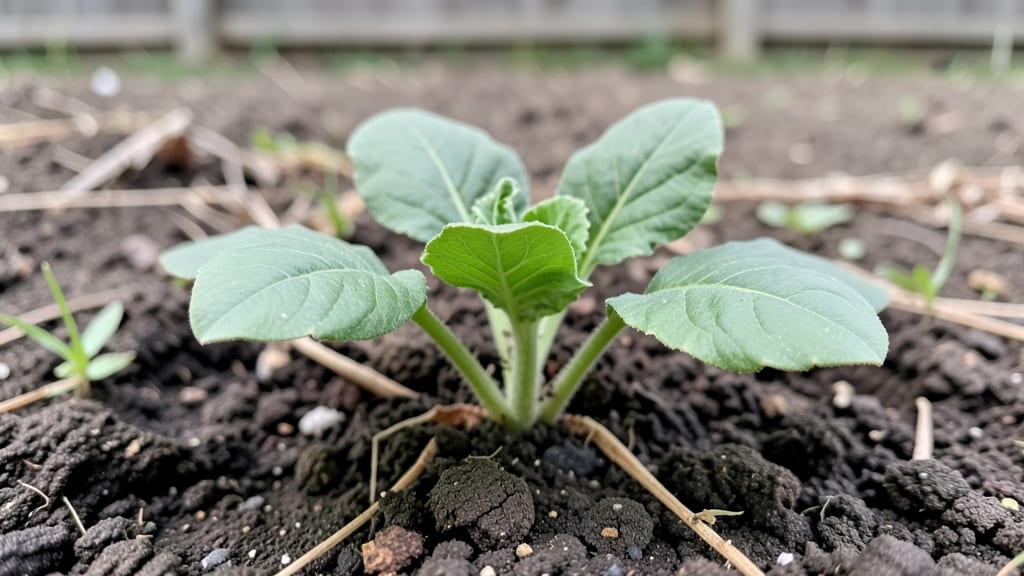
Mastering lettuce seedling identification early can spare you from weeks of heartbreak—because those tiny leaves hold all the clues. and how they grow. The right identification means you’ll harvest crisp heads in just 4-6 weeks, not a sad, stunted mess.
Romaine seedlings have long, narrow leaves that form a loose rosette, while butterhead varieties grow in soft, rounded clusters. Leaf lettuce? Look for jagged edges and a more open shape.
Healthy seedlings stand firm with deep green leaves—anything yellow or purple signals stress or disease. A quick check now prevents wasted effort later.
This isn’t just about spotting pests; it’s about catching problems before they spread. Aphids leave sticky residue, while fungal spots show up as fuzzy gray patches. When you recognize these early, you can isolate affected plants and save the rest.
The payoff? A garden full of crisp, vibrant lettuce instead of sad, struggling seedlings.
Works for all varieties and growing conditions—whether you’re starting seeds indoors or direct-sowing in cool spring soil. Let’s get those seedlings right from the start.
📚 In This Guide
- What you need
- Instructions
- Tips and common mistakes
- Wrapping up and next steps
What you need
- ● Lettuce seedlings – Any variety (e.g., romaine, butterhead, leaf lettuce)
- ● Magnifying glass – 1x (3x–10x magnification for close inspection)
- ● Notebook & pen – For recording observations (or a smartphone app like PlantNet)
- ○ Gloves (optional but recommended) – Nitrile or latex for handling pests
- ● Pruning shears – Small, sharp pair for trimming damaged leaves
- ● Spray bottle – 8 oz, filled with water (for rinsing seedlings)
- ● Pest identification guide – Printed or digital (e.g., University of Minnesota Extension’s Aphid Guide)
- ● Grow light or sunny windowsill – For consistent light exposure (12–16 hrs/day)
- ● Insecticidal soap or neem oil – For treating aphid infestations (follow label instructions)
- ● Humidity dome or plastic wrap – To retain moisture during early growth
- ● Camera with macro setting – For documenting pest details up close
- ● Soil moisture meter – To check hydration levels (over/under-watering stresses seedlings)
How to identify healthy lettuce seedlings at a glance
Skip the guesswork—here's how I spot strong, pest-free seedlings in seconds using simple visual cues.
Examine Leaf Shape and Color for Health
Healthy lettuce seedlings display deep green, vibrant leaves with a slightly glossy texture that reflects light. The first true leaves (not the initial cotyledons) should be round to slightly oval with smooth, even edges. If leaves appear yellowish, pale, or mottled, your seedlings need more light or nutrients.
Check the undersides too—dark green veins running through translucent leaves signal vitality. Yellowing between veins (chlorosis) often means nutrient deficiency, while brown spots suggest overwatering or fungal issues. I always compare seedlings side by side; healthy ones stand out immediately.
Assess Stem Strength and Growth Pattern
A strong lettuce seedling has a thick, sturdy stem that supports leaves without bending. The stem should be upright or slightly angled toward light, never stretched thin and leggy. Leggy seedlings (long, weak stems with widely spaced leaves) indicate insufficient light exposure.
Run your finger along the stem—it should feel firm but flexible, not mushy or hollow. Mushy stems signal rot, while hollow stems mean the seedling is struggling to establish roots. Healthy seedlings also grow in a compact, bushy pattern rather than reaching skyward.
Inspect Roots for Pest and Disease Signs
Gently cup the seedling at soil level and wiggle it slightly—healthy roots should resist movement and be white or pale yellow with fine, hair-like rootlets. Look for no blackened, slimy areas (sign of rot) or orange/red webbing (root maggots).
If roots appear dark brown or mushy, pull the seedling and check for wireworms or cutworms hiding in the soil. Healthy roots should fill the root ball completely. I often use a magnifying glass for close inspection—pests like aphids or spider mites hide on undersides or in leaf creases.
Spot Common Pests Before They Spread
Check the leaf undersides and stems for tiny greenfly clusters (aphids) or fine webbing (spider mites). Aphids leave sticky residue (honeydew) on leaves, while spider mites cause silver speckling on leaf surfaces. I tap seedlings over white paper—pests fall out immediately.
Look for chewed edges (cutworms) or holes in leaves (leaf miners). Healthy seedlings show no visible damage beyond normal growth variations. If you spot pests, isolate affected seedlings immediately—lettuce is highly susceptible to infestations once they take hold.
Verify Growth Rate Against Development Stages
Healthy lettuce seedlings should show visible growth every 3-4 days under optimal conditions. By 10-14 days, they should have 3-4 true leaves (not counting cotyledons). Compare your seedlings to a reference chart—stunted growth or delayed leaf development signals stress.
Use a ruler to measure leaf length—healthy seedlings reach 1-2 inches tall by week two. If seedlings remain under ½ inch or show no new growth, check soil moisture (too dry) or light exposure (too dim). I keep a journal of seedling progress to spot deviations early.
Tips & tricks for perfect lettuce seedling identification
These visual cues will help you spot healthy seedlings in seconds, saving you from wasted effort and ensuring strong, pest-free plants.
Lighting Matters: Always examine seedlings under natural light or a bright lamp—artificial lighting can distort colors. I notice the most accurate color assessment happens in morning sunlight, when the light is softest but still reveals the true green of healthy leaves. If you're indoors, position seedlings near a south-facing window for the most consistent light conditions.
The Stem Strength Test: When assessing stems in Step 2, press gently along the length—healthy stems should spring back immediately. I learned this the hard way after discarding perfectly good seedlings that were just slightly dehydrated. A quick spritz of water and a few hours of recovery often brings them back to full health. This simple test saves me from throwing out viable plants.
Root Inspection Shortcut: For a faster root check in Step 3, use a clean butter knife to gently slice through the soil at the base of the seedling. Healthy roots should appear white and dense, while diseased roots will show blackened areas or an unpleasant odor. This method is less invasive than pulling seedlings and works well for seedlings in trays.
Pest Detection Hack: To quickly identify aphids or spider mites in Step 4, place a white piece of paper under the seedlings and tap gently on the stems. Pests will fall onto the paper, making them instantly visible. I keep a small magnifying glass handy for close inspections—it reveals tiny pests that might otherwise go unnoticed until they've caused significant damage.
Pro Tips for Lettuce Seedling Identification
- These visual cues will help you spot healthy seedlings in seconds, saving you from wasted effort and ensuring strong, pest-free plants.
- Lighting Matters: Always examine seedlings under natural light or a bright lamp—artificial lighting can distort colors.
- The Stem Strength Test: When assessing stems in Step 2, press gently along the length—healthy stems should spring back immediately.
Frequently asked questions
How do I tell if my lettuce seedlings are healthy?
Healthy seedlings have vibrant green leaves, a sturdy stem, and no yellowing or wilting. Check for strong roots (if you gently tug them) and no signs of pests like holes or sticky residue. If they’re leggy or pale, they might need more light or nutrients!
When should I transplant my lettuce seedlings?
Transplant when seedlings have 2–3 true leaves (not just the initial seed leaves) and are about 2–3 inches tall. Wait until evening to avoid stress from sun exposure, and water them well before and after transplanting. Pro tip: Harden them off for 3–5 days first!
What are the most common pests attacking lettuce seedlings?
The usual suspects include aphids (tiny green/black bugs), slugs (chewed leaves), and cabbage worms (large green caterpillars). Look for holes, wilting, or webbing. Neem oil or handpicking (for aphids) works great for early intervention!
Can I grow lettuce from store-bought heads?
Yes! Save the outer leaves (not the core) and place them in water or damp soil. They’ll regrow, but expect smaller, less uniform seedlings. For better results, stick to seeds—store-bought lettuce is often treated to prevent sprouting.
What if my seedlings look diseased (yellow, moldy, or mushy)?
Yellowing? Likely overwatering or nutrient deficiency. Mushy stems or mold? Fungal disease (like damping-off). Act fast: Remove affected plants, improve airflow, and avoid wetting foliage. A baking soda spray (1 tsp per quart of water) can help with mild cases!
Wrapping up and next steps
Mastering lettuce seedling identification is your first step toward a thriving garden! By recognizing healthy growth and spotting early signs of aphids or other pests, you’re already ahead of the game. 🌱
Now that you’re equipped with the knowledge, take action—inspect your seedlings regularly and address issues before they spread. Happy gardening, and may your lettuce flourish!