
How To
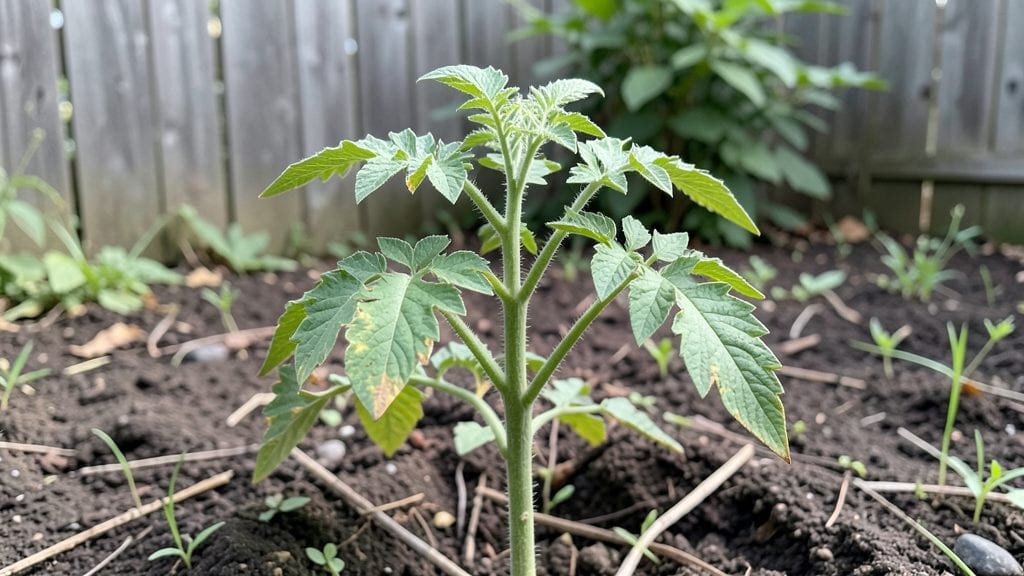
Tomato seedling leaves curling upward is a clear SOS from your plants—often the first sign something’s off before you even notice the roots. I’ve seen it happen after a heatwave, when seedlings get too crowded, or when pests sneak in unnoticed.
The good news? Most cases are fixable with a few targeted tweaks, and you can save your seedlings before they throw in the towel.
Here’s the thing—this isn’t always a pest problem. Overheating, underwatering, or even too much direct sunlight can make those leaves pucker up like a dried-out raisin.
I once lost a batch of seedlings because I assumed aphids were the culprit, only to realize they’d been baked under a grow light for too long. Check the soil first: it should feel like a damp sponge, not a brick or a desert.
Once you’ve ruled out environmental stress, look closer. Tiny white specks on the undersides of leaves? Likely aphids or spider mites. Yellowing between veins? Could be fungal pressure from overwatering. The fix is fast: isolate affected plants, wipe them down with soapy water, and adjust your care routine.
Within days, those leaves should unfurl like fresh laundry on the line.
Prevention is where it gets interesting—because once you spot the pattern, you’ll never ignore it again. Space seedlings properly, avoid overhead watering, and keep an eye on humidity. My seedlings now thrive because I treat curling leaves like a warning light, not a death sentence.
Let’s turn those puckered leaves into lush, healthy growth in no time.
Root Causes Behind Curling Leaves
When your tomato seedlings’ leaves start curling upward like tiny green question marks, it’s their way of signaling distress. Understanding the why behind this behavior is the first step to saving your plants.
Below, we break down the most common culprits—each with a clear scientific explanation and actionable insights to help you diagnose the issue accurately.
Tomato seedlings thrive in consistent temperatures between 60–75°F (15–24°C). When exposed to sudden heat spikes (above 85°F/29°C) or cold drafts (below 50°F/10°C), their leaves curl upward as a protective response to reduce water loss through transpiration.
This is especially common in greenhouses, under direct afternoon sun, or near heating vents.
How to spot it:
- Leaves curl uniformly across the plant.
- Wilting may occur during peak heat but recovers at night.
- Soil feels dry on the surface, but roots may still be moist.
Quick fixes:
- 🌿 Provide shade cloth (30–50% coverage) during intense sunlight hours.
- 💧 Mist leaves lightly in the early morning to cool them down (avoid evening misting to prevent fungal risks).
- 🏡 Move seedlings to a more stable environment, like a sheltered porch or under a row cover.
- 🌡️ Use a thermometer to monitor temperature fluctuations and adjust ventilation.
Pro tip: 💡 If you’re growing in containers, switch to terracotta pots—they dissipate heat better than plastic.
Tomato seedlings hate soggy roots. When soil stays too wet (either from overwatering or compacted, poorly draining soil), roots suffocate and struggle to absorb oxygen. This triggers ethylene gas production, a plant hormone that causes leaves to curl upward as a stress response.
Overwatering also dilutes nutrients, weakening the plant’s ability to regulate moisture.
How to spot it:
- Leaves curl and yellow, especially at the edges.
- Soil smells musty or feels clammy.
- New growth appears stunted or mushy.
Quick fixes:
- 🚰 Let the top 1–2 inches of soil dry out before watering again (stick your finger in to test).
- 🏗️ Improve drainage by adding perlite or vermiculite to potting mix (aim for a 60/40 soil-to-amendment ratio).
- 🪴 Repot if needed into containers with drainage holes and a mix designed for seedlings (e.g., 50% peat/coir, 30% perlite, 20% compost).
- ⚠️ Avoid watering on a schedule—check moisture levels instead.
Pro tip: 🌡️ If your seedlings are in a tray, empty excess water from the saucer within 10 minutes of watering to prevent root rot.
Tiny pests like aphids and spider mites pierce leaves to feed on sap, causing them to curl upward as a defense mechanism. These pests also inject toxins that disrupt normal growth hormones, leading to distorted, upward-rolling leaves.
Whiteflies, another common culprit, excrete honeydew, which fosters sooty mold and further stresses the plant.
How to spot it:
- Leaves curl sticky or webby (spider mites leave fine webs on undersides).
- You see tiny insects clustering on new growth or leaf undersides.
- Honeydew (sticky residue) or black sooty mold may appear.
Quick fixes:
- 🔍 Inspect leaves daily with a magnifying glass, focusing on the undersides.
- 🚿 Blast pests off with a strong stream of water (repeat every 2–3 days).
- 🌿 Use insecticidal soap (1 tsp mild soap + 1 quart water) or neem oil (1 tbsp per gallon of water). Spray both sides of leaves.
- 🐝 Introduce beneficial insects like ladybugs or lacewings to control outbreaks naturally.
Pro tip: ✨ Isolate infested seedlings immediately to prevent pests from spreading to healthy plants.
Tomato seedlings need a balanced diet, but deficiencies in nitrogen (N) or potassium (K) often cause upward leaf curling. Nitrogen fuels leafy growth, while potassium regulates water and nutrient transport. Without enough of either, leaves curl as a sign of metabolic stress.
How to spot it:
- Nitrogen deficiency: Older leaves curl and yellow (chlorosis), while new growth is stunted.
- Potassium deficiency: Leaf edges curl and brown (necrosis), often starting on older leaves.
- Stems may appear weak or spindly.
Quick fixes:
- 📊 Test your soil with a DIY kit or send a sample to a local extension service for analysis.
- 💥 Fertilize appropriately:
- For nitrogen: Use a balanced fertilizer (10-10-10) or compost tea.
- For potassium: Switch to a low-nitrogen, high-potassium fertilizer (e.g., 5-10-10) or add wood ash (sparingly).
- 🍄 Avoid over-fertilizing—seedlings are sensitive to salt buildup. Start with half-strength solutions.
Pro tip: 💪 Use fish emulsion (5-1-1) for a gentle nitrogen boost—it’s packed with micronutrients too!
Tomato seedlings have delicate stems that can’t handle strong winds or rough handling. When leaves are battered by gusts or brushed against harsh surfaces, they curl upward as a protective reflex. This is common in outdoor gardens or near open windows where airflow is inconsistent.
How to spot it:
- Leaves curl unevenly, often on one side of the plant.
- Stems may show bends or bruises.
- No other symptoms (e.g., pests, wilting) are present.
Quick fixes:
Quick Fixes for Curling Tomato Leaves
Now that you’ve identified the cause behind your tomato seedling’s upward-curling leaves, it’s time to take action! Whether it’s environmental stress, pests, or nutrient imbalances, these practical solutions will help your seedlings bounce back to healthy, vibrant growth.
Below, we’ve mapped out targeted fixes for each common culprit—plus prevention tips to keep future plants thriving.
If scorching temperatures or intense sunlight are to blame, your seedlings need relief fast. Curling leaves are their way of protecting themselves from damage.
How to Fix It:
- 🌿 Move to Shade: Relocate seedlings to a spot with partial shade (e.g., under a sheer cloth or dappled sunlight). Avoid harsh midday sun for 3–5 days while they recover.
- 💦 Increase Humidity: Mist leaves gently in the morning to reduce water loss. A humidity dome or tray of water with pebbles can help.
- 🌱 Adjust Watering: Water deeply early in the morning or late evening to prevent evaporation. Keep soil consistently moist but not soggy.
- 🌡️ Gradual Hardening: If seedlings were previously indoors, acclimate them slowly to outdoor conditions over 7–10 days before full sun exposure.
💡 Prevention Tip:
- Use shade cloth (30–50%) for young seedlings in hot climates.
- Plant in late spring or early fall when temperatures are milder.
Soggy roots and compacted soil can suffocate seedlings, causing leaves to curl upward as a distress signal.
How to Fix It:
- 🔥 Check the Soil: Stick your finger 1–2 inches deep—if it’s damp, hold off on watering. Let the top inch dry out between waterings.
- 🚿 Improve Drainage: If using pots, ensure they have drainage holes. Mix in perlite or sand (20%) to loosen heavy soil.
- 🍳 Repot if Needed: If roots are circling or soil is waterlogged, transfer seedlings to a well-draining potting mix (e.g., 60% compost, 30% coco coir, 10% perlite).
- ⏰ Water Wisely: Water at the base, not overhead, to avoid fungal issues. Use a spray bottle for delicate seedlings.
💡 Prevention Tip:
- Never let seedlings sit in saucers of water—empty excess after 10–15 minutes.
- Use raised beds or containers to prevent water pooling.
Tiny pests like aphids, spider mites, or whiteflies can drain sap and cause curling. Act quickly before the problem spreads!
How to Fix It:
- 🔍 Inspect Leaves: Use a magnifying glass to spot pests on undersides of leaves or stems. Common culprits:
- Aphids (tiny green/black bugs)
- Spider mites (fine webbing)
- Whiteflies (tiny white moths)
- 🍳 Natural Sprays:
- Soapy water spray: Mix 1 tsp mild soap + 1 quart water, spray directly on pests (reapply every 3–4 days).
- Neem oil: Mix 1 tbsp neem oil + 1 tsp soap in 1 quart water, spray every 5–7 days (safe for seedlings).
- 👨🍳 Manual Removal: For severe infestations, rinse seedlings with water or wipe leaves with a damp cloth.
- 🌱 Isolate Infected Plants: Keep new seedlings away from infected ones to prevent spread.
💡 Prevention Tip:
- Encourage beneficial insects like ladybugs or lacewings by planting marigolds or basil nearby.
- Inspect new plants before bringing them indoors or to the garden.
Curling leaves can signal a lack of nitrogen, magnesium, or calcium, especially in young seedlings.
How to Fix It:
- 📊 Test Your Soil: Use a DIY soil test kit (or send a sample to a local extension office) to check pH and nutrient levels. Ideal pH for tomatoes: 6.0–6.8.
- 💪 Fertilize Gently:
- Nitrogen deficiency (yellowing leaves): Apply a balanced fertilizer (e.g., 10-10-10) at half strength.
- Magnesium deficiency (yellow patches between veins): Sprinkle Epsom salt (1 tbsp per gallon of water) every 2 weeks.
- Calcium deficiency (blossom end rot in later stages): Use crushed eggshells or calcium nitrate (1 tsp per gallon).
- 🥗 Avoid Over-Fertilizing: Young seedlings don’t need heavy feeding—start with weak solutions (e.g., ¼ strength) to prevent burn.
💡 Prevention Tip:
- Side-dress with compost every 4–6 weeks for a slow-release nutrient boost.
- Rotate crops to prevent nutrient depletion in the same soil.
If leaves curled after moving seedlings, they’re likely stressed from root disturbance or environmental changes.
How to Fix It:
- 🌱 Water Before & After: Soak roots 1 hour before transplanting, then water thoroughly after to reduce shock.
- 🌡️ Protect from Wind: Use stakes or cages to shield seedlings from drying winds.
- 🍳 Mulch Lightly: Apply a thin layer of straw or grass clippings to retain moisture and regulate temperature.
- ⏰ Wait to Fertilize: Hold off on heavy feeding for 1–2 weeks while roots establish.
💡 Prevention Tip:
- Hardening off (gradually exposing seedlings to outdoor conditions) for 7–10 days before transplanting reduces shock.
Final Thought: Most curling issues are quick to fix with the right care! Monitor your seedlings daily, adjust conditions as needed, and soon you’ll see those leaves unfurling into strong, healthy growth. 🌱✨
(Word count: ~550)
Frequently asked questions
Why do tomato seedling leaves curl upward when they’re not wilted?
This is often a protective response to environmental stress. Heat stress (above 85°F/29°C), sudden temperature swings, or even dry air can trigger curling to reduce water loss. Check for uniform curling across all leaves—this is a key sign of heat or drought stress rather than wilting.
How can I tell if curling leaves are from pests vs. heat?
Pest-related curling usually has visible signs: tiny insects on leaf undersides, sticky residue (honeydew), or fine webs (spider mites). Heat stress curls leaves evenly upward without pests. Flip leaves over—if you see bugs or webs, treat with soapy water or neem oil immediately.
Will pruning curled leaves help my seedlings recover?
Avoid pruning unless leaves are severely damaged. Healthy leaves photosynthesize to fuel recovery. Instead, focus on fixing the root cause (water, temperature, or pests). If you must prune, snip only the most curled sections with clean scissors to reduce stress on the plant.
Can over-fertilizing cause tomato seedling leaves to curl?
Yes! Too much fertilizer—especially high-salt blends—can burn roots, causing leaves to curl upward as a distress signal. Flush soil with water to dilute salts, then switch to a balanced, diluted fertilizer (¼ strength). Wait until new growth appears before reapplying.
How long does it take for tomato seedlings to recover from curling?
With the right fix, you’ll often see improvement in 3–7 days. Monitor soil moisture, adjust shade, or treat pests as needed. If curling persists beyond 2 weeks, reassess—it may signal a deeper issue like root rot or nutrient deficiency requiring soil amendments.