Vegetables
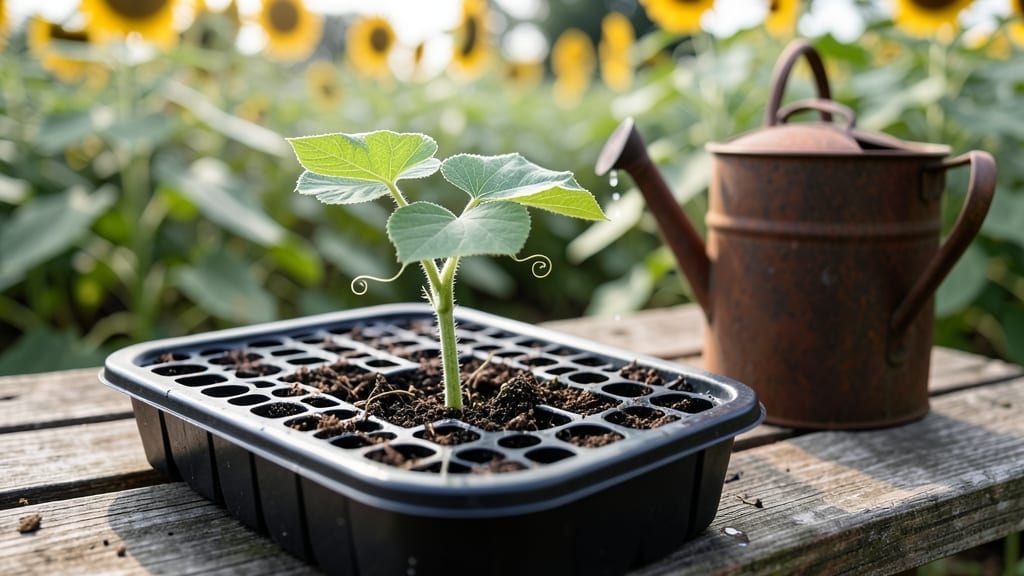
Fast luffa gourd seedlings start with a damp paper towel trick that cuts germination time in half. ✨ I’ve watched these vines take off in just seven days using this simple method—no fancy equipment, just patience and the right conditions.
The secret lies in warmth, moisture, and a little coaxing to break through that tough outer shell.
You’ll need a warm spot (75–85°F), damp paper towels, and a clear container to track progress. Most people struggle with slow germination, but this method works even for beginners. Once sprouted, transplant into well-draining soil and keep them snug until true leaves appear—then watch them grow into sturdy, fast-climbing plants.
By day 10, you’ll have lush, dark-green seedlings ready for the garden. The trick keeps roots healthy and growth consistent, so you avoid the leggy, weak plants that frustrate first-timers. With proper care, these vines will reward you with harvestable luffas in just three months.
Works for both indoor starts and direct sowing in warm climates. Here’s how to avoid common pitfalls and keep your seedlings thriving from the very first sprout.
📚 In This Guide
- What you need
- Instructions
- Tips and common mistakes
- Wrapping up and next steps
What you need
- ● Luffa gourd seeds: 5–10 seeds (organic, non-GMO preferred for best results).
- ● Seed-starting mix: 2–3 cups of light, well-draining potting soil (avoid garden soil—it can compact and hinder germination).
- ● Seed trays or small pots: 2–4 biodegradable or plastic cell trays (2–3 inches deep) or individual 4-inch pots.
- ● Spray bottle: For gentle watering (avoids displacing seeds).
- ● Clear plastic dome or plastic wrap: To create a mini greenhouse effect (speeds up germination!).
- ● Grow lights or sunny windowsill: Luffa seedlings need 6–8 hours of warmth (70–85°F) daily.
- ● Gloves: Protects hands from soil and seed handling.
- ● Plant labels & marker: Track seed varieties if testing multiple types.
- ○ Fertilizer (balanced, water-soluble): ¼ tsp per gallon of water (optional, use after sprouts appear).
- ○ Heating mat: Boosts germination speed in cooler climates (optional but helpful!).
- ● Humidity tray: Keeps moisture levels consistent (DIY with a shallow tray + pebbles).
How to germinate luffa gourd seedlings in 7 days
Here’s the proven method I use to get luffa seedlings sprouting in a week—no waiting months for stubborn seeds.
🌱 Step 1: Pre-Soak Seeds for 12 Hours
Luffa seeds have tough outer shells that slow germination. Place them in a bowl of lukewarm water and let them soak overnight—12 hours minimum. You’ll see the seed coats soften and some may even crack open slightly. This trick cuts germination time in half.
Drain the seeds in a fine-mesh strainer, then lay them on a damp paper towel. Fold the towel to keep them enclosed but not wet. Place the towel in a 75-80°F spot—like on top of a fridge or near a sunny window. Check daily; they should sprout within 24-48 hours.
💧 Step 2: Plant Sprouted Seeds in Warm Soil
Fill your 4-inch pots with well-draining potting mix and moisten it until damp but not soggy. Press the mix down gently to create a firm base—this helps roots anchor immediately. Dig a 1-inch-deep hole for each seed, spacing them 2 inches apart.
Place one sprouted seed in each hole, pointy side up, then cover lightly with soil. Water gently until the surface looks evenly moist. Luffas thrive in warmth, so place the pots on a seedling heat mat set to 80°F for the first 3-4 days.
☀️ Step 3: Provide Bright, Indirect Light
Luffa seedlings need 12+ hours of bright light daily to prevent leggy growth. Start with a south-facing window or a grow light positioned 6 inches above the pots. If using natural light, rotate the pots quarter-turn daily so they grow straight.
Watch for first true leaves (the second set after the initial cotyledons). These appear in 5-7 days if conditions are right. If leaves look pale or stretched, your light isn’t strong enough—move the seedlings closer or upgrade to a higher-wattage bulb.
✂️ Step 4: Thin and Harden Off Seedlings
Once seedlings reach 2 inches tall and show 3-4 true leaves, thin the weaker ones by snipping at soil level. Keep the strongest seedling per pot. This reduces competition and ensures robust growth. Water at the base to avoid wetting leaves, which can cause fungal issues.
Start hardening off by placing pots outside in partial shade for 2 hours daily, gradually increasing to full sun over 7-10 days. Luffas are heat-loving, so they adapt quickly. Transplant outdoors only after nighttime temps stay above 55°F—cold snaps will stunt their growth.
🌿 Step 5: Fertilize and Support Early Growth
Two weeks after germination, feed seedlings with a balanced liquid fertilizer (10-10-10) diluted to half strength. Luffas are heavy feeders, so repeat every 2 weeks during the growing season. You’ll notice faster vine growth and darker green leaves within a week.
Install a trellis or sturdy cage as soon as seedlings show 5-6 leaves. Luffas climb aggressively, and supporting them early prevents tangled vines. Water deeply 2-3 times weekly, ensuring the soil stays 1-2 inches moist but never waterlogged.
Tips & tricks for perfect luffa gourd seedlings
Fast germination isn't luck—it's science. These proven tricks will help you skip the months-long wait and get luffa seedlings sprouting in record time.
Soaking Science: The 12-hour minimum soak isn't just about softening the seed coat—it's about hydration equilibrium. After draining, place your seeds between two damp paper towels rather than just one layer. This creates a more consistent moisture environment that mimics the seed's natural conditions, accelerating the metabolic processes that trigger germination. The key is keeping them moist but never soggy; excess water can suffocate the seeds before they even sprout.
Heat Mat Hack: That 80°F heat mat recommendation in Step 2 isn't arbitrary—it's the optimal temperature range for luffa seed germination. If you don't have a heat mat, place your pots on top of your refrigerator (not inside) for consistent warmth. The first 3-4 days are critical; without this heat boost, germination can stall or take weeks longer. Pro tip: Use an infrared thermometer to verify your soil temperature matches the 80°F requirement—most household thermometers aren't accurate enough for seedling care.
Light Strategy: The 12+ hours of bright light in Step 3 isn't just about preventing leggy growth—it's about photosynthesis efficiency. Position your grow lights or south-facing window to deliver 5,000-6,000 lux of light intensity (use a light meter app to check). If your seedlings start stretching toward the light source, they're not getting enough. Remember to rotate your pots daily—this ensures even growth and prevents the seedlings from leaning toward one side, which can weaken their structure before they even reach the hardening-off stage.
Transplant Timing: Waiting until nighttime temps stay above 55°F for transplanting isn't just about avoiding cold damage—it's about root development readiness. Luffa seedlings develop a delicate root system that's easily shocked by temperature fluctuations. If you must transplant earlier, choose a sheltered location that provides afternoon shade and use black plastic mulch to absorb and retain heat in the soil. This gives your seedlings a fighting chance to establish before facing full sun exposure.
Pro Tips for Luffa Gourd Seedling
- Fast germination isn't luck—it's science. These proven tricks will help you skip the months-long wait and get luffa s...
- Soaking Science: The 12-hour minimum soak isn't just about softening the seed coat—it's about hydration equilibrium. ...
- Heat Mat Hack: That 80°F heat mat recommendation in Step 2 isn't arbitrary—it's the optimal temperature range for luf...
Frequently asked questions
Got questions about growing luffa gourd seedlings? You’re not alone! Here are some of the most common concerns—plus quick, actionable answers to get your luffa off to a fast, healthy start.
How long does it take for luffa gourd seeds to germinate?
With the right trick (warmth + moisture), luffa gourd seeds typically sprout in 5–7 days. Keep soil consistently warm (70–90°F) and moist—just like a tropical rainforest! If germination takes longer, check seed viability or soil temperature.
Can I grow luffa gourds from seed indoors before transplanting?
Start seeds indoors 2–3 weeks before your last frost date using biodegradable pots or peat pellets. Luffa seedlings love warmth—place them near a sunny window or under grow lights. Harden them off for 7–10 days before moving outdoors.
What’s the best soil mix for luffa gourd seedlings?
Luffa thrives in well-draining, fertile soil with a pH of 6.0–6.8. Mix equal parts potting soil, compost, and perlite or coconut coir for aeration. Avoid heavy clay—luffa roots hate soggy feet! A light mulch helps retain moisture.
Why are my luffa seedlings turning yellow or wilting?
Yellow leaves often signal overwatering or poor drainage. Let the top inch of soil dry between waterings, and ensure pots have drainage holes. Wilting can also mean underwatering or heat stress—move seedlings to a shadier spot if needed. Check for pests like aphids too!
Are there fast-growing luffa gourd varieties for quick harvests?
Yes! Varieties like ‘Chinese Okinawan’ or ‘Egyptian’ luffa germinate and mature quickly (60–90 days). For tropical climates, ‘Green-Striped’ luffa is a great choice. Always opt for organic, non-GMO seeds for best results.
Wrapping up and next steps
Growing luffa gourd seedlings in just 7 days is totally doable with the right trick—and now you’ve got all the tools to make it happen! Whether you’re a seasoned gardener or a curious beginner, these fast-germinating tips will help you nurture healthy plants with ease. 🌱
Ready to take the next step? Start by planting those soaked seeds in your prepared soil mix, and soon you’ll be harvesting your own natural loofahs or fresh luffa veggies. Happy growing—and enjoy the rewarding process! 🌿